
Yoga for Thyroid: Best Poses & Natural Support for Hormone Balance


Granted By StartinUP


Over 1000 people have practiced with us.

Many see noticeable pain reduction within a few weeks.


Thyroid health affects energy levels, weight, mood, and overall wellbeing. When the thyroid is not balanced, even daily tasks can feel tiring or overwhelming. Yoga offers a gentle way to support the body naturally.
Practicing yoga for thyroid focuses on calming the nervous system and improving circulation around the neck and throat area. This helps support hormonal balance without putting stress on the body.
With regular practice, yoga asanas for thyroid can help improve awareness of the body, reduce stress, and support better daily functioning for thyroid health.
Why Do Thyroid Issues Often Persist?
Thyroid problems often continue because they are closely linked to stress, lifestyle habits, and hormonal imbalance. Even with medication, symptoms may remain if these factors are not addressed.
Stress plays a major role in thyroid health. When the body stays tense for long periods, hormone regulation can be affected. This is where yoga for thyroid patients becomes helpful, as it supports relaxation and balance.
Another challenge is lack of consistency. Irregular routines, poor sleep, and low physical activity can slow recovery. Practicing best yoga for thyroid encourages steady habits that support long-term improvement.
Both hypothyroidism and hyperthyroidism require gentle care. Yoga supports the body without forcing change, making it suitable for ongoing thyroid management.


Activating the Throat Center for Thyroid Balance
In yoga, the thyroid is closely linked to Vishuddha Chakra, the throat center associated with metabolism, purification, and expression. When this area feels blocked or stagnant, both physical and energetic balance can be affected.
Gentle yoga practices help activate and balance prana in the neck and chest region. This supports circulation, removes stagnation, and creates a healthier internal environment for the thyroid gland to function.
Beyond the physical level, working with the throat center encourages emotional release and authentic expression, an often-overlooked aspect of thyroid health.
Yoga Creates the Right Environment for Thyroid Healing
Yoga does not directly “fix” the thyroid gland. Instead, it works on the environment in which the thyroid lives, the nervous system, digestion, hormones, and emotional state.
When stress is reduced, sleep improves, and digestion becomes steadier, the body naturally supports better hormonal communication. This is why yoga therapy focuses on balance rather than force.
By calming the system as a whole, yoga allows the thyroid to respond more efficiently and sustainably over time.
Yoga Poses That Support Thyroid Health
Yoga for thyroid focuses on gentle movements that calm the nervous system and improve circulation around the neck and throat area. These poses are supportive, slow, and suitable for regular practice.
Important Note: People with severe cervical issues, slip disc, recent surgery, or uncontrolled hyperthyroidism should practice only under guidance.
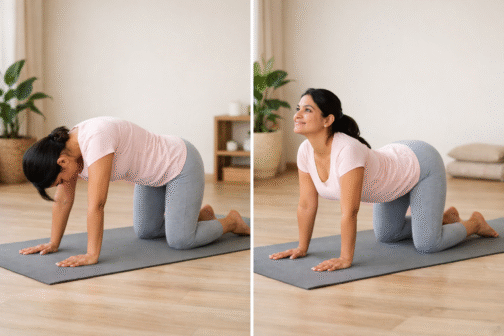
Marjaryasana–Bitilasana (Cat–Cow Pose)
This gentle movement helps stimulate circulation along the spine and neck. It supports relaxation and prepares the body for deeper breathing, which is helpful for thyroid balance.
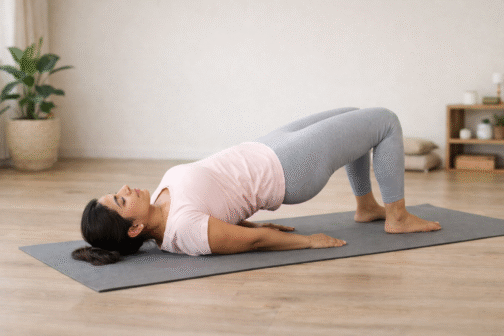
Setu Bandhasana (Bridge Pose)
Setu Bandhasana creates a unique therapeutic effect through gentle compression of the throat region. As the chin naturally moves slightly toward the chest, the thyroid area receives a soft, sustained pressure that acts like a subtle internal massage. This compression followed by release supports healthy stimulation of the gland.
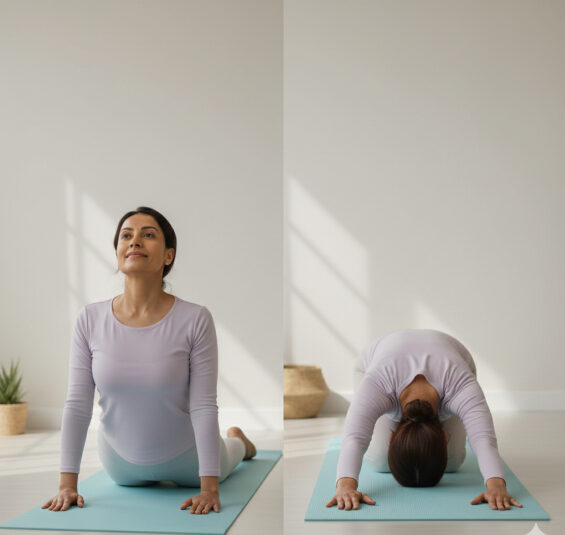
Bhujangasana (Cobra Pose)
Bhujangasana gently opens the front of the body, especially the chest and throat area where the thyroid gland is located. As the neck lengthens and the throat becomes exposed, this posture offers mild stimulation to the thyroid region through improved circulation and nerve activation.
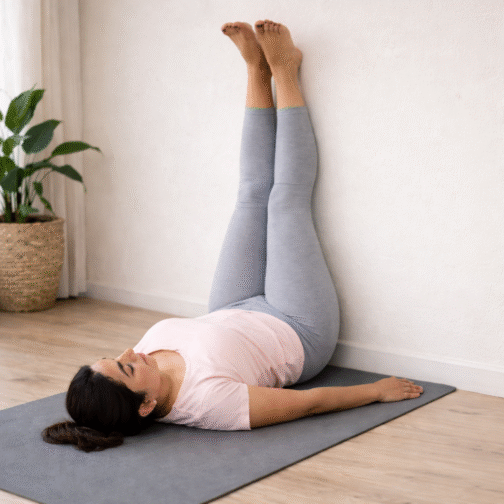
Viparita Karani (Legs Up the Wall Pose)
This restorative pose helps reduce stress and fatigue. Lowering stress is important for people practicing yoga for thyroid, as tension can affect hormonal balance.
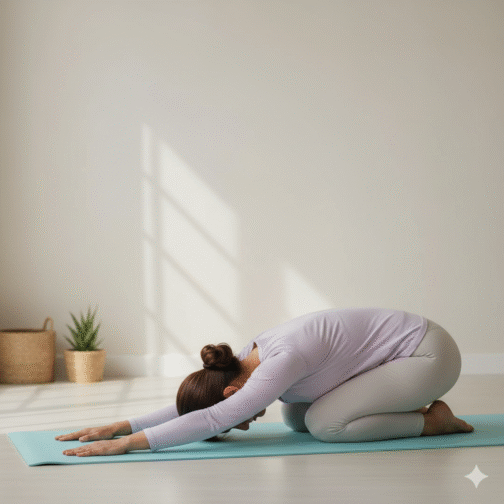
Balasana (Child’s Pose)
Child’s pose calms the nervous system and supports rest. It helps the body slow down, which is especially helpful for thyroid patients managing daily fatigue.
Marjaryasana–Bitilasana (Cat–Cow Pose)
This gentle movement helps stimulate circulation along the spine and neck. It supports relaxation and prepares the body for deeper breathing, which is helpful for thyroid balance.
Setu Bandhasana (Bridge Pose)
Setu Bandhasana creates a unique therapeutic effect through gentle compression of the throat region. As the chin naturally moves slightly toward the chest, the thyroid area receives a soft, sustained pressure that acts like a subtle internal massage. This compression followed by release supports healthy stimulation of the gland.
Bhujangasana (Cobra Pose)
Bhujangasana gently opens the front of the body, especially the chest and throat area where the thyroid gland is located. As the neck lengthens and the throat becomes exposed, this posture offers mild stimulation to the thyroid region through improved circulation and nerve activation.
Viparita Karani (Legs Up the Wall Pose)
This restorative pose helps reduce stress and fatigue. Lowering stress is important for people practicing yoga for thyroid, as tension can affect hormonal balance.
Balasana (Child’s Pose)
Child’s pose calms the nervous system and supports rest. It helps the body slow down, which is especially helpful for thyroid patients managing daily fatigue.
Marjaryasana–Bitilasana (Cat–Cow Pose)
This gentle movement helps stimulate circulation along the spine and neck. It supports relaxation and prepares the body for deeper breathing, which is helpful for thyroid balance.
Setu Bandhasana (Bridge Pose)
Setu Bandhasana creates a unique therapeutic effect through gentle compression of the throat region. As the chin naturally moves slightly toward the chest, the thyroid area receives a soft, sustained pressure that acts like a subtle internal massage. This compression followed by release supports healthy stimulation of the gland.
Bhujangasana (Cobra Pose)
Bhujangasana gently opens the front of the body, especially the chest and throat area where the thyroid gland is located. As the neck lengthens and the throat becomes exposed, this posture offers mild stimulation to the thyroid region through improved circulation and nerve activation.
Viparita Karani (Legs Up the Wall Pose)
This restorative pose helps reduce stress and fatigue. Lowering stress is important for people practicing yoga for thyroid, as tension can affect hormonal balance.
Balasana (Child’s Pose)
Child’s pose calms the nervous system and supports rest. It helps the body slow down, which is especially helpful for thyroid patients managing daily fatigue.
Marjaryasana–Bitilasana (Cat–Cow Pose)
This gentle movement helps stimulate circulation along the spine and neck. It supports relaxation and prepares the body for deeper breathing, which is helpful for thyroid balance.
Setu Bandhasana (Bridge Pose)
Setu Bandhasana creates a unique therapeutic effect through gentle compression of the throat region. As the chin naturally moves slightly toward the chest, the thyroid area receives a soft, sustained pressure that acts like a subtle internal massage. This compression followed by release supports healthy stimulation of the gland.
Bhujangasana (Cobra Pose)
Bhujangasana gently opens the front of the body, especially the chest and throat area where the thyroid gland is located. As the neck lengthens and the throat becomes exposed, this posture offers mild stimulation to the thyroid region through improved circulation and nerve activation.
Viparita Karani (Legs Up the Wall Pose)
This restorative pose helps reduce stress and fatigue. Lowering stress is important for people practicing yoga for thyroid, as tension can affect hormonal balance.
Balasana (Child’s Pose)
Child’s pose calms the nervous system and supports rest. It helps the body slow down, which is especially helpful for thyroid patients managing daily fatigue.
Marjaryasana–Bitilasana (Cat–Cow Pose)
This gentle movement helps stimulate circulation along the spine and neck. It supports relaxation and prepares the body for deeper breathing, which is helpful for thyroid balance.
Setu Bandhasana (Bridge Pose)
Setu Bandhasana creates a unique therapeutic effect through gentle compression of the throat region. As the chin naturally moves slightly toward the chest, the thyroid area receives a soft, sustained pressure that acts like a subtle internal massage. This compression followed by release supports healthy stimulation of the gland.
Bhujangasana (Cobra Pose)
Bhujangasana gently opens the front of the body, especially the chest and throat area where the thyroid gland is located. As the neck lengthens and the throat becomes exposed, this posture offers mild stimulation to the thyroid region through improved circulation and nerve activation.
Viparita Karani (Legs Up the Wall Pose)
This restorative pose helps reduce stress and fatigue. Lowering stress is important for people practicing yoga for thyroid, as tension can affect hormonal balance.
Balasana (Child’s Pose)
Child’s pose calms the nervous system and supports rest. It helps the body slow down, which is especially helpful for thyroid patients managing daily fatigue.
Marjaryasana–Bitilasana (Cat–Cow Pose)
This gentle movement helps stimulate circulation along the spine and neck. It supports relaxation and prepares the body for deeper breathing, which is helpful for thyroid balance.
Setu Bandhasana (Bridge Pose)
Setu Bandhasana creates a unique therapeutic effect through gentle compression of the throat region. As the chin naturally moves slightly toward the chest, the thyroid area receives a soft, sustained pressure that acts like a subtle internal massage. This compression followed by release supports healthy stimulation of the gland.
Bhujangasana (Cobra Pose)
Bhujangasana gently opens the front of the body, especially the chest and throat area where the thyroid gland is located. As the neck lengthens and the throat becomes exposed, this posture offers mild stimulation to the thyroid region through improved circulation and nerve activation.
Viparita Karani (Legs Up the Wall Pose)
This restorative pose helps reduce stress and fatigue. Lowering stress is important for people practicing yoga for thyroid, as tension can affect hormonal balance.
Balasana (Child’s Pose)
Child’s pose calms the nervous system and supports rest. It helps the body slow down, which is especially helpful for thyroid patients managing daily fatigue.
Marjaryasana–Bitilasana (Cat–Cow Pose)
This gentle movement helps stimulate circulation along the spine and neck. It supports relaxation and prepares the body for deeper breathing, which is helpful for thyroid balance.
Setu Bandhasana (Bridge Pose)
Setu Bandhasana creates a unique therapeutic effect through gentle compression of the throat region. As the chin naturally moves slightly toward the chest, the thyroid area receives a soft, sustained pressure that acts like a subtle internal massage. This compression followed by release supports healthy stimulation of the gland.
Bhujangasana (Cobra Pose)
Bhujangasana gently opens the front of the body, especially the chest and throat area where the thyroid gland is located. As the neck lengthens and the throat becomes exposed, this posture offers mild stimulation to the thyroid region through improved circulation and nerve activation.
Viparita Karani (Legs Up the Wall Pose)
This restorative pose helps reduce stress and fatigue. Lowering stress is important for people practicing yoga for thyroid, as tension can affect hormonal balance.
Balasana (Child’s Pose)
Child’s pose calms the nervous system and supports rest. It helps the body slow down, which is especially helpful for thyroid patients managing daily fatigue.
Marjaryasana–Bitilasana (Cat–Cow Pose)
This gentle movement helps stimulate circulation along the spine and neck. It supports relaxation and prepares the body for deeper breathing, which is helpful for thyroid balance.
Setu Bandhasana (Bridge Pose)
Setu Bandhasana creates a unique therapeutic effect through gentle compression of the throat region. As the chin naturally moves slightly toward the chest, the thyroid area receives a soft, sustained pressure that acts like a subtle internal massage. This compression followed by release supports healthy stimulation of the gland.
Bhujangasana (Cobra Pose)
Bhujangasana gently opens the front of the body, especially the chest and throat area where the thyroid gland is located. As the neck lengthens and the throat becomes exposed, this posture offers mild stimulation to the thyroid region through improved circulation and nerve activation.
Viparita Karani (Legs Up the Wall Pose)
This restorative pose helps reduce stress and fatigue. Lowering stress is important for people practicing yoga for thyroid, as tension can affect hormonal balance.
Balasana (Child’s Pose)
Child’s pose calms the nervous system and supports rest. It helps the body slow down, which is especially helpful for thyroid patients managing daily fatigue.
Marjaryasana–Bitilasana (Cat–Cow Pose)
This gentle movement helps stimulate circulation along the spine and neck. It supports relaxation and prepares the body for deeper breathing, which is helpful for thyroid balance.
Setu Bandhasana (Bridge Pose)
Setu Bandhasana creates a unique therapeutic effect through gentle compression of the throat region. As the chin naturally moves slightly toward the chest, the thyroid area receives a soft, sustained pressure that acts like a subtle internal massage. This compression followed by release supports healthy stimulation of the gland.
Bhujangasana (Cobra Pose)
Bhujangasana gently opens the front of the body, especially the chest and throat area where the thyroid gland is located. As the neck lengthens and the throat becomes exposed, this posture offers mild stimulation to the thyroid region through improved circulation and nerve activation.
Viparita Karani (Legs Up the Wall Pose)
This restorative pose helps reduce stress and fatigue. Lowering stress is important for people practicing yoga for thyroid, as tension can affect hormonal balance.
Balasana (Child’s Pose)
Child’s pose calms the nervous system and supports rest. It helps the body slow down, which is especially helpful for thyroid patients managing daily fatigue.
Marjaryasana–Bitilasana (Cat–Cow Pose)
This gentle movement helps stimulate circulation along the spine and neck. It supports relaxation and prepares the body for deeper breathing, which is helpful for thyroid balance.
Setu Bandhasana (Bridge Pose)
Setu Bandhasana creates a unique therapeutic effect through gentle compression of the throat region. As the chin naturally moves slightly toward the chest, the thyroid area receives a soft, sustained pressure that acts like a subtle internal massage. This compression followed by release supports healthy stimulation of the gland.
Bhujangasana (Cobra Pose)
Bhujangasana gently opens the front of the body, especially the chest and throat area where the thyroid gland is located. As the neck lengthens and the throat becomes exposed, this posture offers mild stimulation to the thyroid region through improved circulation and nerve activation.
Daily Lifestyle Foundations That Support Thyroid Health
Yoga therapy for thyroid is incomplete without supportive daily habits. A consistent routine (dinacharya), adequate sleep, and regular exposure to natural sunlight all play an important role in hormonal regulation.
Gut-friendly eating and reduced reliance on stimulants help stabilize digestion and energy levels, which also supports those incorporating yoga for weight loss as part of a balanced routine.
These factors directly influence how thyroid hormones are processed in the body.
Equally important is emotional unloading and creative expression. When mental and emotional stress is released, the nervous system softens, creating space for healing.

Understanding Thyroid Hormones and the HPT Axis
The thyroid system works through a complex loop called the HPT axis, the connection between the hypothalamus, pituitary gland, and thyroid. This means thyroid health is not limited to the neck, but involves the brain–gland–body relationship.
The thyroid produces T4 (inactive hormone) and T3 (active hormone), while TSH from the pituitary acts as the control signal. Proper balance depends on smooth communication between all three.
Yoga supports this axis by calming the nervous system, improving circulation, and supporting the body’s natural regulatory rhythms.

Encouraging Neck and Throat Awareness
The thyroid gland is located in the throat area, making awareness of this region important. Yoga encourages gentle stretching and relaxation around the throat.
Slow movements and mindful breathing help release tension. This supports yoga poses for thyroid without forcing stimulation.
With regular practice, awareness improves naturally. This helps yoga for thyroid work as a supportive and calming routine rather than an aggressive approach.

Building Stability Without Overstimulation
People with thyroid conditions often feel sensitive to intense exercise. Yoga focuses on controlled movements that support stability instead of pushing the body.
This approach helps the body feel grounded and calm. It makes yoga for hypothyroidism and yoga for hyperthyroidism suitable for long-term practice.
When the body feels stable, consistency becomes easier. This allows yoga asanas for thyroid to support balance over time.
Other Hormones That Strongly Influence Thyroid Function
Thyroid balance is deeply affected by other hormones in the body. Cortisol, the stress hormone, can block the conversion of T4 to T3 when chronically elevated. One of yoga’s greatest benefits is its ability to lower cortisol naturally.
Insulin balance also plays a major role, as insulin resistance can slow metabolism and is often closely linked with hypothyroidism and conditions like PCOS, sometimes contributing to weight-related concerns that may be supported through yoga for weight gain. Since both PCOS and thyroid imbalance share hormonal and metabolic connections, supporting insulin sensitivity through mindful movement and breathwork becomes especially important.
If you are managing both thyroid imbalance and PCOS, gentle practices like yoga for PCOS can offer added support by reducing stress and helping restore hormonal balance over time.
In women, estrogen and progesterone balance, along with pituitary hormones like prolactin and growth hormone, influence thyroid regulation. Yoga practices that include relaxation, breathwork, and gentle inversions help harmonize this system.

How Yoga Supports Thyroid Health: A Yogic and Scientific View
Yoga supports thyroid health through multiple interconnected mechanisms. Gentle stretching, compression, and improved blood flow help nourish the gland and support efficient hormone activity.
More importantly, yoga regulates the autonomic nervous system, shifting the body into a parasympathetic, healing state. This stabilizes the hypothalamus and pituitary — where true hormonal correction begins.
At a subtler level, yoga works through prana and chakra awareness. By clearing stagnation in the throat center, yoga supports rhythm, regulation, and internal purification — essential qualities for thyroid balance.

How Yoga Supports Thyroid Health: A Yogic and Scientific View
Yoga supports thyroid health through multiple interconnected mechanisms. Gentle stretching, compression, and improved blood flow help nourish the gland and support efficient hormone activity.
More importantly, yoga regulates the autonomic nervous system, shifting the body into a parasympathetic, healing state. This stabilizes the hypothalamus and pituitary — where true hormonal correction begins.
At a subtler level, yoga works through prana and chakra awareness. By clearing stagnation in the throat center, yoga supports rhythm, regulation, and internal purification — essential qualities for thyroid balance.

Thyroid-Focused Yoga with Yogain Wellness App
Managing thyroid health can feel confusing without guidance. Many people are unsure which movements are safe or helpful. Guided sessions remove that uncertainty.
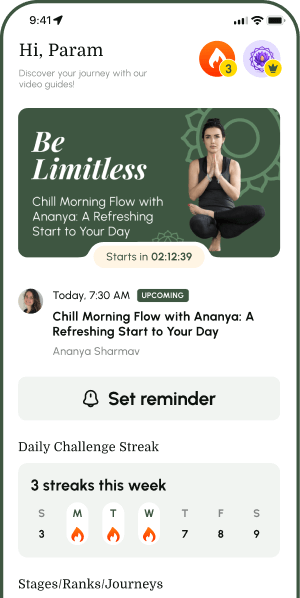
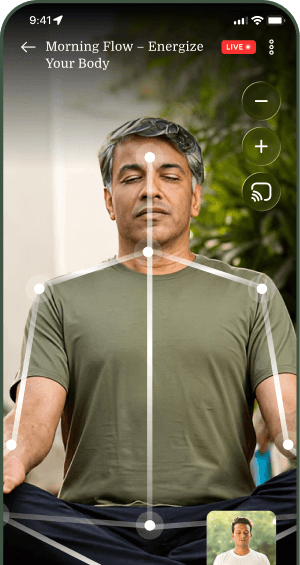
The Yogain Wellness app offers structured routines focused on calm movement, stress reduction, and consistency. These sessions support yoga for thyroid patients in a safe and approachable way.
Clear instructions help you move gently and confidently. This makes yoga poses for thyroid easier to follow, even on low-energy days.
With guided support, building a daily practice becomes simpler. Over time, this consistency helps support balance and long-term thyroid care.




Is Yoga for Thyroid Right for You?
Yoga for thyroid is suitable for people experiencing symptoms like fatigue, stress, or hormonal imbalance. It offers gentle support without putting pressure on the body.
It is helpful for individuals managing long-term thyroid conditions who want a calming and supportive routine. Practicing yoga for thyroid encourages balance rather than force.
People with hypothyroidism or hyperthyroidism may also benefit from slow and mindful movement. This makes yoga for hypothyroidism and yoga for hyperthyroidism suitable for ongoing practice.
Anyone looking to support thyroid health alongside medical advice can benefit from this gentle approach.


Safety Information
If you are dealing with severe pain, recent injuries, disc issues, or other medical concerns, it is important to speak with a healthcare professional before starting yoga. Movements should stay gentle and controlled, pain should not be pushed through.
This program is meant for learning and general support only. It does not replace medical treatment or professional care when that is required.
Frequently Asked Questions
1. Can yoga help manage thyroid problems?
Yes, yoga can support thyroid health by reducing stress and improving overall balance. Regular practice of yoga for thyroid helps calm the nervous system, which plays an important role in hormone regulation.
2. Is yoga suitable for people with hypothyroidism?
Yes, gentle yoga can be helpful for people with low thyroid function. Practicing yoga for hypothyroidism supports energy levels and relaxation without putting stress on the body.
3. Can people with hyperthyroidism practice yoga safely?
Yes, slow and calming practices are suitable. Yoga for hyperthyroidism focuses on relaxation and steady breathing rather than intense or fast movements.
4. Which yoga poses are best for thyroid support?
Poses that gently stretch the neck and support relaxation are commonly recommended. These are often included in yoga poses for thyroid routines designed for regular practice.
5. How often should I practice yoga for thyroid health?
Practicing three to five times a week is usually enough. Consistency matters more than intensity when following yoga for thyroid routines.

A Gentle Path to Thyroid Balance with Yogain Wellness
Supporting thyroid health takes time and patience. A gentle and consistent approach helps the body find balance without added pressure.
With regular practice, yoga for thyroid becomes a calming part of your daily routine. Small, steady steps often lead to better long-term results.
At Yogain Wellness, guided sessions help you move safely and stay consistent. Over time, best yoga for thyroid practices support overall wellbeing and balance.