
Yoga for Posture: Improve Alignment, Reduce Pain & Stand Taller


Certified by the Ministry of AYUSH and Yoga Alliance USA.


Over 1000 people have practiced with us.

Many see noticeable pain reduction within a few weeks.
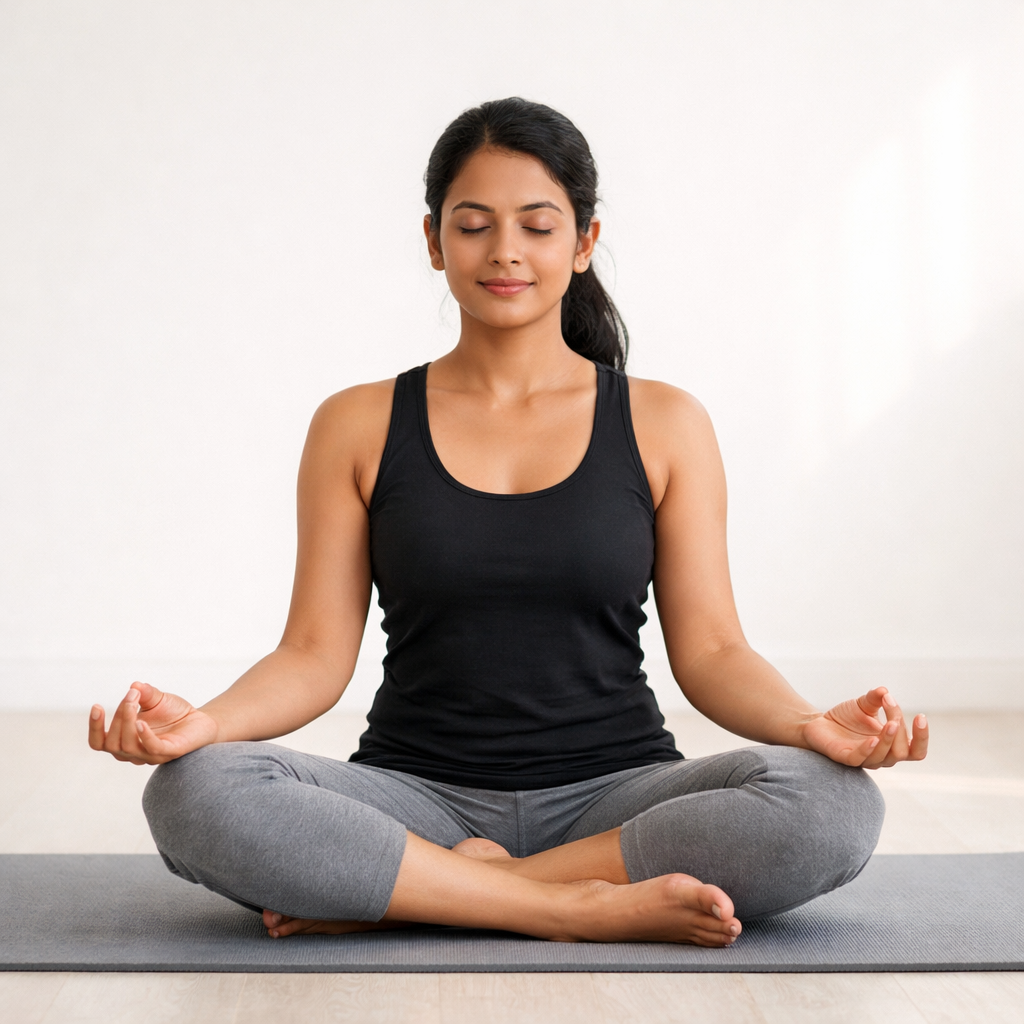
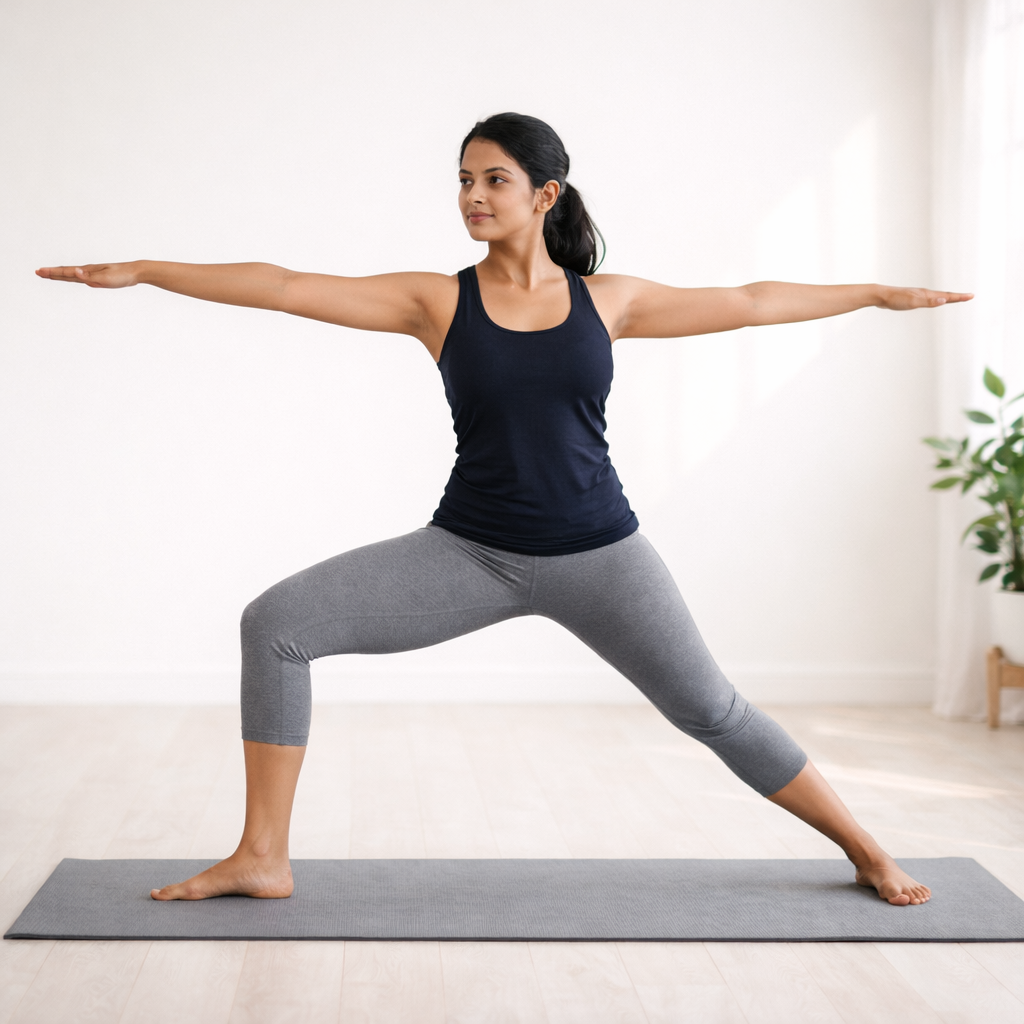
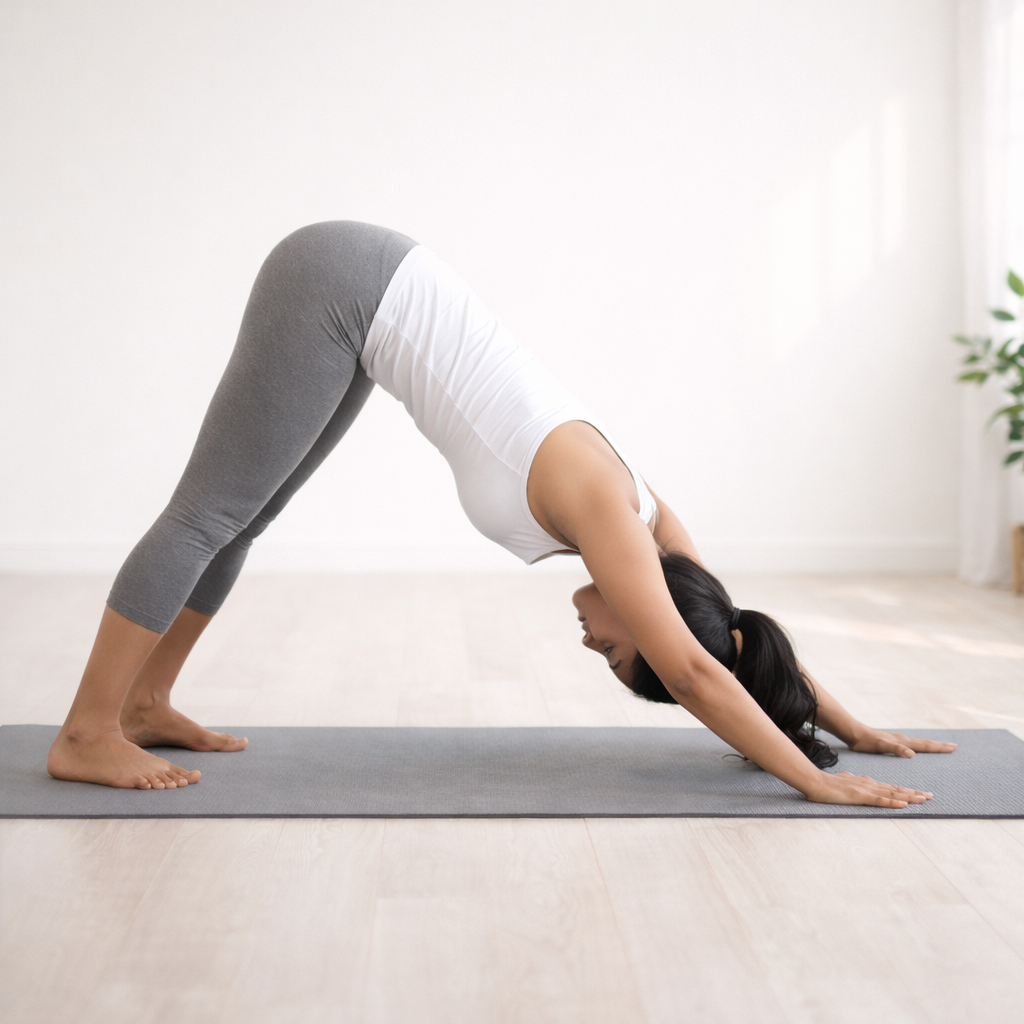
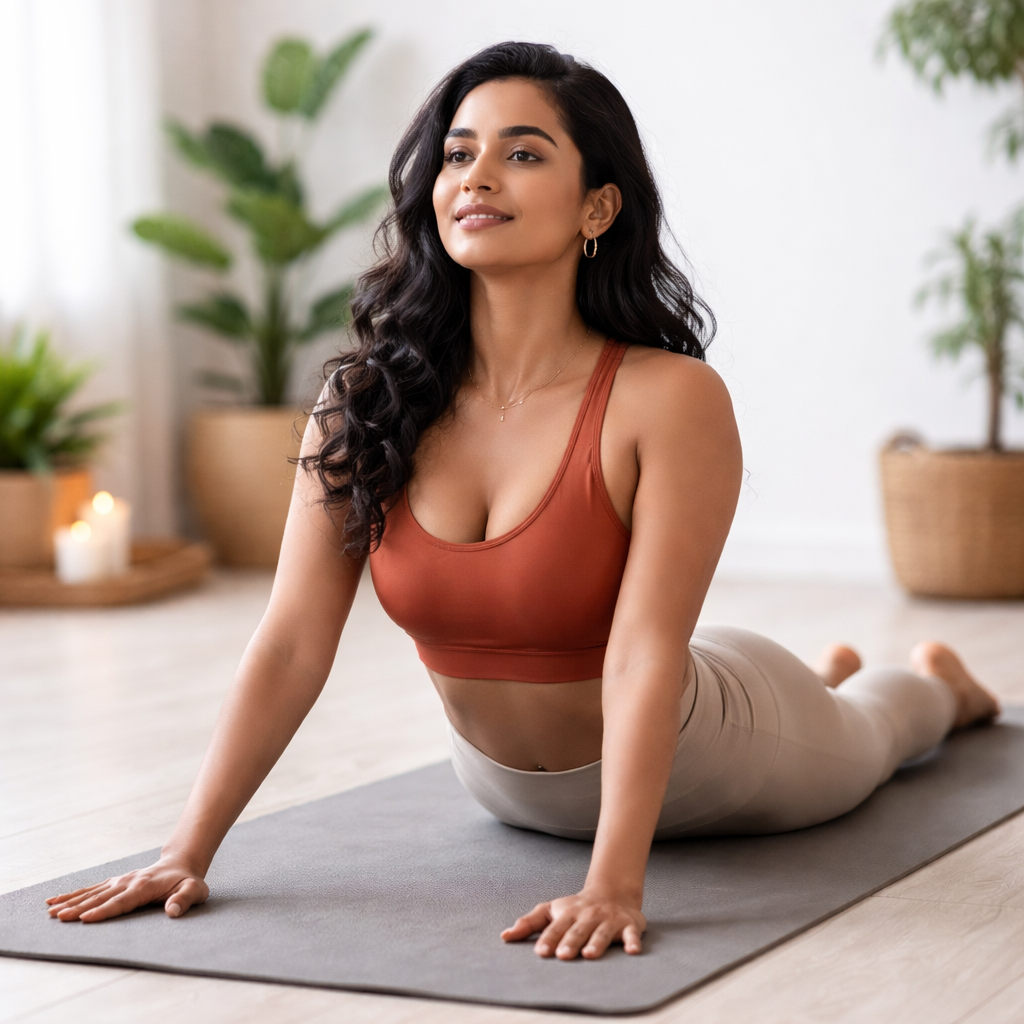
Posture is often reduced to one instruction: stand straight. But posture is not about stiffness. It is about balance. It is about how your body organizes itself against gravity every single day.
If you are exploring yoga for posture, you are likely not just trying to look taller. You may be dealing with neck tension, rounded shoulders, back discomfort, or fatigue from long hours at a desk.
Yoga approaches posture correction differently. Instead of forcing the body into position, it restores alignment by strengthening what is weak, releasing what is tight, and calming what is stressed.
Why Posture Is More Than Just Standing Straight
Your posture reflects your habits, stress levels, breathing patterns, and emotional state.
Long hours of sitting can create rounded shoulders and forward head posture. Chronic stress can cause the chest to collapse and the upper back to stiffen. Fatigue often shows up as slouching without you even noticing.
Poor posture is rarely laziness. It is adaptation.
The body adapts to repeated positions and emotional patterns. Over time, these adaptations can create muscle imbalance and discomfort.
This is why posture correction requires awareness, not force.
The Science of Spinal Alignment and Musculoskeletal Balance
Healthy posture depends on spinal alignment and musculoskeletal balance.
Your spine has natural curves that help absorb shock and distribute weight. When these curves are exaggerated or flattened due to habit, strain develops.
Key contributors to posture issues include:
- Weakpostural musclesin the upper back and core
• Tight chest and hip flexor muscles
• Reduced thoracic spine mobility
• Imbalanced muscle activation patterns
When the deeper stabilizing muscles are underactive and surface muscles overcompensate, discomfort increases.
Yoga addresses posture as a full body system. It improves alignment gradually while building strength and mobility in a coordinated way.
Stress, Breath, and the Collapsing Chest Pattern
One of the most overlooked posture influences is stress.
When you are anxious or overwhelmed, your breathing becomes shallow. The shoulders lift. The chest tightens. The neck moves forward.
Over time, this pattern reduces thoracic spine mobility and limits diaphragm movement.
Breath and posture are directly connected.
When breathing becomes deeper and more rhythmic, the diaphragm engages properly. This supports core stability and reduces excess tension in the neck and shoulders.
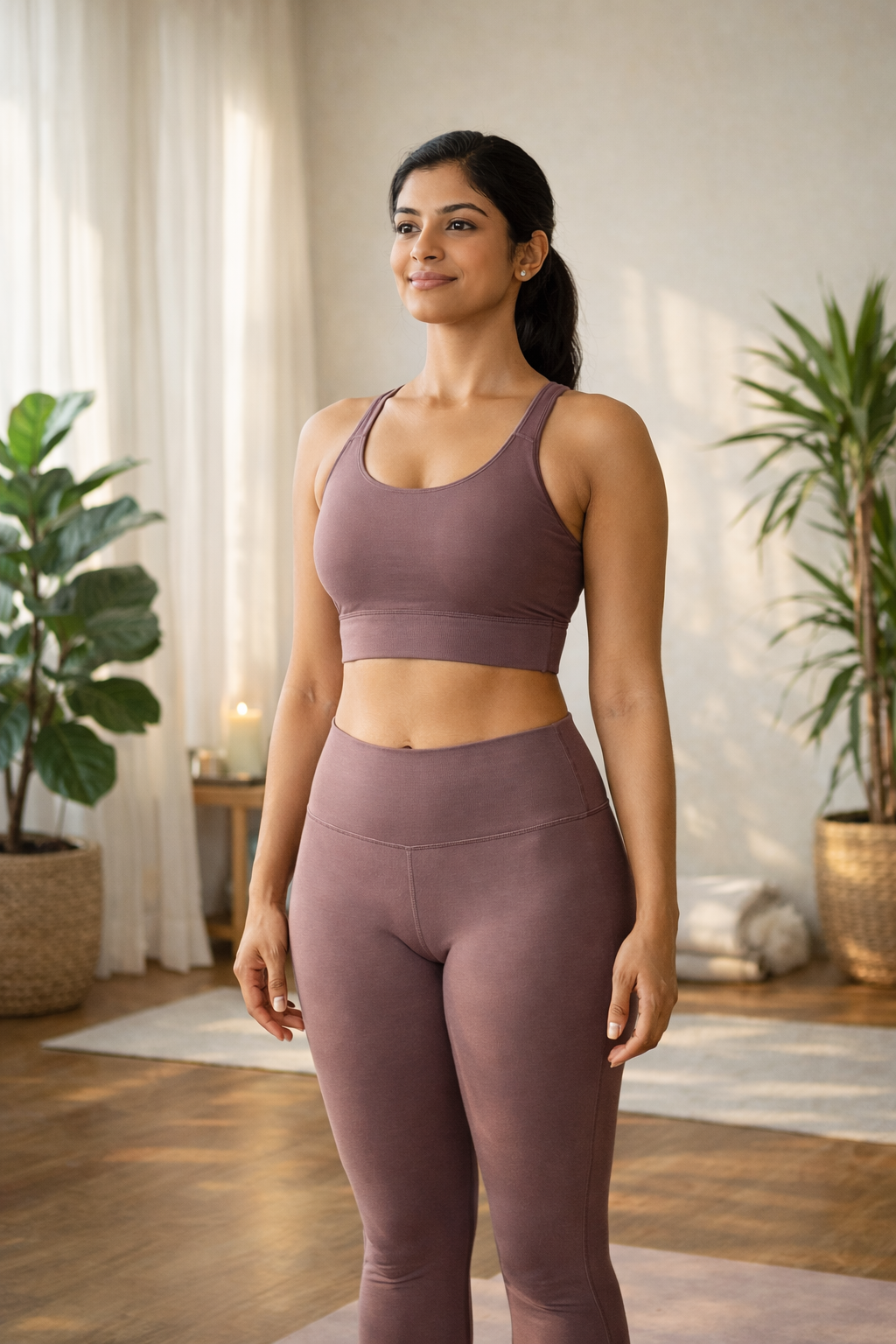
Yoga works at this intersection. By retraining breath patterns, it indirectly improves posture.
How Yoga Supports Posture Correction Naturally
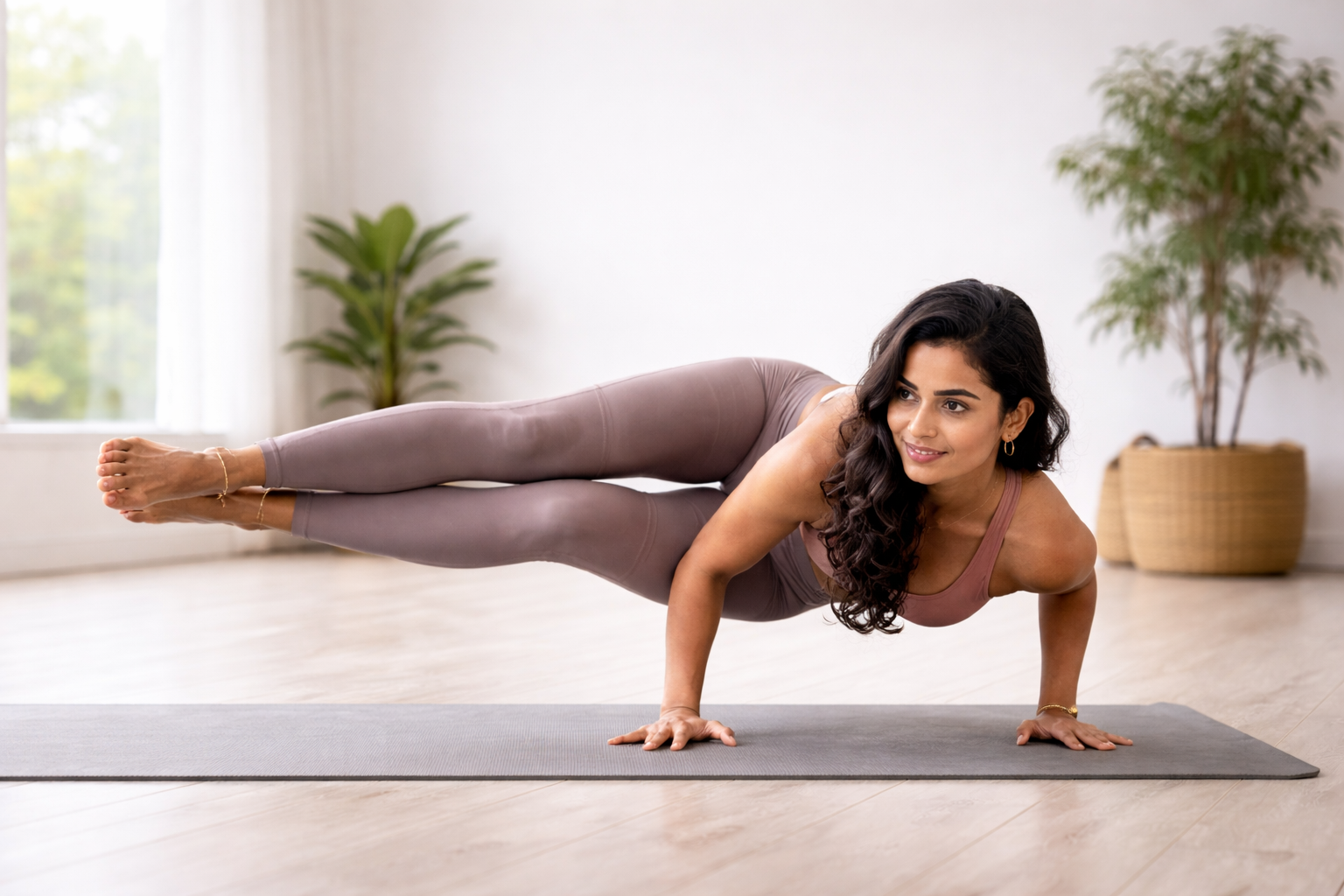
Yoga to improve posture focuses on awareness before correction.
Instead of forcing your shoulders back, yoga helps you feel where imbalance exists. It increases body alignment awareness so that small adjustments become natural.
Through slow strengthening and mobility work, yoga:
- Activates underused postural muscles
• Releases tight chest and hip muscles
• Improves spinal coordination
• Reduces stress driven tension
This creates sustainable change.
Because the nervous system also influences posture, calming the system helps the body hold itself with less effort.
Best Yoga Poses for Posture Correction
Here are some of the Best yoga poses for posture that support alignment safely and effectively.
Important Note:
Move slowly, listen to your body, and never force a posture. If you have ongoing medical conditions or injuries, professional guidance is recommended before starting a new yoga practice.
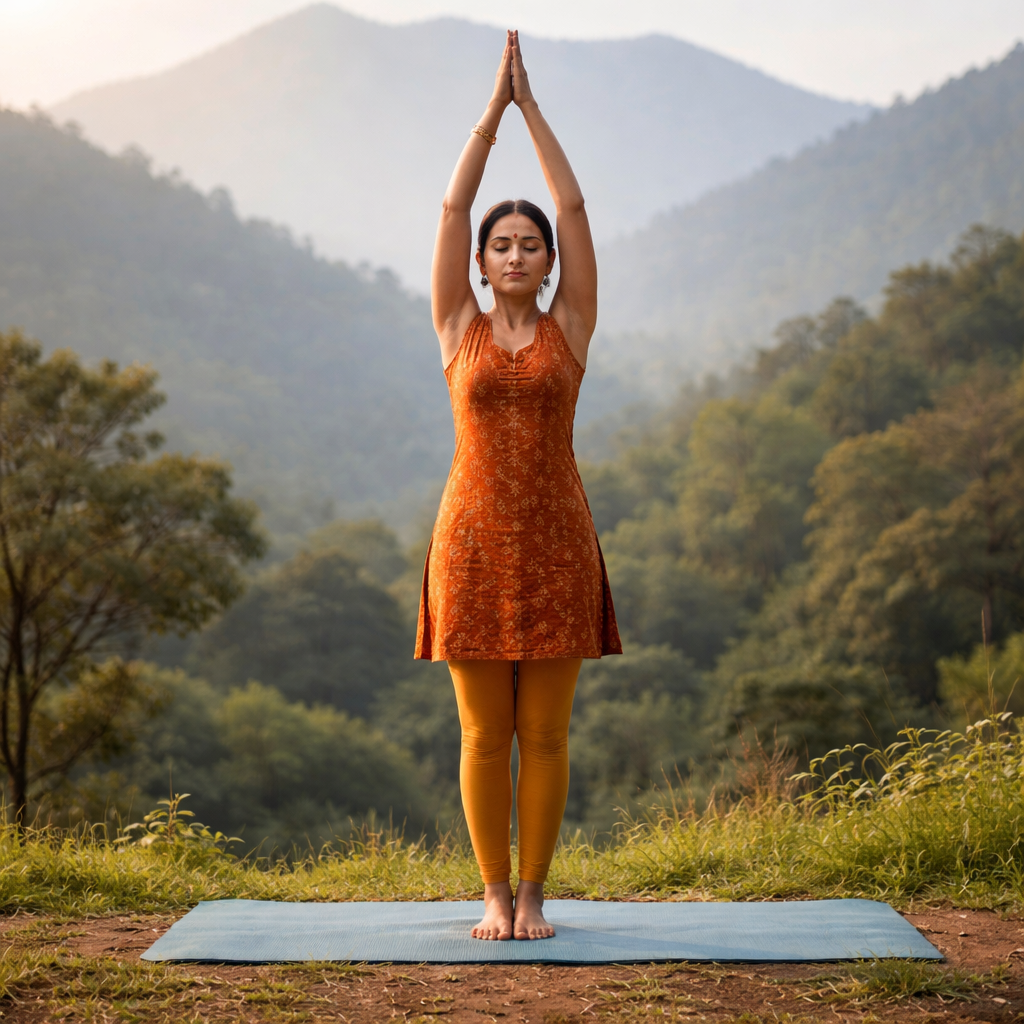
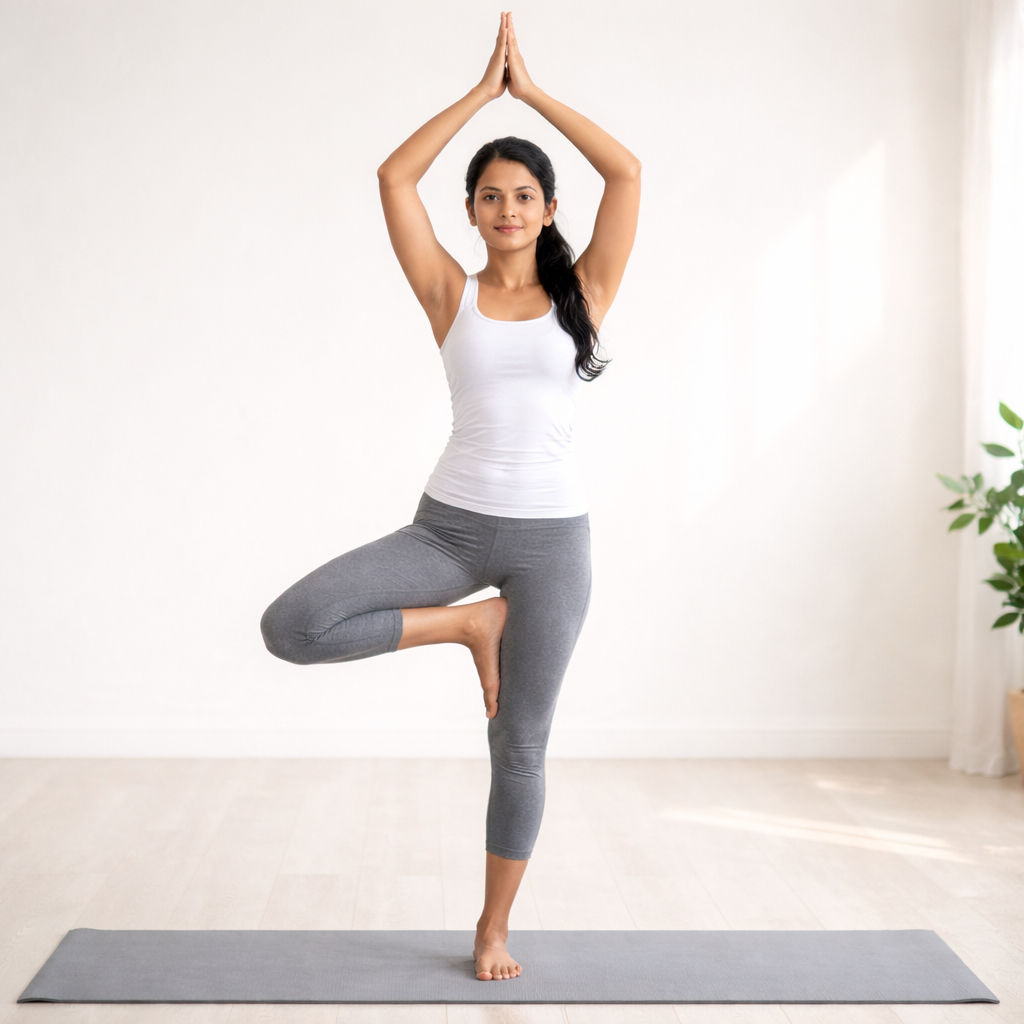
Mountain Pose
This simple standing posture builds awareness of weight distribution and spinal stacking. It strengthens alignment from feet to crown.
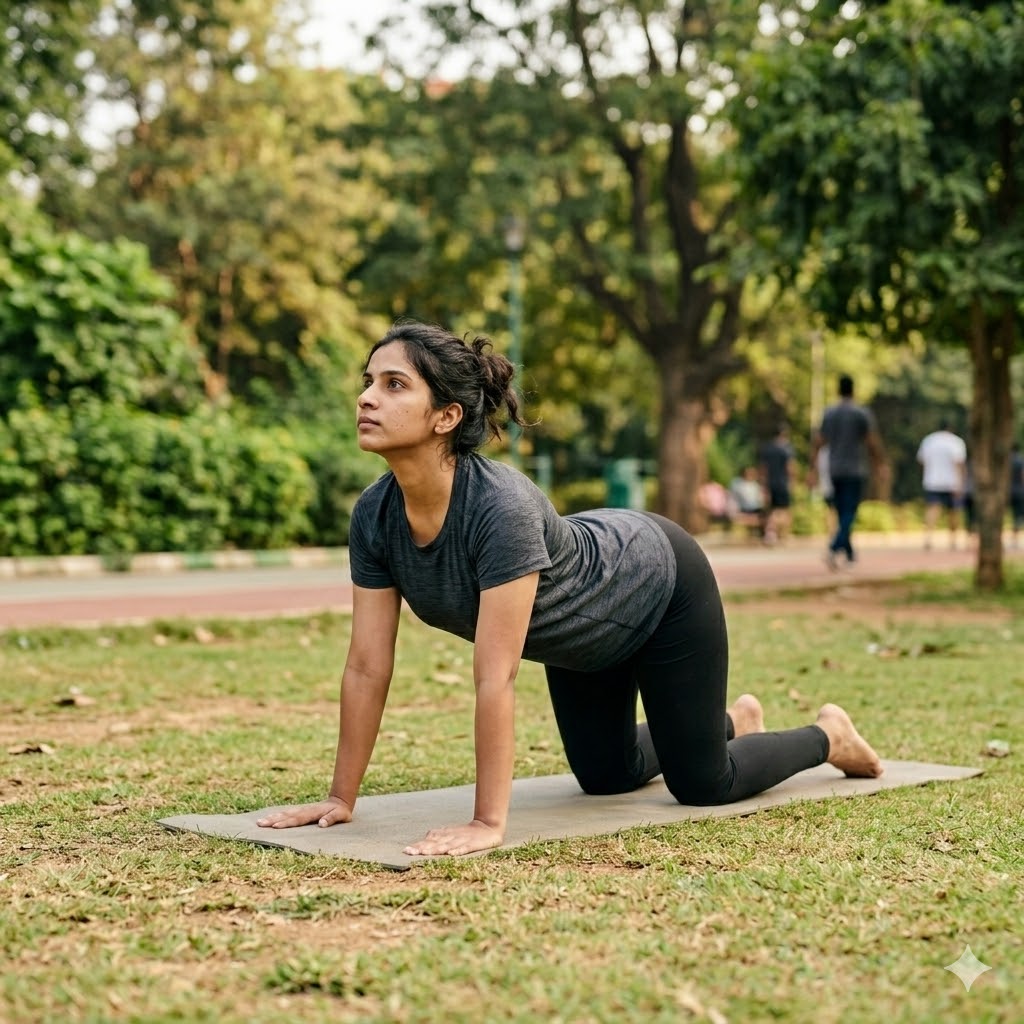
Cat Cow
Slow spinal movement improves thoracic spine mobility and teaches coordination between breath and motion.
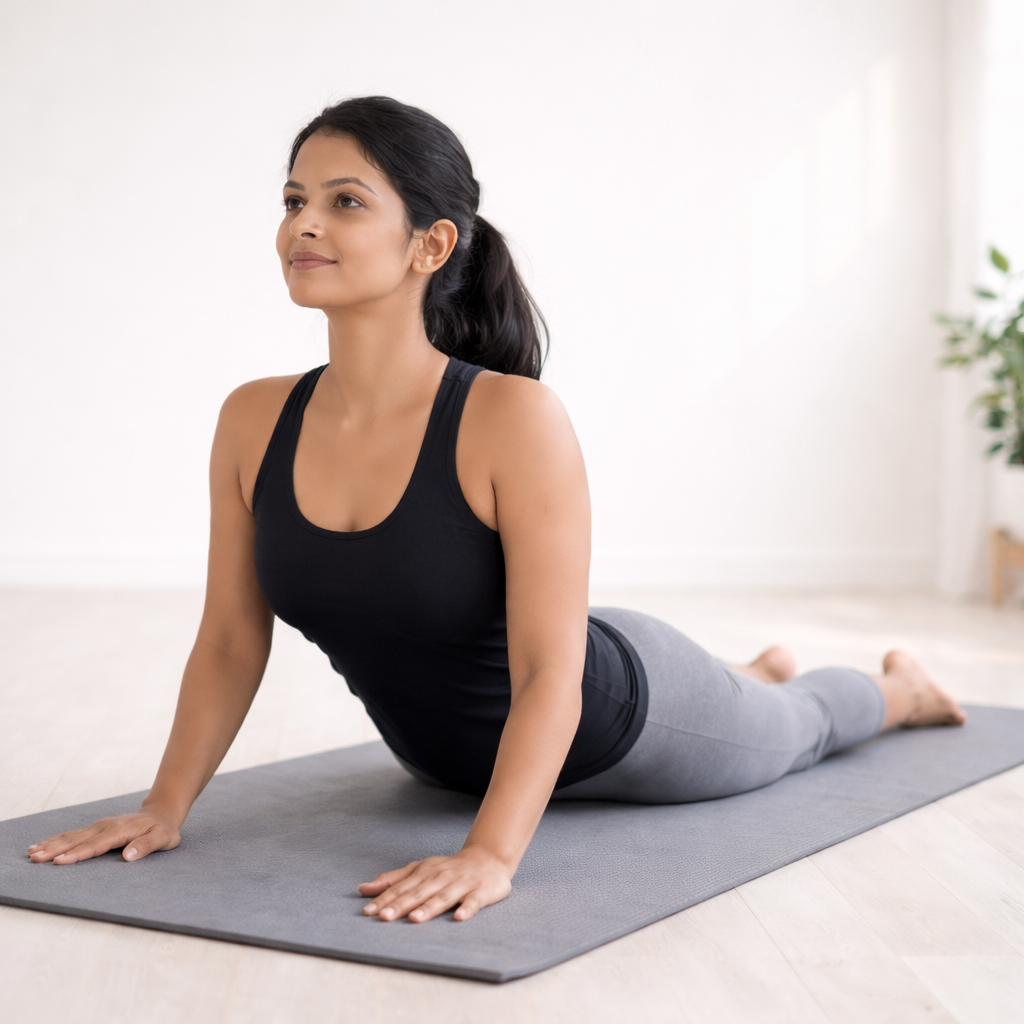
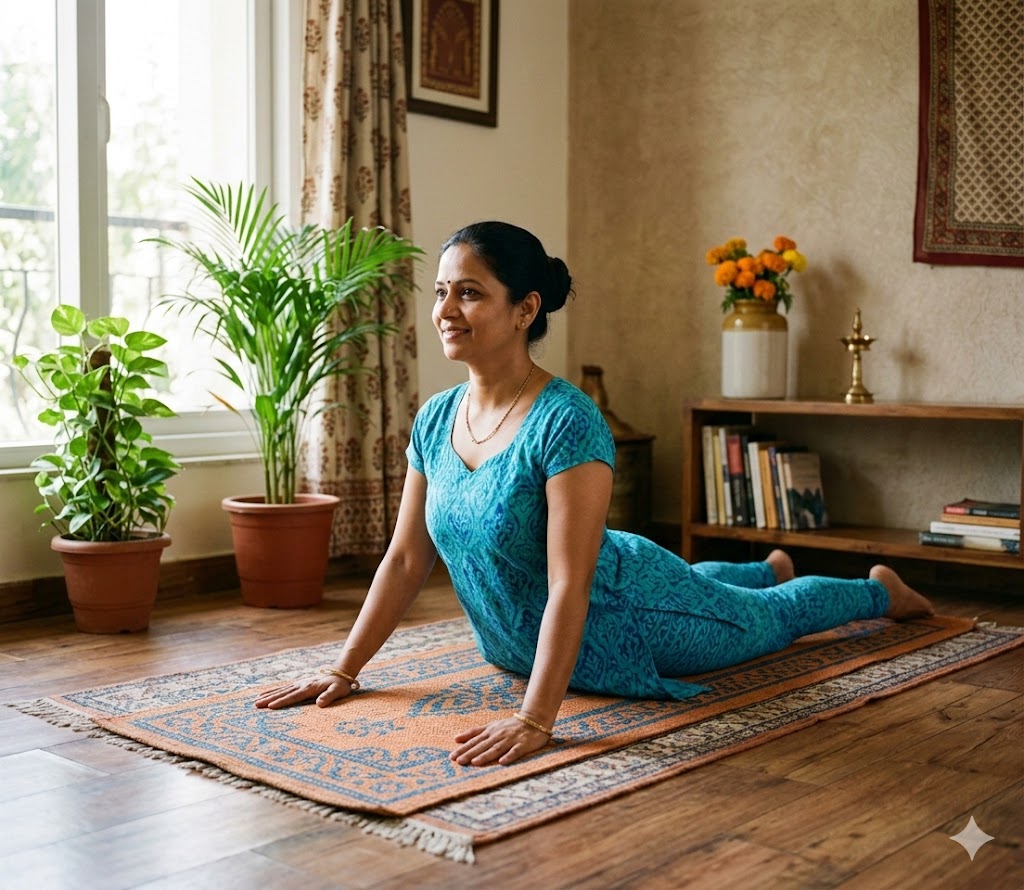
Cobra Pose
This gentle backbend opens the chest and counters rounded shoulders. It activates upper back muscles that support posture.
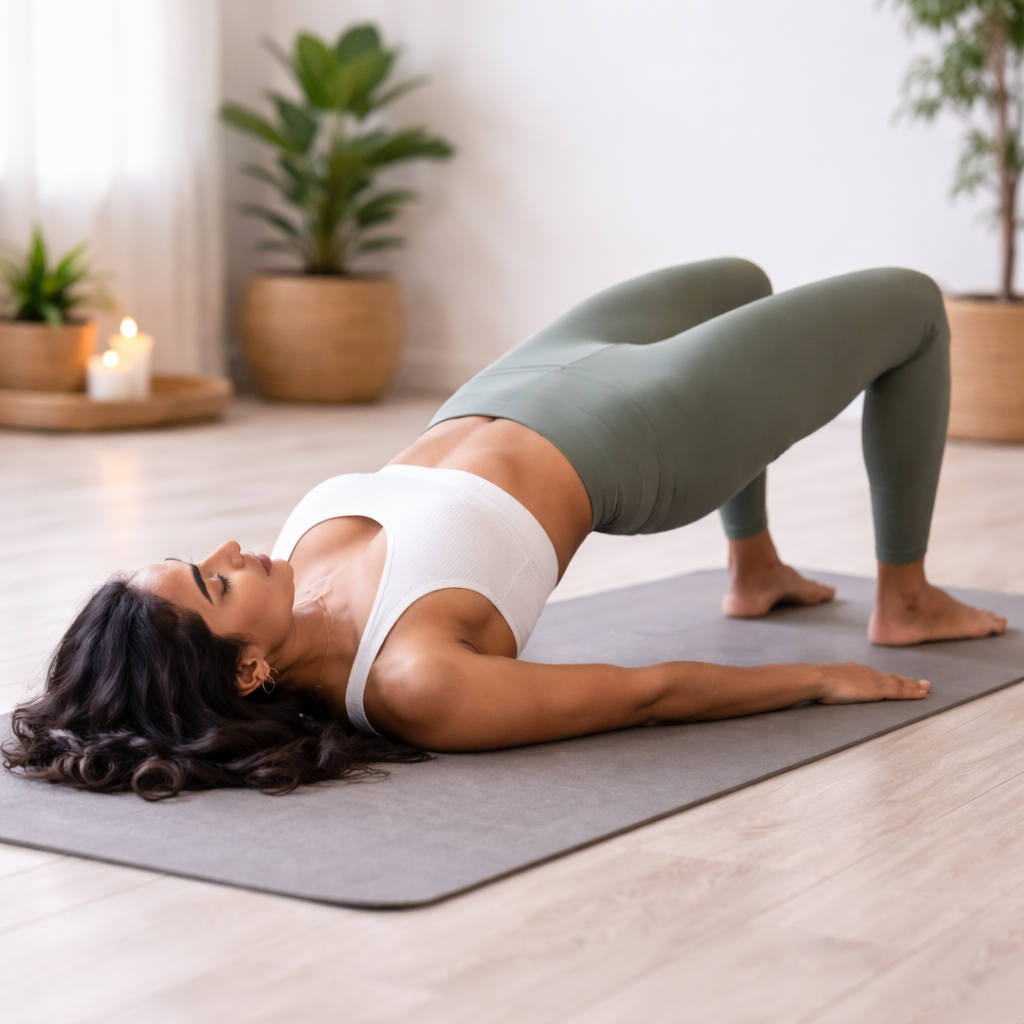
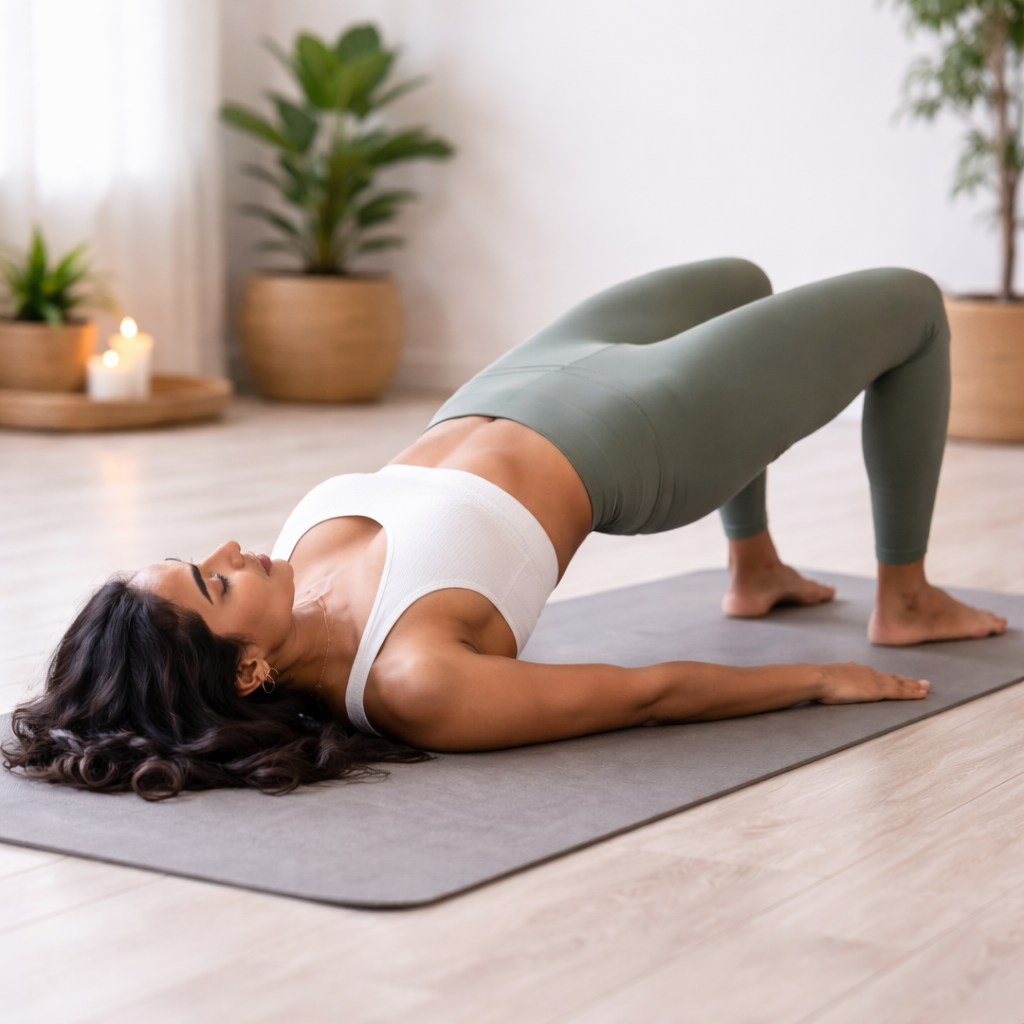
Bridge Pose
Bridge strengthens the posterior chain including glutes and lower back muscles, supporting upright posture.
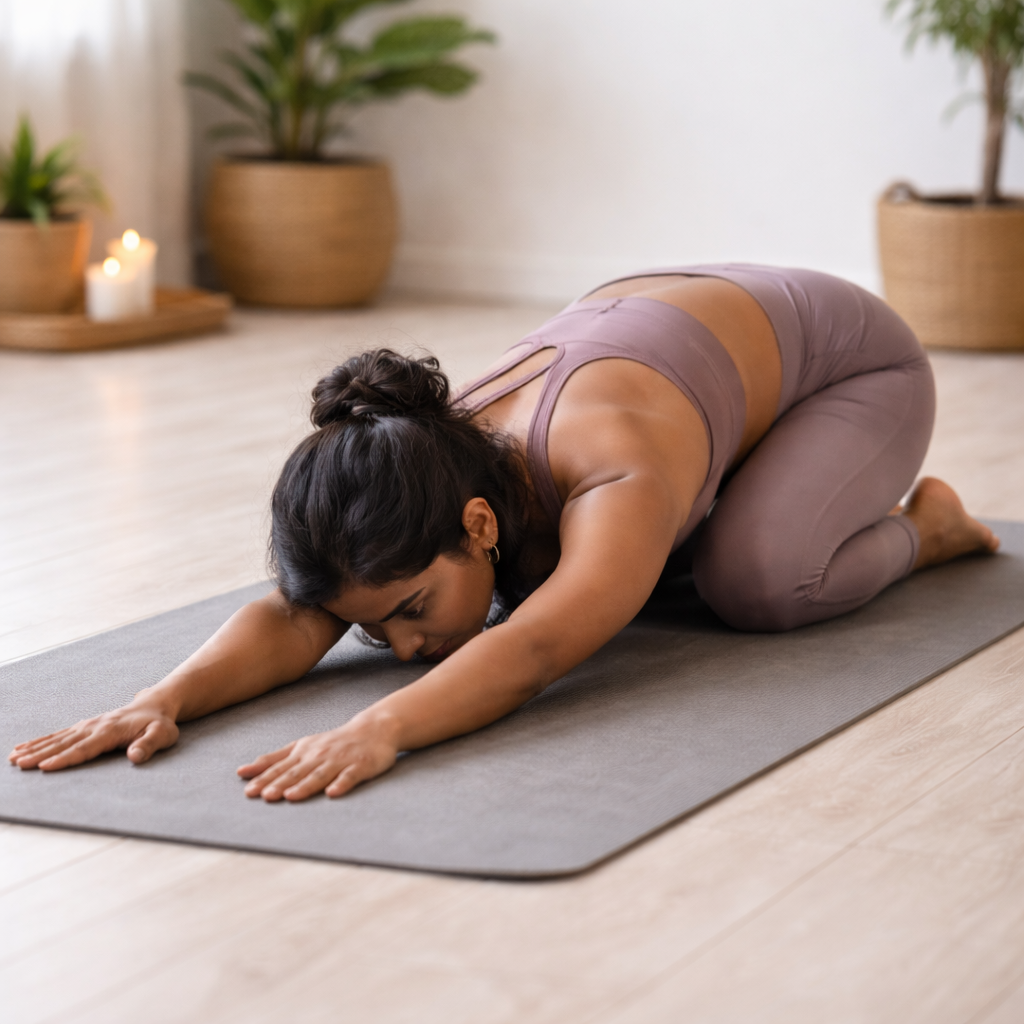
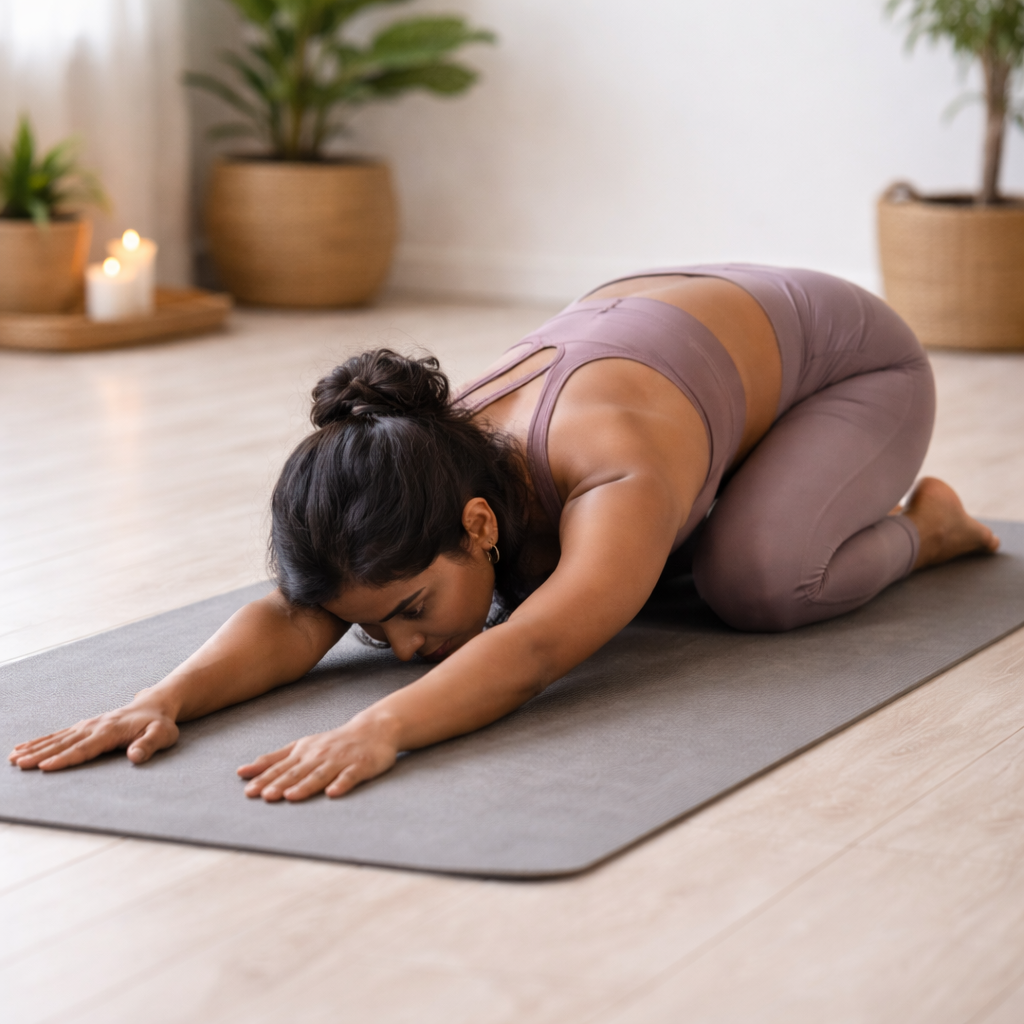
Child’s Pose
This resting posture allows reset and release between strengthening sequences.
These poses create both strength and mobility, which are essential for posture correction.
Mountain Pose
This simple standing posture builds awareness of weight distribution and spinal stacking. It strengthens alignment from feet to crown.
Cat Cow
Slow spinal movement improves thoracic spine mobility and teaches coordination between breath and motion.
Cobra Pose
This gentle backbend opens the chest and counters rounded shoulders. It activates upper back muscles that support posture.
Bridge Pose
Bridge strengthens the posterior chain including glutes and lower back muscles, supporting upright posture.
Child’s Pose
This resting posture allows reset and release between strengthening sequences.
These poses create both strength and mobility, which are essential for posture correction.
Mountain Pose
This simple standing posture builds awareness of weight distribution and spinal stacking. It strengthens alignment from feet to crown.
Cat Cow
Slow spinal movement improves thoracic spine mobility and teaches coordination between breath and motion.
Cobra Pose
This gentle backbend opens the chest and counters rounded shoulders. It activates upper back muscles that support posture.
Bridge Pose
Bridge strengthens the posterior chain including glutes and lower back muscles, supporting upright posture.
Child’s Pose
This resting posture allows reset and release between strengthening sequences.
These poses create both strength and mobility, which are essential for posture correction.
Mountain Pose
This simple standing posture builds awareness of weight distribution and spinal stacking. It strengthens alignment from feet to crown.
Cat Cow
Slow spinal movement improves thoracic spine mobility and teaches coordination between breath and motion.
Cobra Pose
This gentle backbend opens the chest and counters rounded shoulders. It activates upper back muscles that support posture.
Bridge Pose
Bridge strengthens the posterior chain including glutes and lower back muscles, supporting upright posture.
Child’s Pose
This resting posture allows reset and release between strengthening sequences.
These poses create both strength and mobility, which are essential for posture correction.
Mountain Pose
This simple standing posture builds awareness of weight distribution and spinal stacking. It strengthens alignment from feet to crown.
Cat Cow
Slow spinal movement improves thoracic spine mobility and teaches coordination between breath and motion.
Cobra Pose
This gentle backbend opens the chest and counters rounded shoulders. It activates upper back muscles that support posture.
Bridge Pose
Bridge strengthens the posterior chain including glutes and lower back muscles, supporting upright posture.
Child’s Pose
This resting posture allows reset and release between strengthening sequences.
These poses create both strength and mobility, which are essential for posture correction.
Mountain Pose
This simple standing posture builds awareness of weight distribution and spinal stacking. It strengthens alignment from feet to crown.
Cat Cow
Slow spinal movement improves thoracic spine mobility and teaches coordination between breath and motion.
Cobra Pose
This gentle backbend opens the chest and counters rounded shoulders. It activates upper back muscles that support posture.
Bridge Pose
Bridge strengthens the posterior chain including glutes and lower back muscles, supporting upright posture.
Child’s Pose
This resting posture allows reset and release between strengthening sequences.
These poses create both strength and mobility, which are essential for posture correction.
Mountain Pose
This simple standing posture builds awareness of weight distribution and spinal stacking. It strengthens alignment from feet to crown.
Cat Cow
Slow spinal movement improves thoracic spine mobility and teaches coordination between breath and motion.
Cobra Pose
This gentle backbend opens the chest and counters rounded shoulders. It activates upper back muscles that support posture.
Bridge Pose
Bridge strengthens the posterior chain including glutes and lower back muscles, supporting upright posture.
Child’s Pose
This resting posture allows reset and release between strengthening sequences.
These poses create both strength and mobility, which are essential for posture correction.
Mountain Pose
This simple standing posture builds awareness of weight distribution and spinal stacking. It strengthens alignment from feet to crown.
Cat Cow
Slow spinal movement improves thoracic spine mobility and teaches coordination between breath and motion.
Cobra Pose
This gentle backbend opens the chest and counters rounded shoulders. It activates upper back muscles that support posture.
Bridge Pose
Bridge strengthens the posterior chain including glutes and lower back muscles, supporting upright posture.
Child’s Pose
This resting posture allows reset and release between strengthening sequences.
These poses create both strength and mobility, which are essential for posture correction.
Mountain Pose
This simple standing posture builds awareness of weight distribution and spinal stacking. It strengthens alignment from feet to crown.
Cat Cow
Slow spinal movement improves thoracic spine mobility and teaches coordination between breath and motion.
Cobra Pose
This gentle backbend opens the chest and counters rounded shoulders. It activates upper back muscles that support posture.
Bridge Pose
Bridge strengthens the posterior chain including glutes and lower back muscles, supporting upright posture.
Child’s Pose
This resting posture allows reset and release between strengthening sequences.
These poses create both strength and mobility, which are essential for posture correction.
Mountain Pose
This simple standing posture builds awareness of weight distribution and spinal stacking. It strengthens alignment from feet to crown.
Cat Cow
Slow spinal movement improves thoracic spine mobility and teaches coordination between breath and motion.
Cobra Pose
This gentle backbend opens the chest and counters rounded shoulders. It activates upper back muscles that support posture.
Posture Improvement Exercises You Can Do Daily
Alongside yoga sessions, simple Posture improvement exercises can reinforce alignment throughout the day.
Wall Alignment Check
Stand with back against a wall. Notice head, shoulders, and hips contact.
Chin Tucks
Gently draw chin backward to reduce forward head posture.
Shoulder Blade Squeeze
Draw shoulder blades together without lifting shoulders upward.
Breath Expansion
Place hands on ribs and practice deep lateral breathing.
These small daily practices build awareness and counter repetitive desk positions.
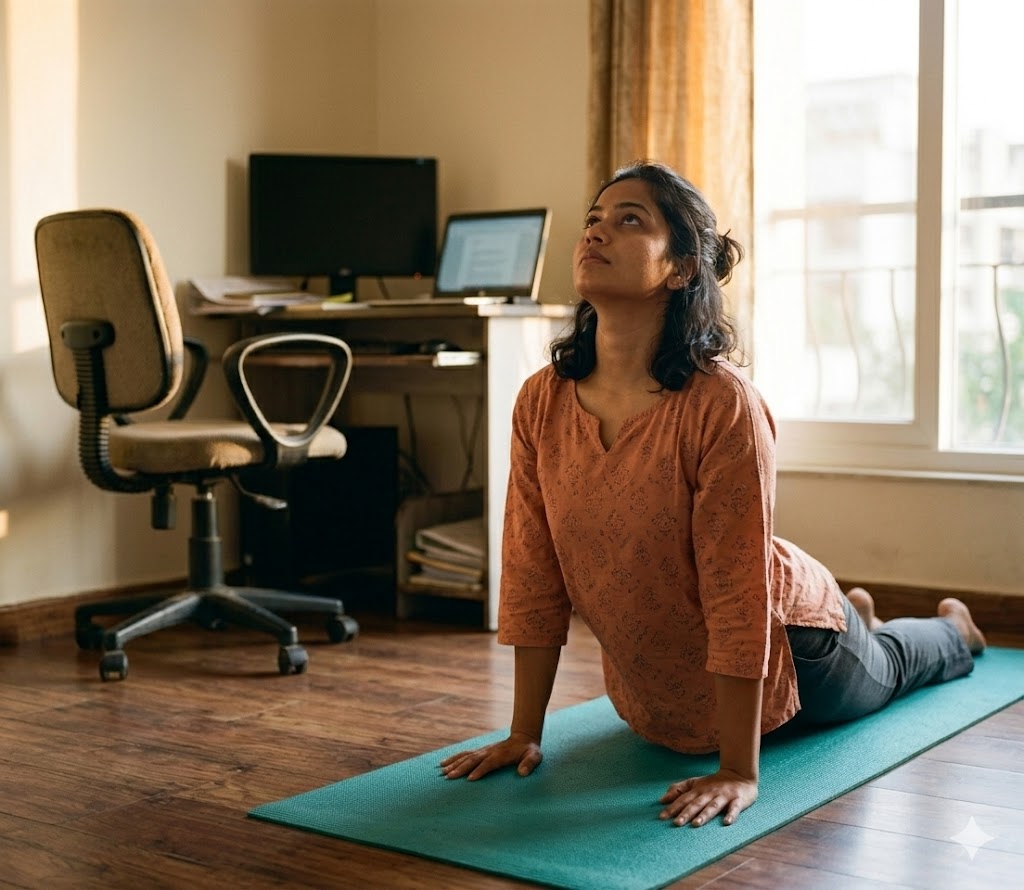
Yoga for Bad Posture Caused by Desk Work
Modern work environments often contribute to poor alignment.
Forward head posture, rounded shoulders, and lower back strain are common patterns. This is where Yoga for bad posture becomes especially helpful.
Yoga sequences designed for desk workers focus on:
- Opening the chest
• Strengthening upper back muscles
• Improving hip mobility
• Restoring neutral spinal curves
Over time, this reduces strain and increases comfort during long workdays.
The Role of Core Stability in Standing Taller
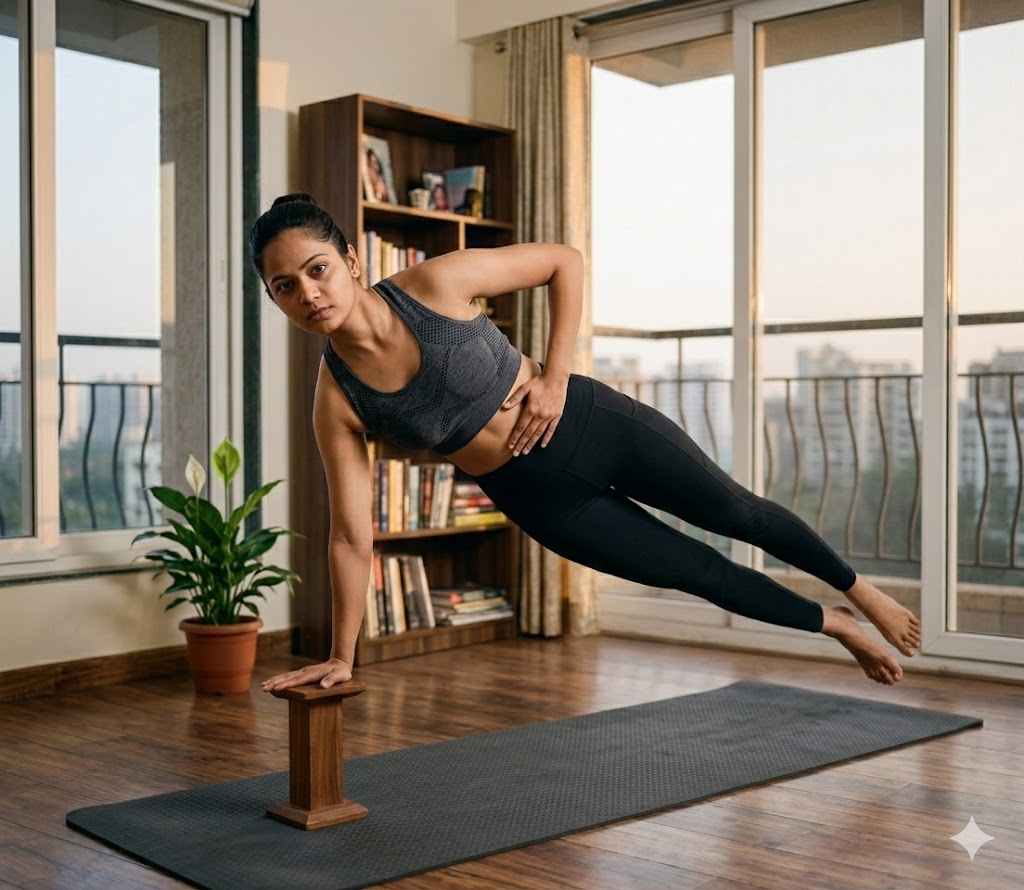
Standing taller is not about pulling shoulders back. It is about coordinated support.
Core stability involves the deep abdominal muscles, diaphragm, pelvic floor, and spinal stabilizers working together.
When these muscles activate properly:
- The spine experiences less compressive load
• Balance improves
• Movement becomes more efficient
• Fatigue reduces
Yoga integrates breath and movement, helping the diaphragm support the core naturally.
This is sustainable posture.
AI Posture Tracking and Modern Awareness
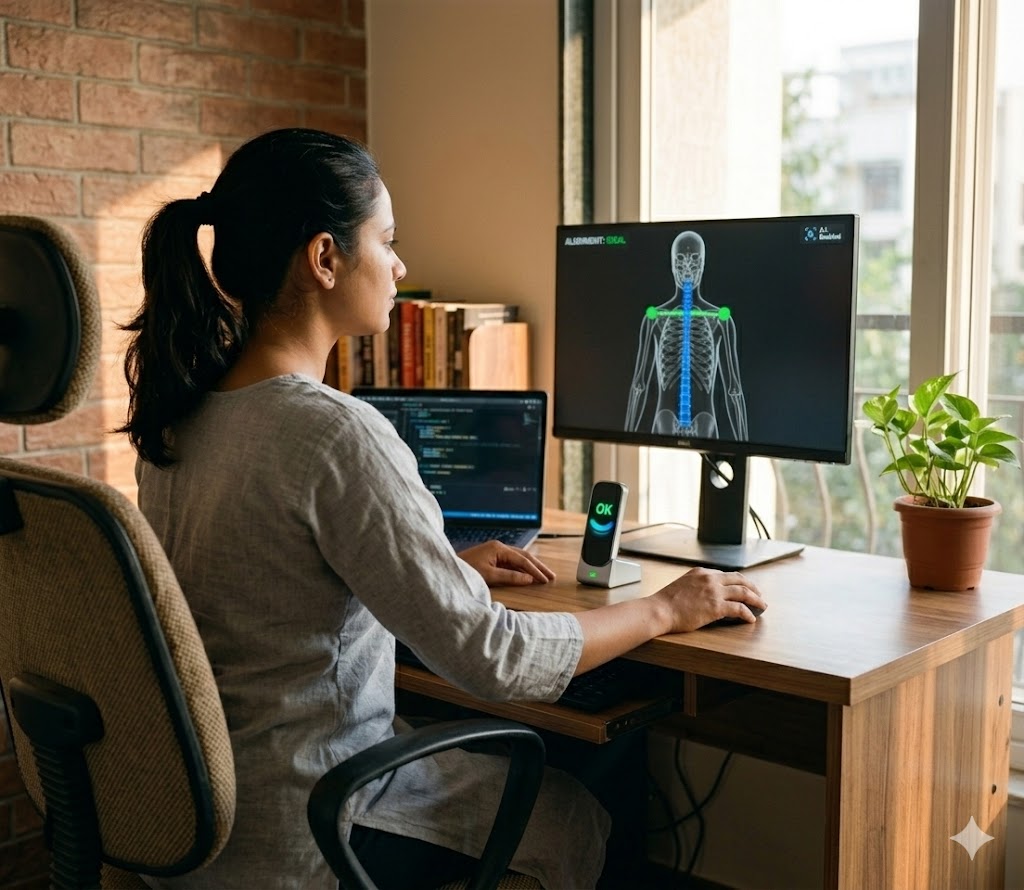
Awareness is the first step toward change. Technology now allows posture habits to be tracked in real time.
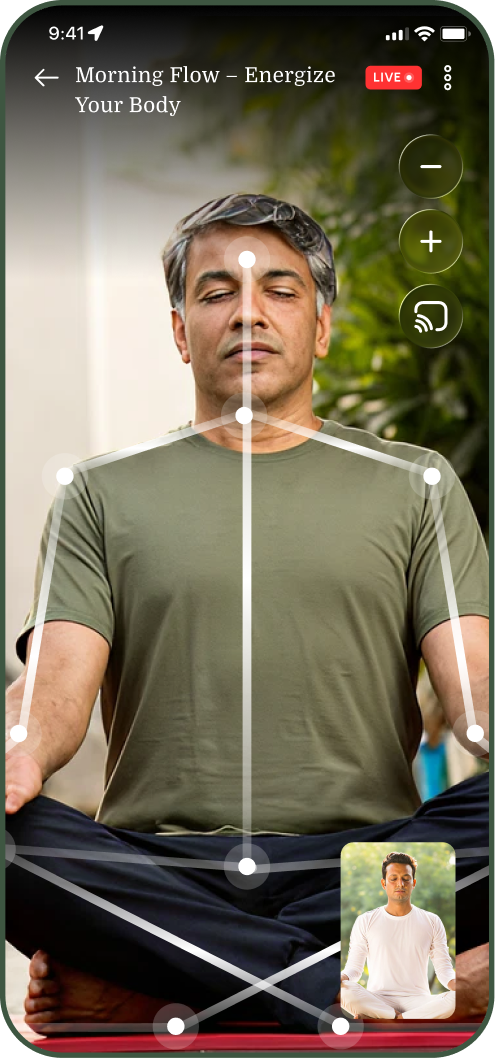
AI posture tracking tools can detect slouching patterns and provide feedback. When combined with guided yoga sessions, this creates a powerful correction loop.
Instead of guessing whether your alignment is improving, feedback reinforces learning.
At Yogain Wellness, structured programs integrate mindful movement with awareness tools to support long term habit change.
When to Seek Professional Advice
While yoga is supportive for most posture related discomfort, medical guidance is important if you experience:
Severe or persistent back pain
Numbness or tingling in limbs
Structural spinal conditions
Recent injury
Yoga complements medical care but does not replace it when structural issues are present.

Your Posture Transformation Begins with Yogain Wellness
Posture is not about perfection. It is about balance, awareness, and strength that feels natural.
At Yogain Wellness, our approach to Yoga for posture blends traditional alignment principles with modern understanding of stress and movement patterns. We focus on breath based correction, gradual strengthening, and sustainable change.
Through guided sessions and structured programs, you can rebuild spinal alignment, improve musculoskeletal balance, and develop lasting body alignment awareness.
You do not need to force your body to stand tall.
You can learn to support it from within.




Who Can Benefit from Yoga for Posture Correction

Students
The students have prolonged hours of sitting in classrooms, desk-studying, or using electronic gadgets. It usually results in a bad posture, rounded shoulders and neck strain. Postural yoga enables students to gain a body awareness, core muscle, back muscle strength, and the likelihood of sustaining long-term healthy sitting habitation of the spine.

Working Professionals
Individuals in sedentary jobs or spending excessive time at the computer screen usually have small backs, aching shoulders and lower back pain. In the work process, postural yoga assists in relieving stress and tension, training the strong muscles, and correcting posture.

Athletes and Beginners
Monotonous activities may cause muscle imbalances in sportsmen, which influence their posture with time. Yoga based on posture enhances flexibility, balance and strength thus ensuring that the athletes and a non-athlete start living with better body posture formation in their daily life.



Safety Information
If you are dealing with severe pain, recent injuries, disc issues, or other medical concerns, it is important to speak with a healthcare professional before starting yoga. Movements should stay gentle and controlled, pain should not be pushed through.
This program is meant for learning and general support only. It does not replace medical treatment or professional care when that is required.
Frequently Asked Questions
1. Can yoga fix bad posture permanently?
Yoga can significantly improve posture over time, but permanence depends on consistency and daily habits. Regular practice strengthens postural muscles, improves spinal alignment, and increases body alignment awareness. When combined with mindful sitting and standing habits, posture improvements can become long lasting.
2. Which yoga is best for posture?
The most effective Yoga for posture focuses on strengthening the upper back, improving core stability, and increasing thoracic spine mobility. Slow Hatha based practices, alignment focused sessions, and guided posture correction routines tend to be most supportive.
3. How long does yoga take to improve posture?
Some people notice improved awareness within a few weeks. Visible changes in alignment and muscle balance may take six to eight weeks of consistent practice. Sustainable posture correction happens gradually as the body relearns healthier movement patterns.
4. Is yoga better than the gym for posture correction?
For many people, Yoga for posture correction can be more effective because it combines strength, flexibility, breath, and nervous system regulation. While gym training builds muscle, yoga also improves coordination, mobility, and postural awareness, which are essential for lasting alignment.
5. Can yoga help with neck and shoulder pain from poor posture?
Yes. Yoga for bad posture can reduce tension in the neck and shoulders by strengthening upper back muscles and releasing tight chest muscles. Improved musculoskeletal balance helps distribute weight more evenly across the spine.
6. What are the best yoga poses for posture improvement?
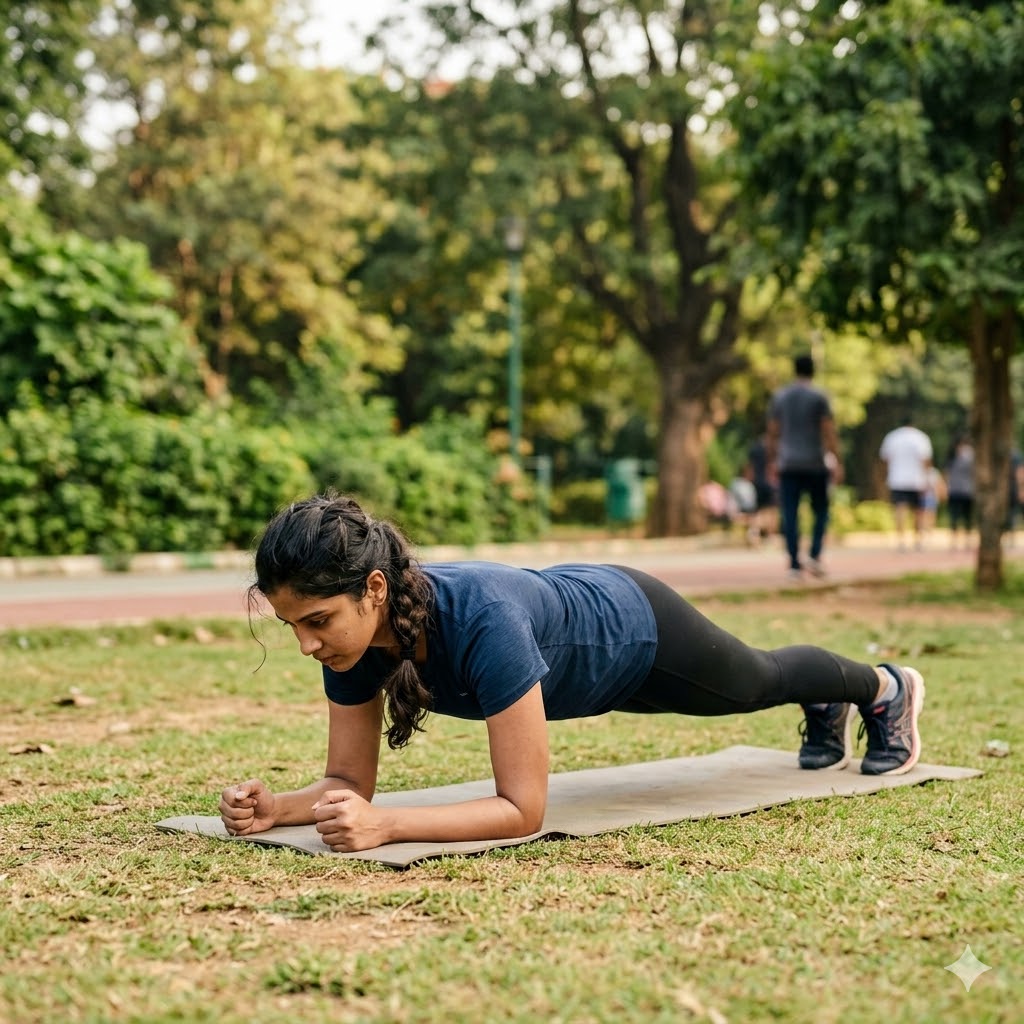
The Best yoga poses for posture typically include Mountain Pose for alignment awareness, Cat Cow for thoracic spine mobility, Cobra for chest opening, Bridge for posterior chain strength, and Plank for core stability.
7. Is beginner yoga enough to improve posture?
Yes. A well structured Beginner yoga for posture correction routine can be very effective. Beginners benefit from learning proper alignment cues and building foundational strength before progressing to more advanced movements.
8. How does breathing affect posture?
Breathing plays a crucial role in spinal support. Proper diaphragm engagement improves core stability and reduces chest collapse. Yoga teaches breath control, which enhances both alignment and nervous system balance.
9. Can posture improvement exercises replace yoga?
Basic Posture improvement exercises such as wall alignment checks and chin tucks are helpful. However, yoga integrates these exercises into a full body approach that addresses muscle imbalance, mobility, and breath simultaneously.
10. Who should avoid yoga for posture correction?
Most people can safely practice yoga for alignment. However, those with severe spinal conditions, recent injuries, or nerve related symptoms should consult a healthcare professional before starting any new movement program.

Begin Your Journey to Back Pain Relief
Back pain improves if the body gains strength and movement. If yoga is practiced consistently, it can help provide a way of supporting spinal health help.
As a member of the Keep in Touch Community, you can start doing yoga designed to relieve back pain.
Begin Your Back Pain Relief Journey Today