
Support Migraine Relief Naturally with Yoga


Granted By StartinUP


Over 1000 people have practiced with us.

Many see noticeable pain reduction within a few weeks.
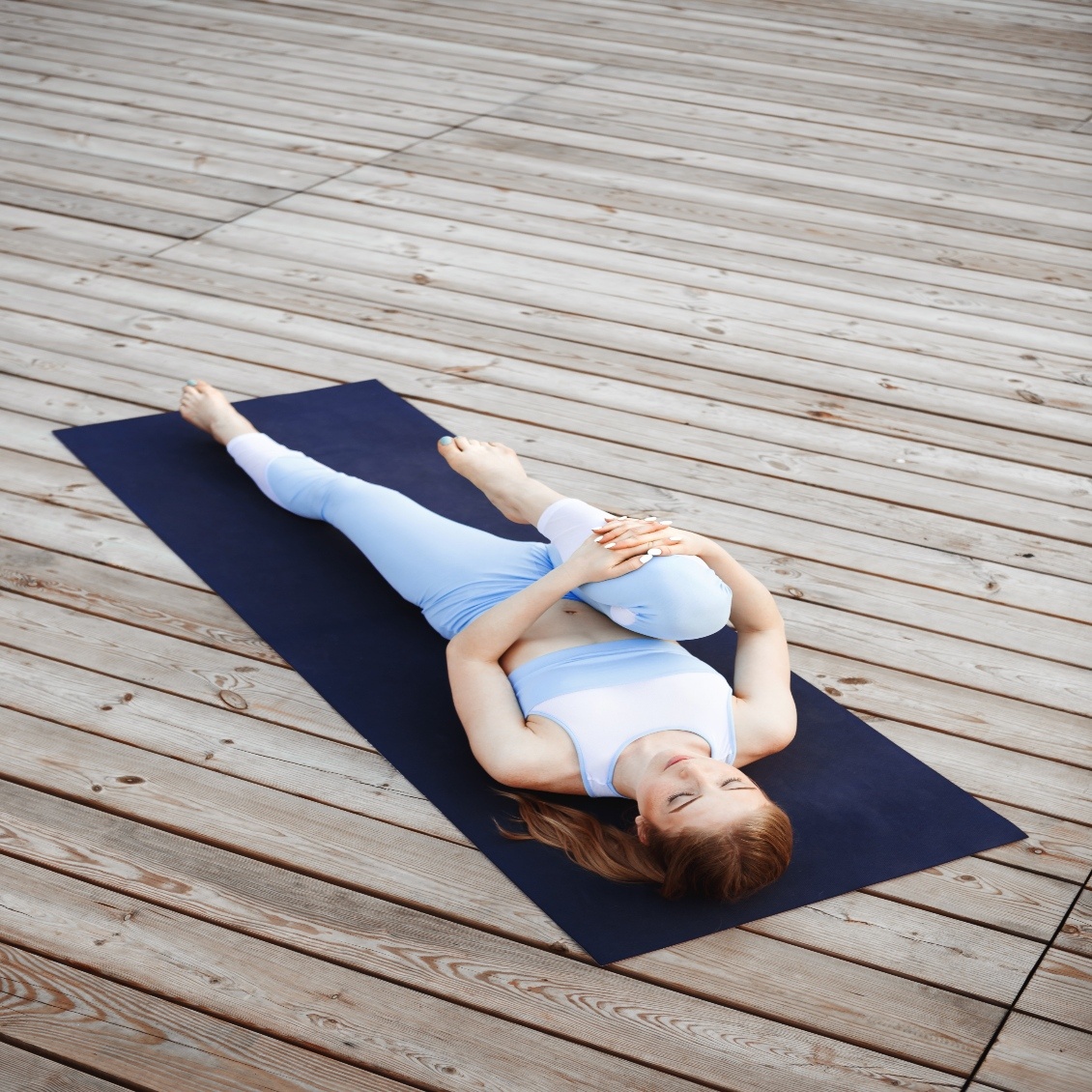
Why Do Migraines Keep Returning?
Migraines often return because the underlying triggers are still present. An overstimulated nervous system, poor sleep quality, irregular meals, hormonal fluctuations, and emotional stress all play a role in keeping the body in a reactive state.
When the brain and nervous system remain on high alert, even small stimuli, such as light, sound, or mental strain, can trigger migraine pain. Medication may provide temporary relief, but it does not always address these root causes.
Yoga works differently. Instead of chasing symptoms, it focuses on restoring balance, stability, and rhythm within the body, which is essential for long-term migraine care.
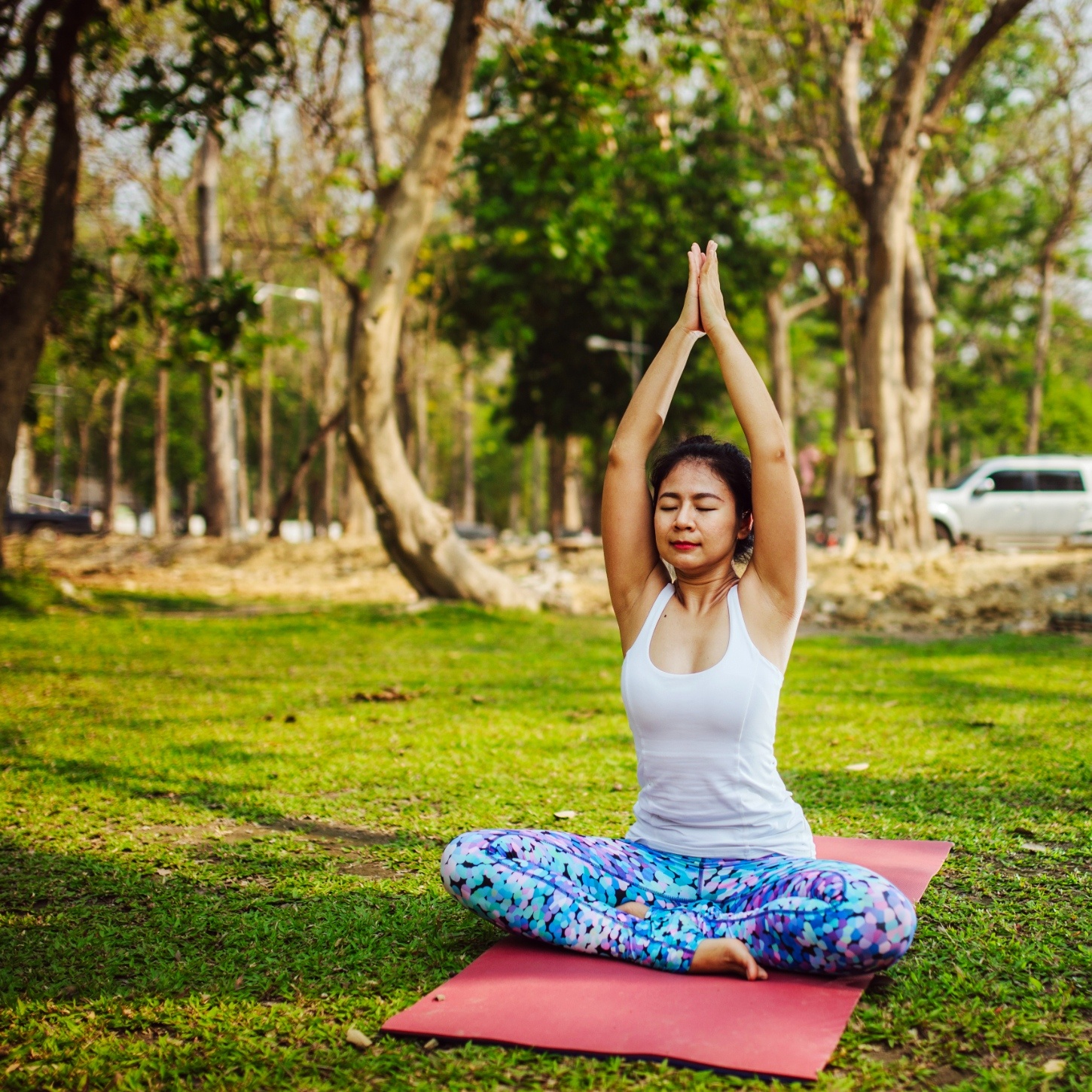
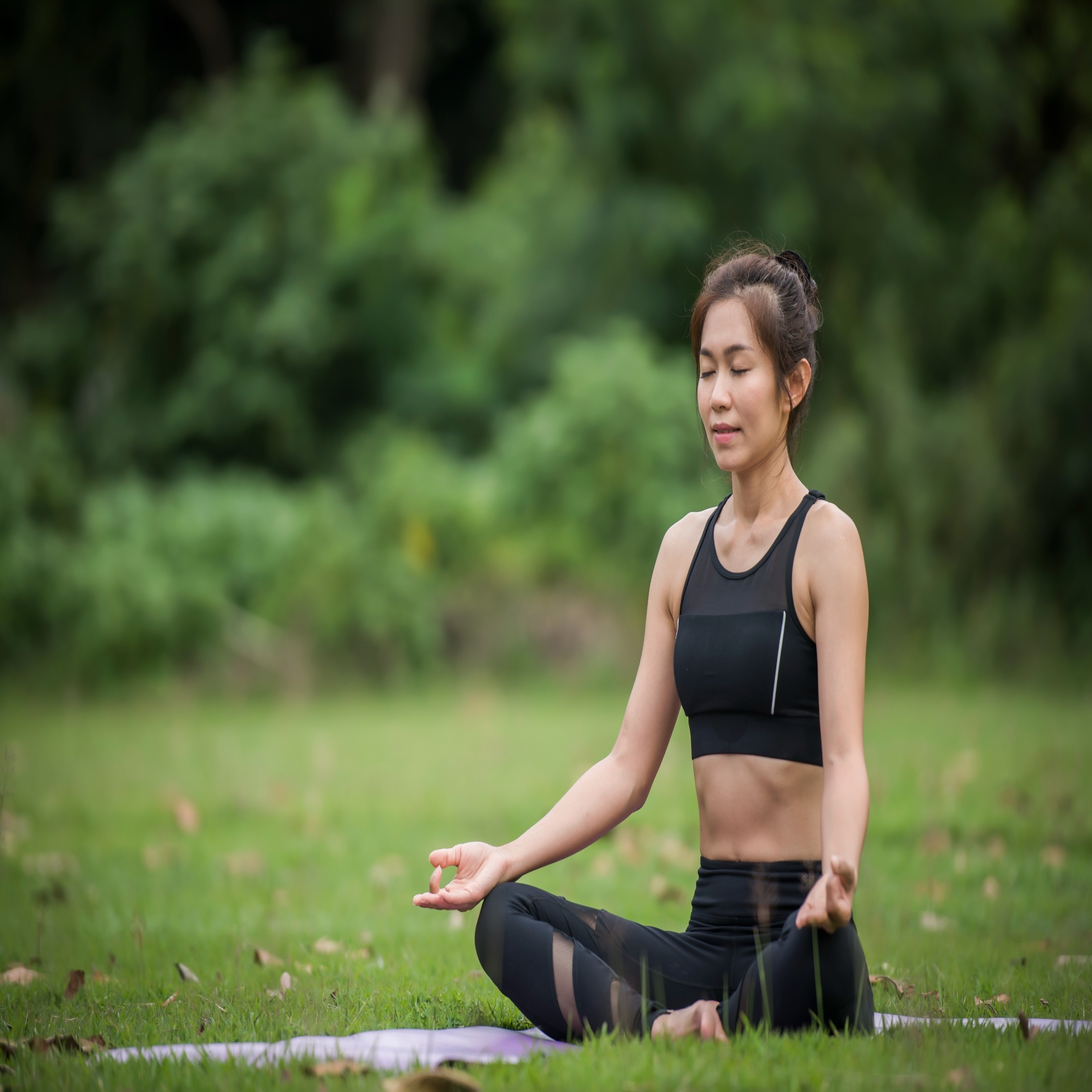
How Yoga Supports Migraine Relief
Yoga supports migraine relief by regulating the nervous system and improving internal communication within the body. Slow, mindful movement combined with conscious breathing helps shift the system out of fight-or-flight mode and into a parasympathetic, healing state.
This calmer internal environment supports better circulation without pressure, improved oxygen delivery, and reduced muscular tension, especially around the head, neck, shoulders, and jaw, where migraine-related tightness often accumulates. Chronic neck and upper back tightness can contribute to recurring migraine patterns, which is why therapeutic yoga for back pain may also complement migraine care.
From a yogic perspective, yoga helps balance prana, the life force that governs energy flow. When prana becomes excessive or stuck in the head region, migraines can worsen. Gentle practices help redistribute energy downward, creating stability and relief.
Regulating the Nervous System for Migraine Care
Migraine is closely linked to nervous system sensitivity. Fast-paced lifestyles, constant screen exposure, emotional pressure, and lack of rest can overwhelm the system over time.
Yoga practices for migraine focus on slowing down rather than doing more. Gentle transitions, supported postures, and longer resting phases signal safety to the brain. This reduces cortisol levels and helps the nervous system feel less reactive.
When the nervous system feels regulated, the body becomes less prone to pain cycles. This is why calming, grounding practices are often more effective for migraine relief than intense exercise.
Yoga Poses That Support Migraine Relief
Yoga poses for migraine relief are chosen carefully. They are restorative, grounding, and non-stimulating, helping the body release tension without triggering discomfort. These poses can be practiced at home and adapted based on sensitivity levels.
Important: During acute migraine attacks, complete rest may be more appropriate. Always move gently, avoid strain, and listen to your body’s signals.
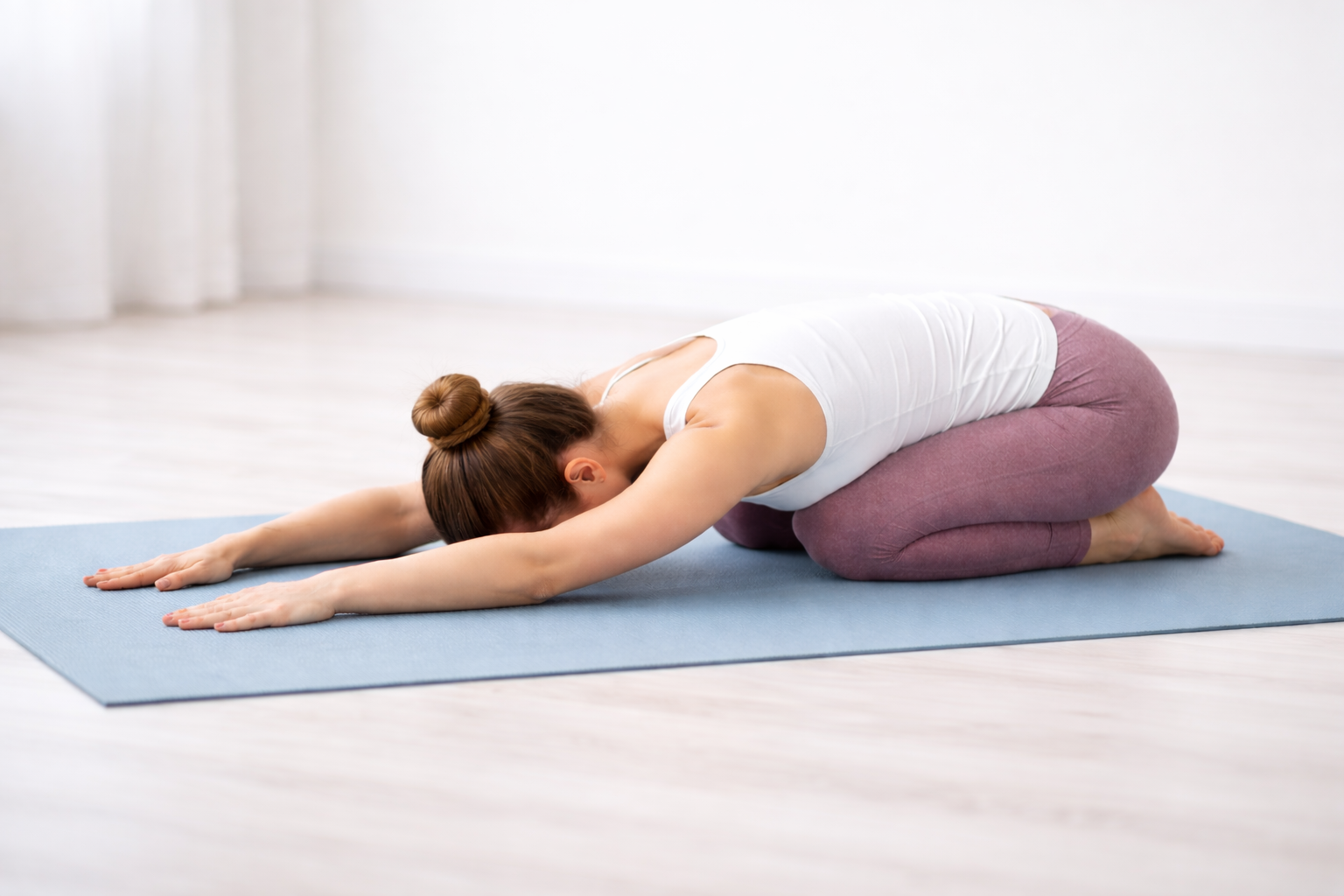
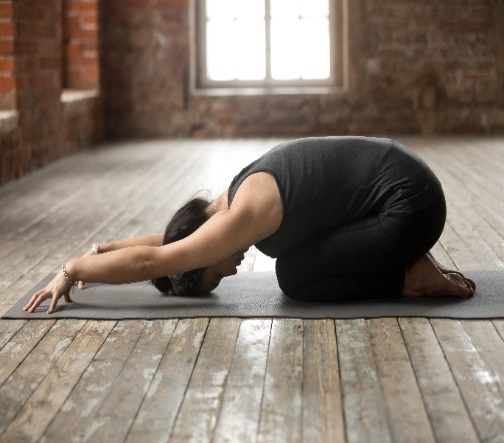
Balasana (Child’s Pose)
This posture gently relaxes the neck, shoulders, and lower back while calming the nervous system. It creates a sense of safety and withdrawal from sensory overload.
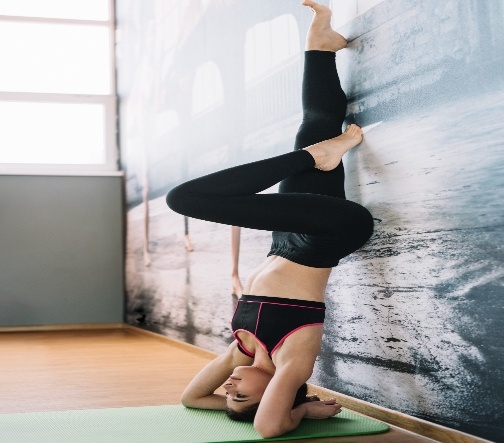
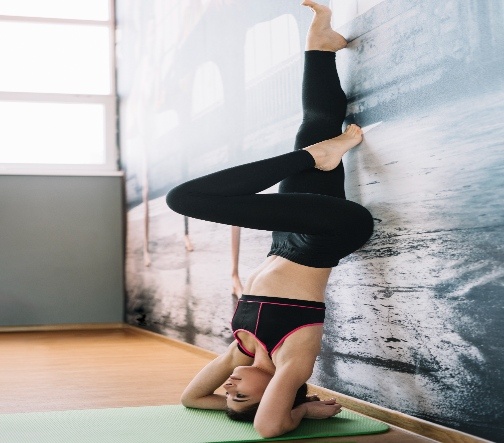
Viparita Karani (Legs Up the Wall)
This restorative pose supports circulation without strain and helps reduce fatigue. It is especially helpful for stress-related migraine patterns.
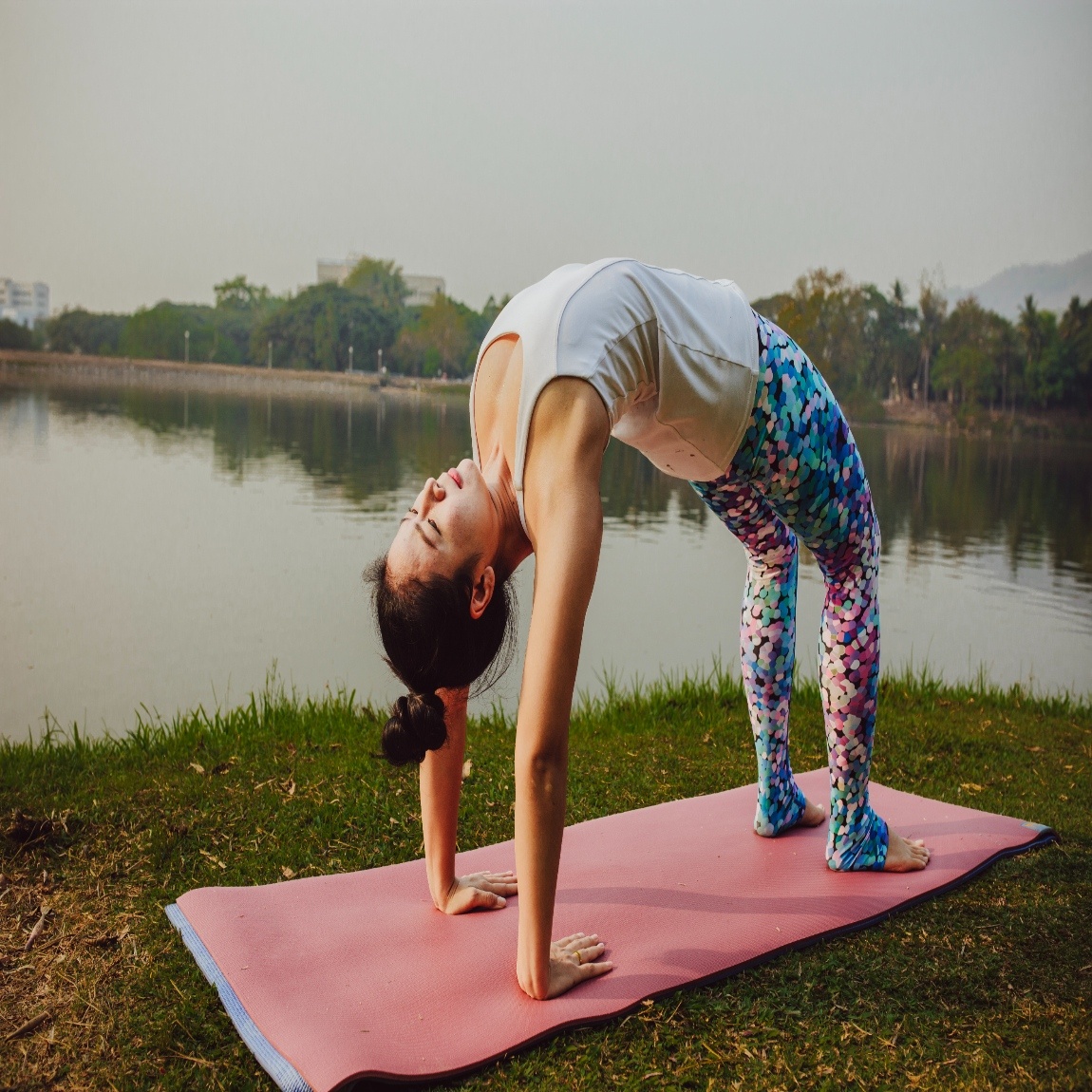
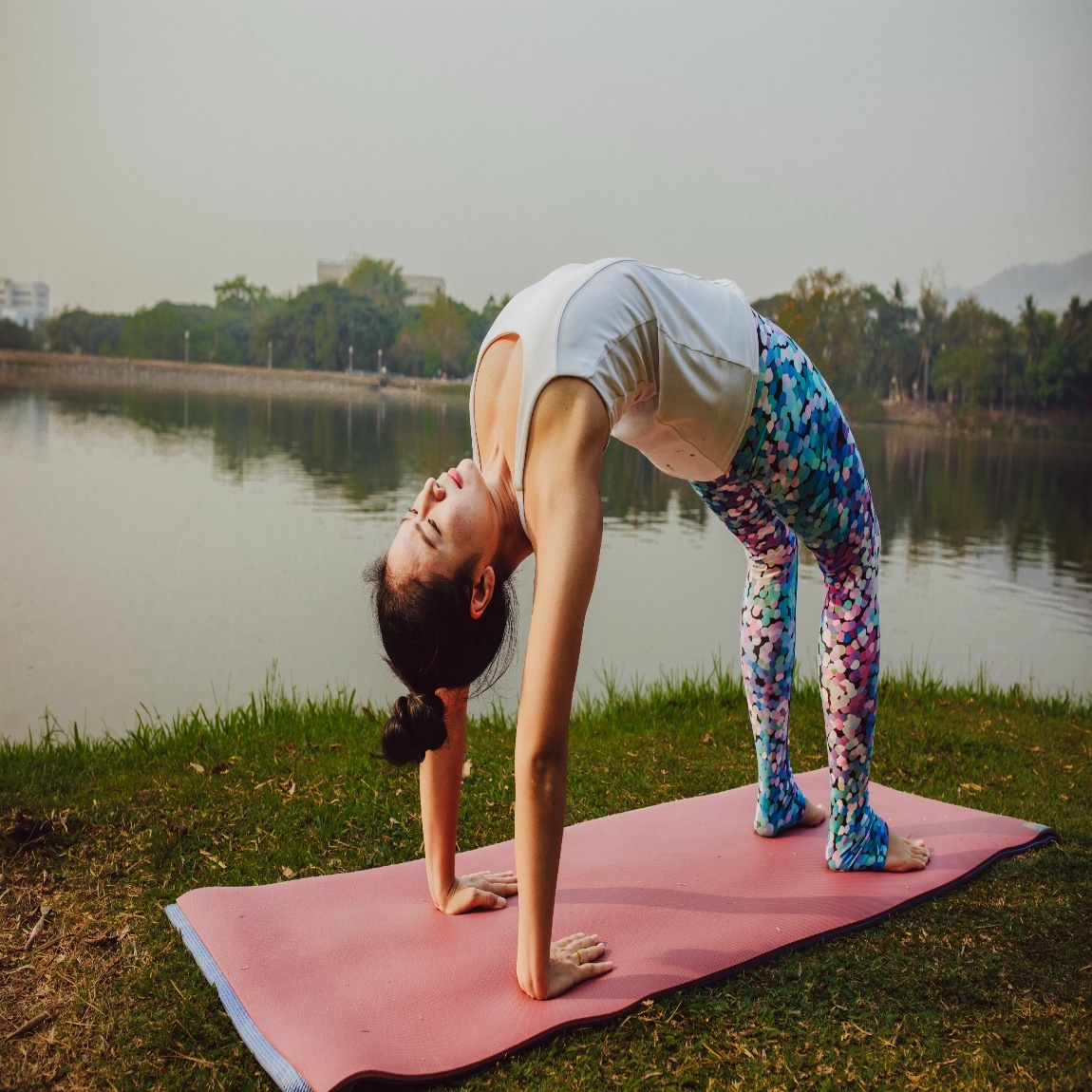
Setu Bandhasana (Supported Bridge Pose)
When practiced with support, this pose gently opens the chest and throat, encouraging relaxation and balanced circulation without pressure on the head.
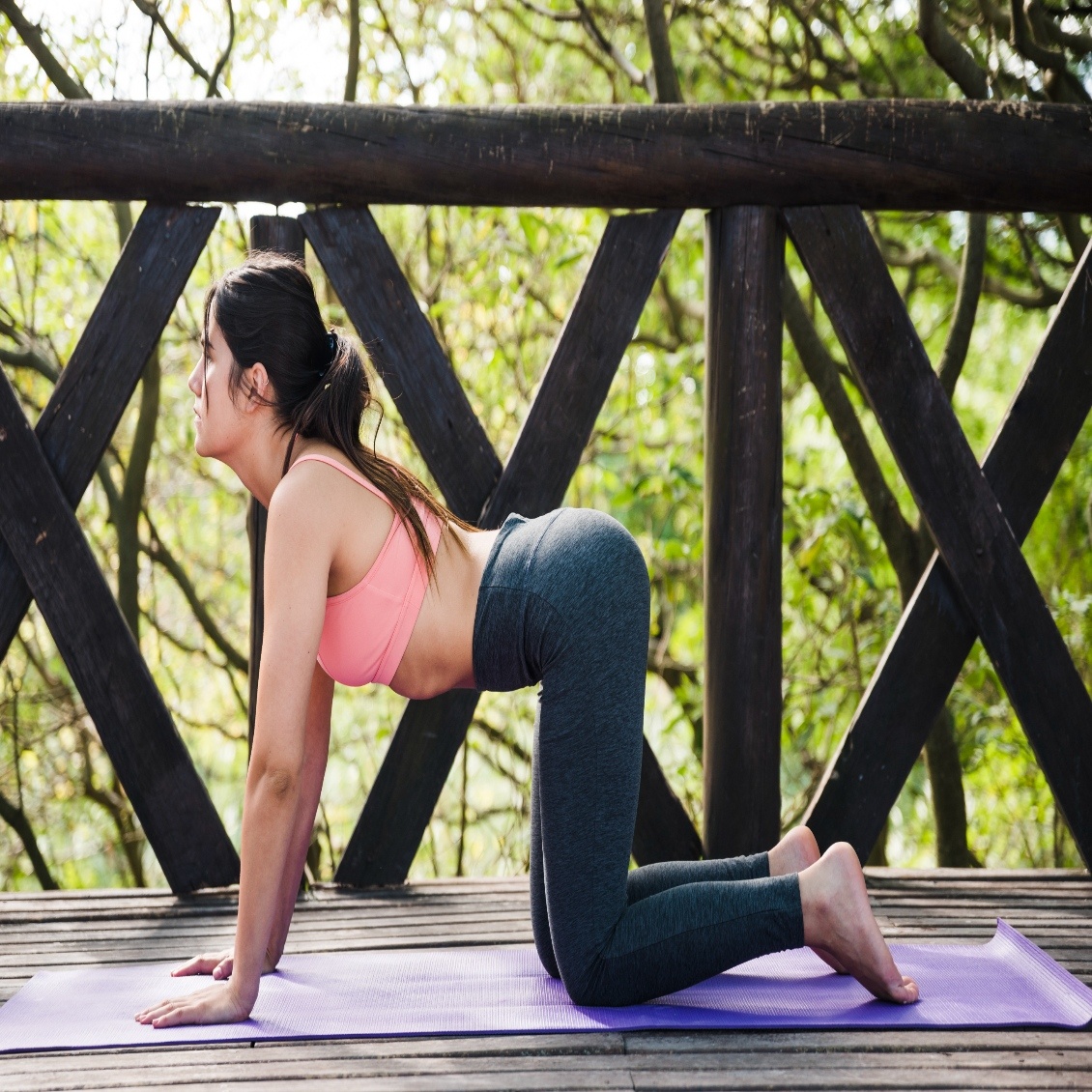
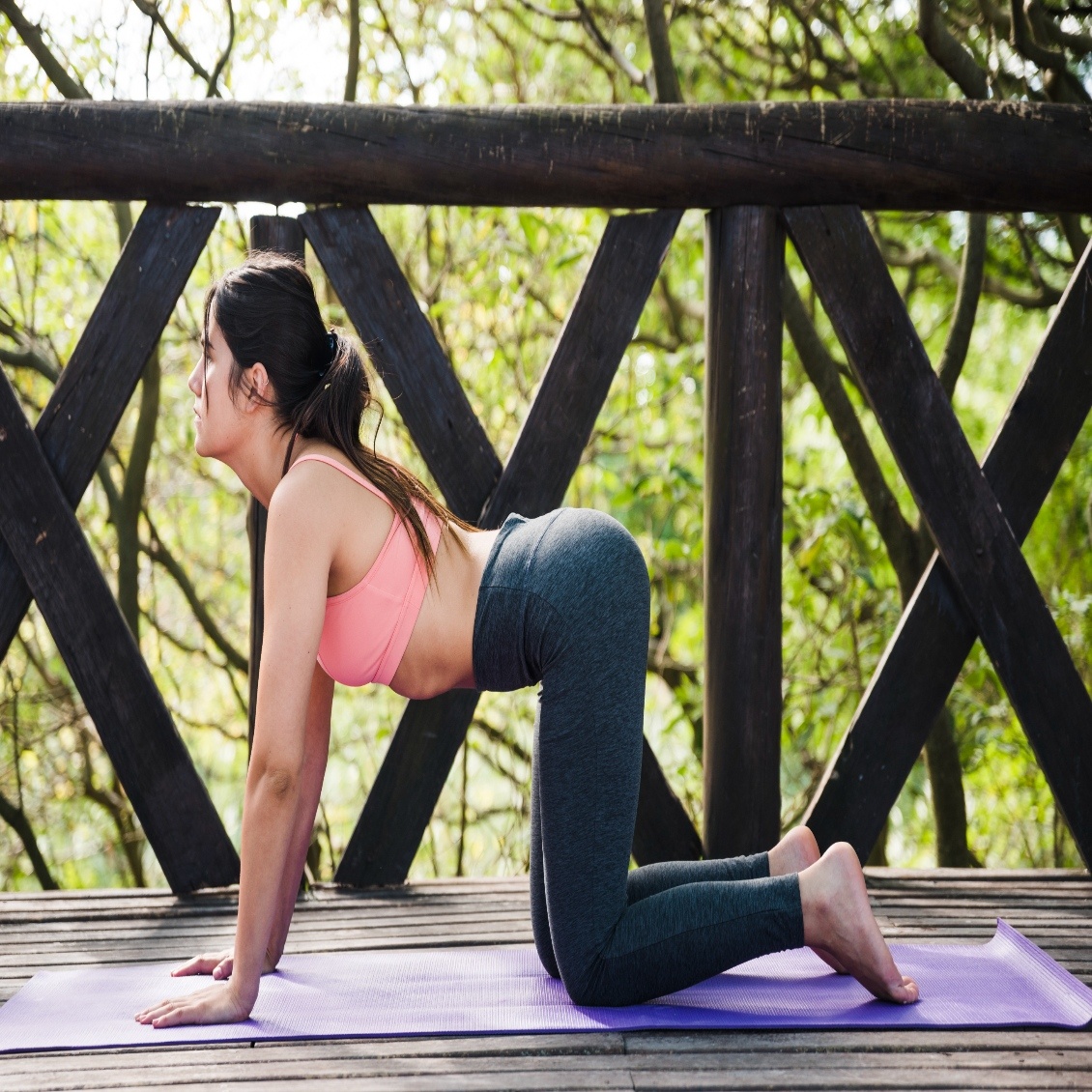
Marjaryasana–Bitilasana (Slow Cat–Cow)
Slow spinal movement helps release tension along the back and neck while coordinating breath and movement, which supports nervous system regulation.
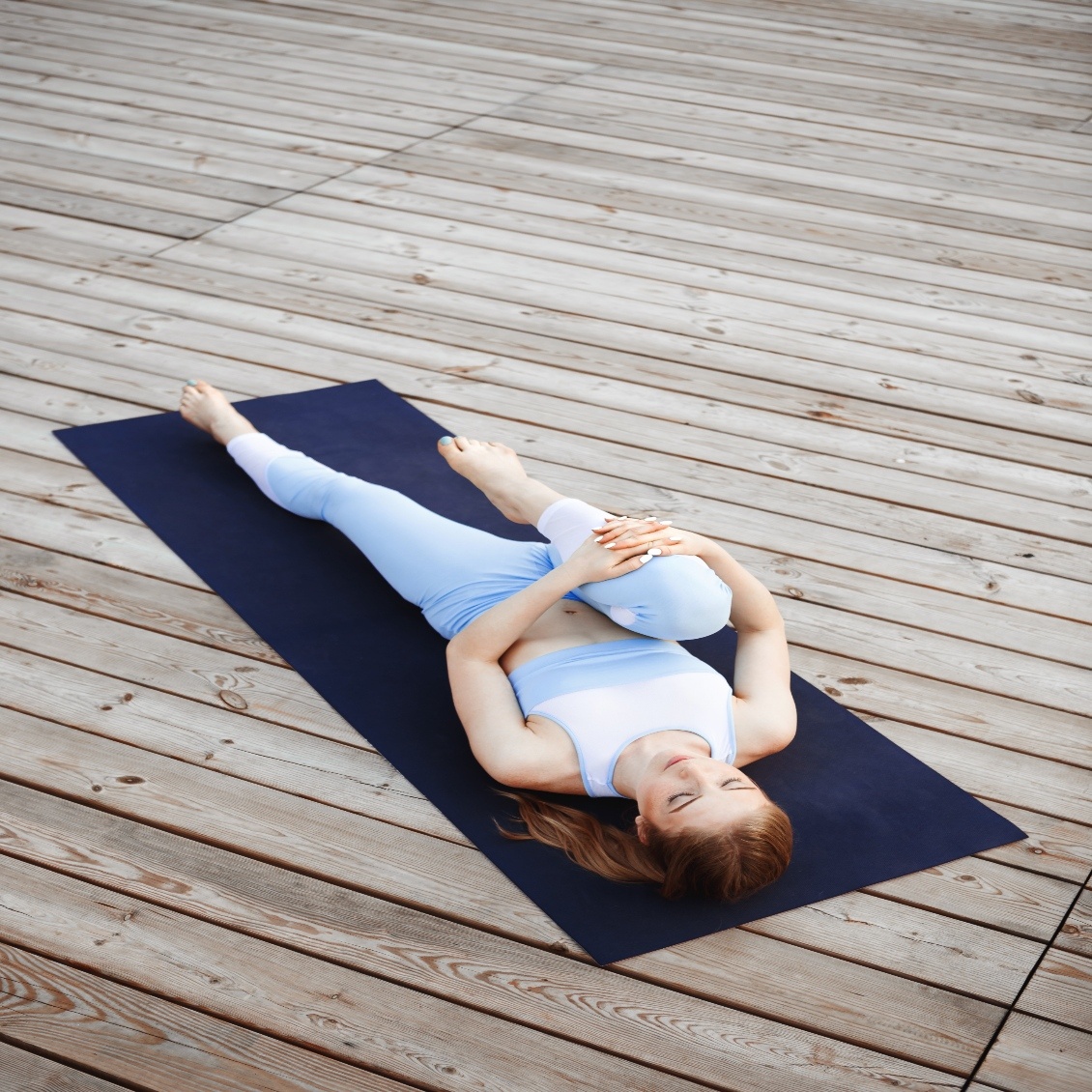
Supta Baddha Konasana (Reclined Bound Angle Pose)
This deeply calming posture supports emotional release and rest, helping the body settle into a restorative state.
Balasana (Child’s Pose)
This posture gently relaxes the neck, shoulders, and lower back while calming the nervous system. It creates a sense of safety and withdrawal from sensory overload.
Viparita Karani (Legs Up the Wall)
This restorative pose supports circulation without strain and helps reduce fatigue. It is especially helpful for stress-related migraine patterns.
Setu Bandhasana (Supported Bridge Pose)
When practiced with support, this pose gently opens the chest and throat, encouraging relaxation and balanced circulation without pressure on the head.
Marjaryasana–Bitilasana (Slow Cat–Cow)
Slow spinal movement helps release tension along the back and neck while coordinating breath and movement, which supports nervous system regulation.
Supta Baddha Konasana (Reclined Bound Angle Pose)
This deeply calming posture supports emotional release and rest, helping the body settle into a restorative state.
Balasana (Child’s Pose)
This posture gently relaxes the neck, shoulders, and lower back while calming the nervous system. It creates a sense of safety and withdrawal from sensory overload.
Viparita Karani (Legs Up the Wall)
This restorative pose supports circulation without strain and helps reduce fatigue. It is especially helpful for stress-related migraine patterns.
Setu Bandhasana (Supported Bridge Pose)
When practiced with support, this pose gently opens the chest and throat, encouraging relaxation and balanced circulation without pressure on the head.
Marjaryasana–Bitilasana (Slow Cat–Cow)
Slow spinal movement helps release tension along the back and neck while coordinating breath and movement, which supports nervous system regulation.
Supta Baddha Konasana (Reclined Bound Angle Pose)
This deeply calming posture supports emotional release and rest, helping the body settle into a restorative state.
Balasana (Child’s Pose)
This posture gently relaxes the neck, shoulders, and lower back while calming the nervous system. It creates a sense of safety and withdrawal from sensory overload.
Viparita Karani (Legs Up the Wall)
This restorative pose supports circulation without strain and helps reduce fatigue. It is especially helpful for stress-related migraine patterns.
Setu Bandhasana (Supported Bridge Pose)
When practiced with support, this pose gently opens the chest and throat, encouraging relaxation and balanced circulation without pressure on the head.
Marjaryasana–Bitilasana (Slow Cat–Cow)
Slow spinal movement helps release tension along the back and neck while coordinating breath and movement, which supports nervous system regulation.
Supta Baddha Konasana (Reclined Bound Angle Pose)
This deeply calming posture supports emotional release and rest, helping the body settle into a restorative state.
Balasana (Child’s Pose)
This posture gently relaxes the neck, shoulders, and lower back while calming the nervous system. It creates a sense of safety and withdrawal from sensory overload.
Viparita Karani (Legs Up the Wall)
This restorative pose supports circulation without strain and helps reduce fatigue. It is especially helpful for stress-related migraine patterns.
Setu Bandhasana (Supported Bridge Pose)
When practiced with support, this pose gently opens the chest and throat, encouraging relaxation and balanced circulation without pressure on the head.
Marjaryasana–Bitilasana (Slow Cat–Cow)
Slow spinal movement helps release tension along the back and neck while coordinating breath and movement, which supports nervous system regulation.
Supta Baddha Konasana (Reclined Bound Angle Pose)
This deeply calming posture supports emotional release and rest, helping the body settle into a restorative state.
Balasana (Child’s Pose)
This posture gently relaxes the neck, shoulders, and lower back while calming the nervous system. It creates a sense of safety and withdrawal from sensory overload.
Viparita Karani (Legs Up the Wall)
This restorative pose supports circulation without strain and helps reduce fatigue. It is especially helpful for stress-related migraine patterns.
Setu Bandhasana (Supported Bridge Pose)
When practiced with support, this pose gently opens the chest and throat, encouraging relaxation and balanced circulation without pressure on the head.
Marjaryasana–Bitilasana (Slow Cat–Cow)
Slow spinal movement helps release tension along the back and neck while coordinating breath and movement, which supports nervous system regulation.
Supta Baddha Konasana (Reclined Bound Angle Pose)
This deeply calming posture supports emotional release and rest, helping the body settle into a restorative state.
Balasana (Child’s Pose)
This posture gently relaxes the neck, shoulders, and lower back while calming the nervous system. It creates a sense of safety and withdrawal from sensory overload.
Viparita Karani (Legs Up the Wall)
This restorative pose supports circulation without strain and helps reduce fatigue. It is especially helpful for stress-related migraine patterns.
Setu Bandhasana (Supported Bridge Pose)
When practiced with support, this pose gently opens the chest and throat, encouraging relaxation and balanced circulation without pressure on the head.
Marjaryasana–Bitilasana (Slow Cat–Cow)
Slow spinal movement helps release tension along the back and neck while coordinating breath and movement, which supports nervous system regulation.
Supta Baddha Konasana (Reclined Bound Angle Pose)
This deeply calming posture supports emotional release and rest, helping the body settle into a restorative state.
Balasana (Child’s Pose)
This posture gently relaxes the neck, shoulders, and lower back while calming the nervous system. It creates a sense of safety and withdrawal from sensory overload.
Viparita Karani (Legs Up the Wall)
This restorative pose supports circulation without strain and helps reduce fatigue. It is especially helpful for stress-related migraine patterns.
Setu Bandhasana (Supported Bridge Pose)
When practiced with support, this pose gently opens the chest and throat, encouraging relaxation and balanced circulation without pressure on the head.
Marjaryasana–Bitilasana (Slow Cat–Cow)
Slow spinal movement helps release tension along the back and neck while coordinating breath and movement, which supports nervous system regulation.
Supta Baddha Konasana (Reclined Bound Angle Pose)
This deeply calming posture supports emotional release and rest, helping the body settle into a restorative state.
Balasana (Child’s Pose)
This posture gently relaxes the neck, shoulders, and lower back while calming the nervous system. It creates a sense of safety and withdrawal from sensory overload.
Viparita Karani (Legs Up the Wall)
This restorative pose supports circulation without strain and helps reduce fatigue. It is especially helpful for stress-related migraine patterns.
Setu Bandhasana (Supported Bridge Pose)
When practiced with support, this pose gently opens the chest and throat, encouraging relaxation and balanced circulation without pressure on the head.
Marjaryasana–Bitilasana (Slow Cat–Cow)
Slow spinal movement helps release tension along the back and neck while coordinating breath and movement, which supports nervous system regulation.
Supta Baddha Konasana (Reclined Bound Angle Pose)
This deeply calming posture supports emotional release and rest, helping the body settle into a restorative state.
Balasana (Child’s Pose)
This posture gently relaxes the neck, shoulders, and lower back while calming the nervous system. It creates a sense of safety and withdrawal from sensory overload.
Viparita Karani (Legs Up the Wall)
This restorative pose supports circulation without strain and helps reduce fatigue. It is especially helpful for stress-related migraine patterns.
Setu Bandhasana (Supported Bridge Pose)
When practiced with support, this pose gently opens the chest and throat, encouraging relaxation and balanced circulation without pressure on the head.
Prana, Chakras, and Migraine Sensitivity
From a yogic lens, migraines are often associated with excess upward-moving prana and heightened sensitivity in the upper chakras, particularly the Ajna (third eye) region. Mental overactivity, overthinking, and constant stimulation can worsen this imbalance.
Yoga practices that emphasize grounding help redirect energy downward, creating stability in the body and mind. Gentle forward folds, supported poses, and breath awareness help reduce excess activity in the head.
Balancing prana in this way supports both physical relief and mental clarity, making migraines feel more manageable over time.
Digestion, Agni, and Migraine Triggers
Digestion plays an important role in migraine health. Weak digestive fire (Agni) can lead to toxin buildup, poor nutrient absorption, and metabolic imbalance, all of which may contribute to headaches.
Irregular eating patterns, skipping meals, or overly restrictive diets can worsen migraine sensitivity. Yoga supports digestion gently by improving circulation to the gut and calming stress responses that interfere with digestion.
Rather than aggressive detoxing, a steady, nourishing approach helps stabilize both digestion and migraine patterns.

Emotional Patterns and Migraine Cycles
Migraines are often linked to emotional patterns such as perfectionism, suppressed emotions, chronic stress, and difficulty resting. Holding tension mentally often translates into physical tension in the head, neck, and shoulders.
Yoga provides a safe space for emotional release without analysis or pressure. Slow movement, breath awareness, and stillness allow the nervous system to process emotions naturally.
As emotional tension softens, migraine cycles often become less intense and less frequent.

Pranayama and Relaxation for Migraine Management
Breathing practices are a powerful tool for migraine care when chosen appropriately. Gentle pranayama helps regulate the nervous system and reduce sensory overload.
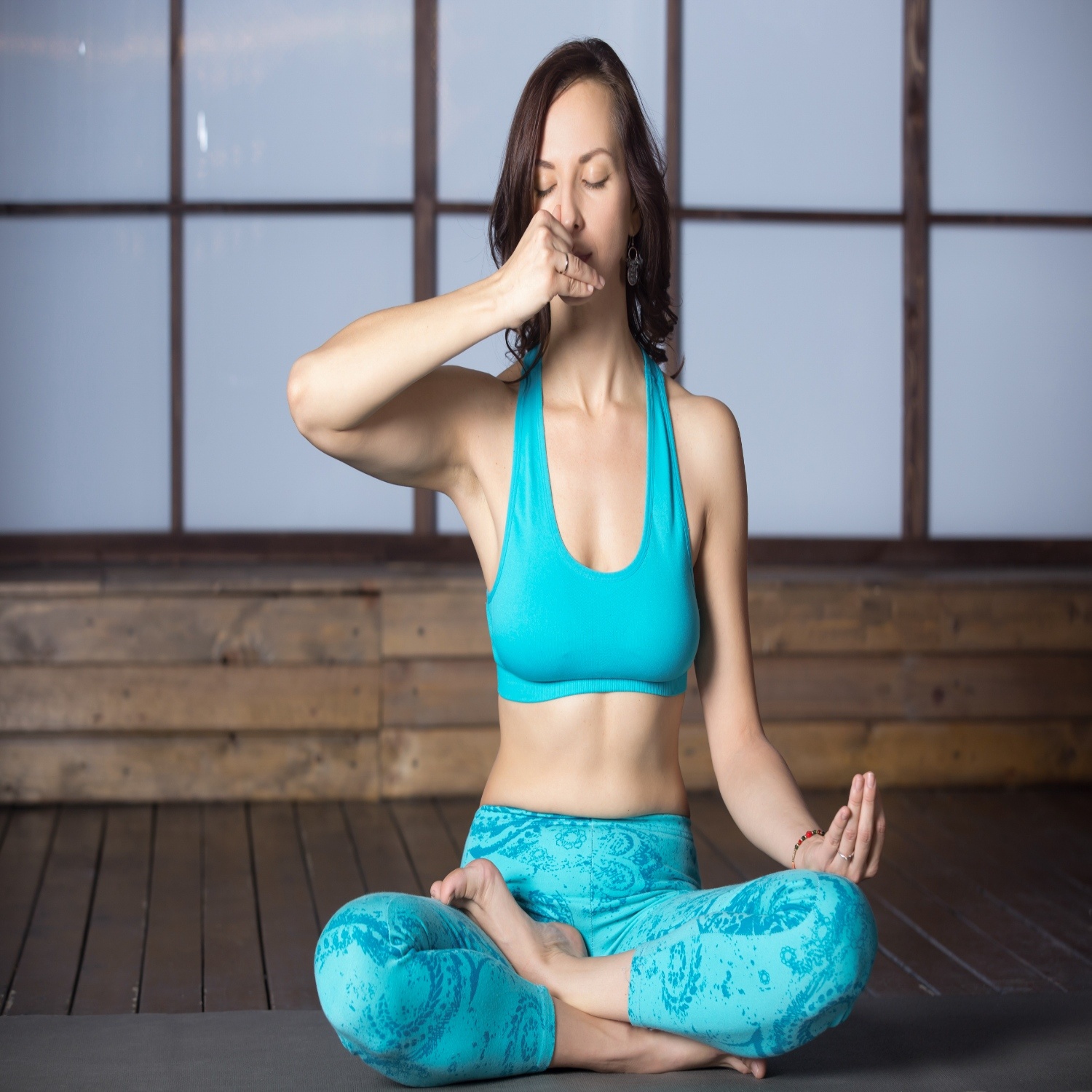
Practices such as Nadi Shodhana (alternate nostril breathing) support balance between the brain hemispheres, while Bhramari (humming breath) helps soothe mental agitation and stress.
Yoga Nidra and guided relaxation practices support deep rest and sensory withdrawal, which are essential for migraine-prone nervous systems.
Lifestyle Support for Migraine-Prone Nervous Systems
Yoga therapy for migraine extends beyond the mat. Consistent sleep schedules, regular meal timings, hydration, and reduced stimulant intake all support nervous system stability.
Limiting excessive screen exposure, taking regular breaks, and spending time in natural light can also reduce migraine triggers.
When lifestyle rhythms become calmer and more predictable, yoga practices tend to work more effectively.
Guided Yoga for Migraine Support with Yogain Wellness
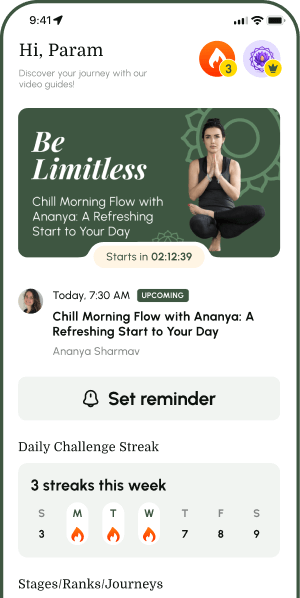
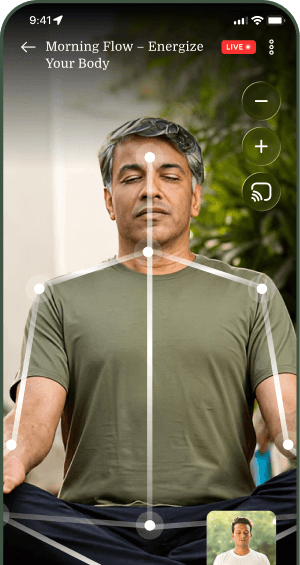
Practicing alone can feel challenging when migraines affect energy levels and sensitivity. Guided sessions provide structure without overwhelm and help ensure practices remain gentle and supportive.
Yogain Wellness offers carefully designed routines that focus on calming movement, breath awareness, and rest. These sessions are suitable for home practice and can be adapted based on how the body feels each day.
With consistent guidance, building a supportive routine becomes easier and more sustainable.




Who Can Benefit from Yoga for Migraine
Yoga practices for migraine can benefit people experiencing chronic migraines, stress-related headaches, hormonal migraines, or screen-induced discomfort.
It is especially helpful for those who feel sensitive to intense workouts or overstimulation. Gentle yoga offers a safe, grounding alternative that supports long-term balance.
Anyone seeking a holistic, non-forceful approach to migraine care can benefit from this practice alongside medical guidance.



Safety Information
If you are dealing with severe pain, recent injuries, disc issues, or other medical concerns, it is important to speak with a healthcare professional before starting yoga. Movements should stay gentle and controlled, pain should not be pushed through.
This program is meant for learning and general support only. It does not replace medical treatment or professional care when that is required.
Frequently Asked Questions
1. Can yoga really help with migraines?
Yoga can support migraine management by calming the nervous system and reducing stress, which are common migraine triggers. Gentle movement, breath awareness, and relaxation help create internal stability rather than forcing symptom relief.
2. Is yoga safe to practice during a migraine attack?
During an active migraine, complete rest or guided relaxation may be more helpful than physical movement. Once symptoms ease, restorative yoga practices can support recovery without overstimulation.
3. Which type of yoga is best for migraine relief?
Slow, grounding practices are generally more supportive. Restorative yoga, gentle stretches, breath-focused sessions, and relaxation-based approaches are often more effective than fast or intense styles.
4. Can yoga reduce the frequency of migraines over time?
With consistent practice, yoga may help reduce migraine frequency by improving nervous system regulation, sleep quality, digestion, and stress response. Results tend to build gradually rather than immediately.
5. Are yoga poses helpful for migraine headaches caused by stress?
Yes, stress-related migraines often respond well to calming yoga poses that release tension in the neck, shoulders, and upper back. These practices help signal safety to the nervous system and reduce reactivity.
6. Can yoga be practiced at home for migraine management?
Yoga can be practiced safely at home when the focus is on gentle movement and rest. Guided sessions are especially helpful, as they reduce guesswork and help prevent overexertion during low-energy days.
Begin Your Migraine Relief Journey with Yogain Wellness
Migraine management is not about quick fixes. It is about creating safety, rhythm, and balance within the body and mind. Yoga offers a compassionate path toward that balance.
With regular practice, gentle movement and breathwork become tools for self-regulation rather than effort. Over time, this can help reduce migraine intensity and improve overall wellbeing.