
Yoga for Anxiety: Natural Relief Through Breath & Movement


Certified by the Ministry of AYUSH and Yoga Alliance USA.


Over 1000 people have practiced with us.

Many see noticeable pain reduction within a few weeks.
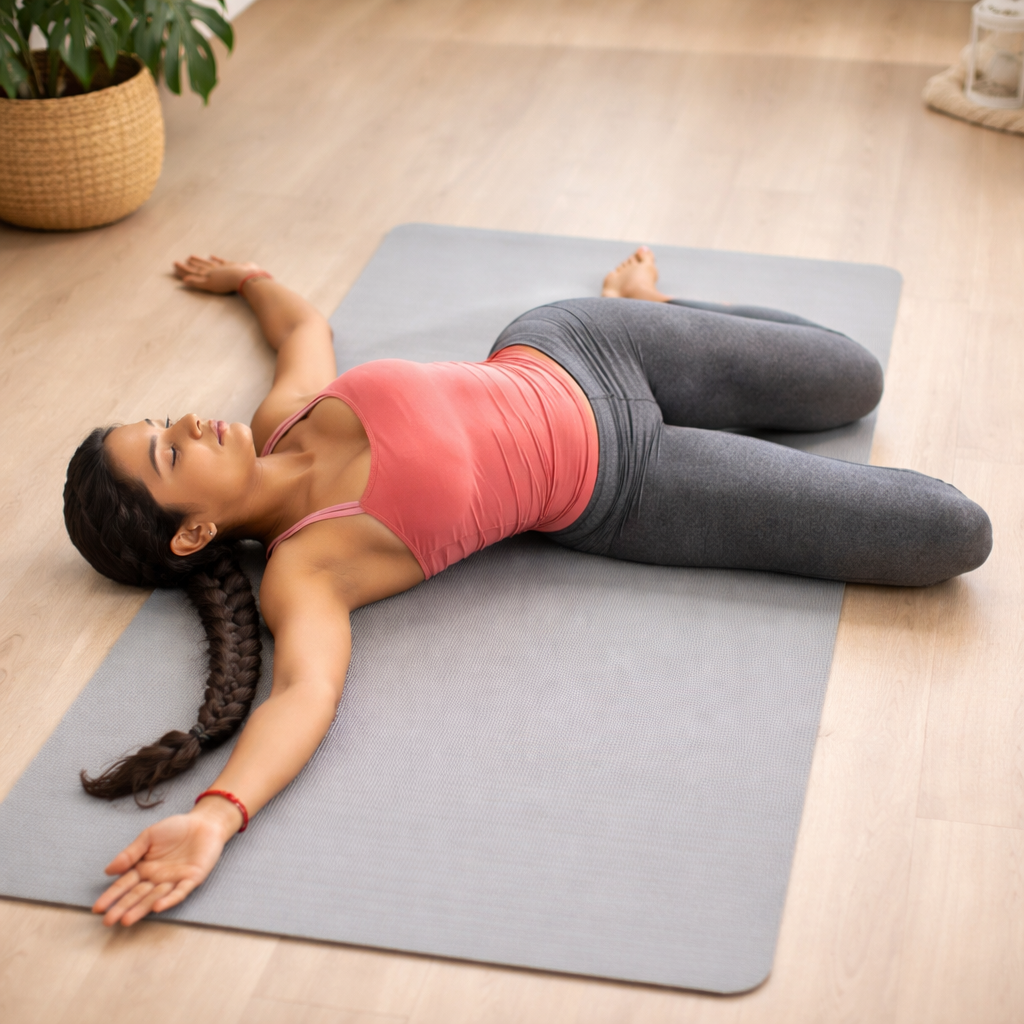
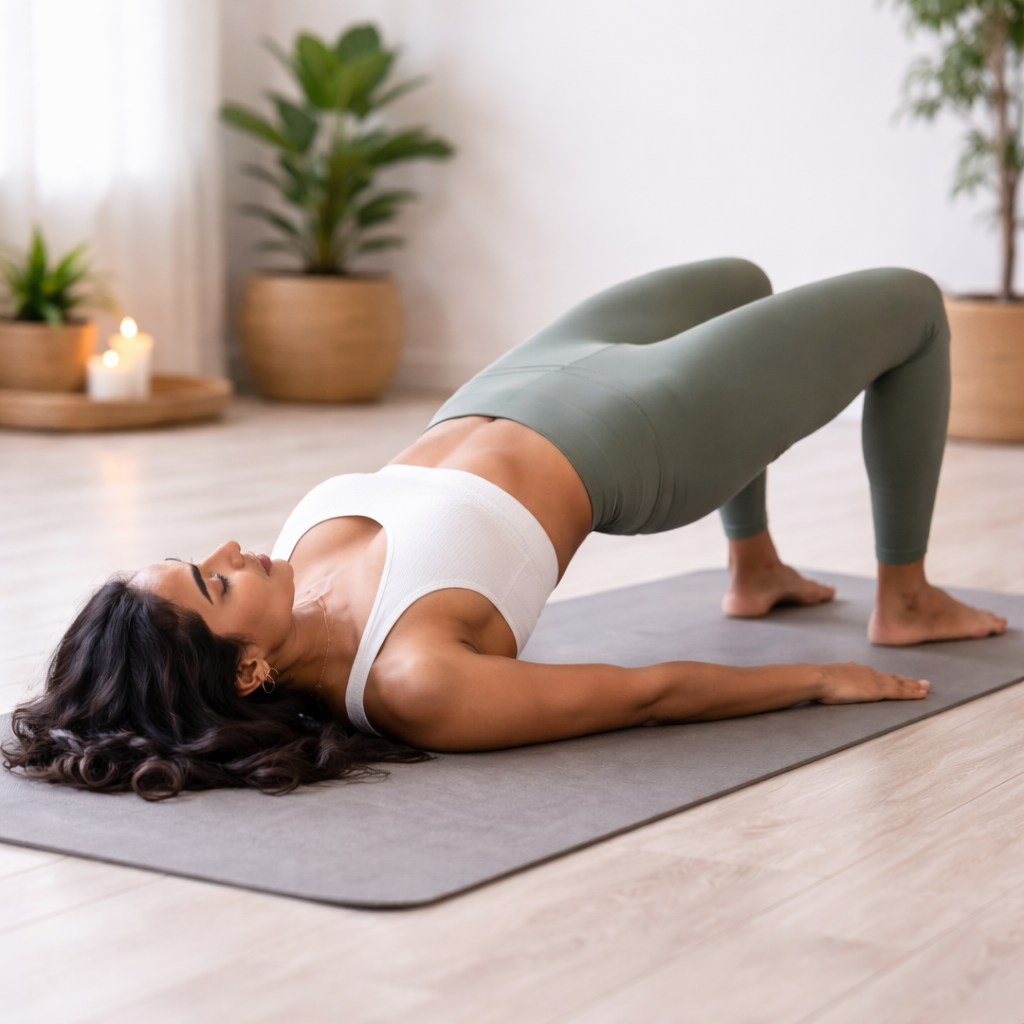
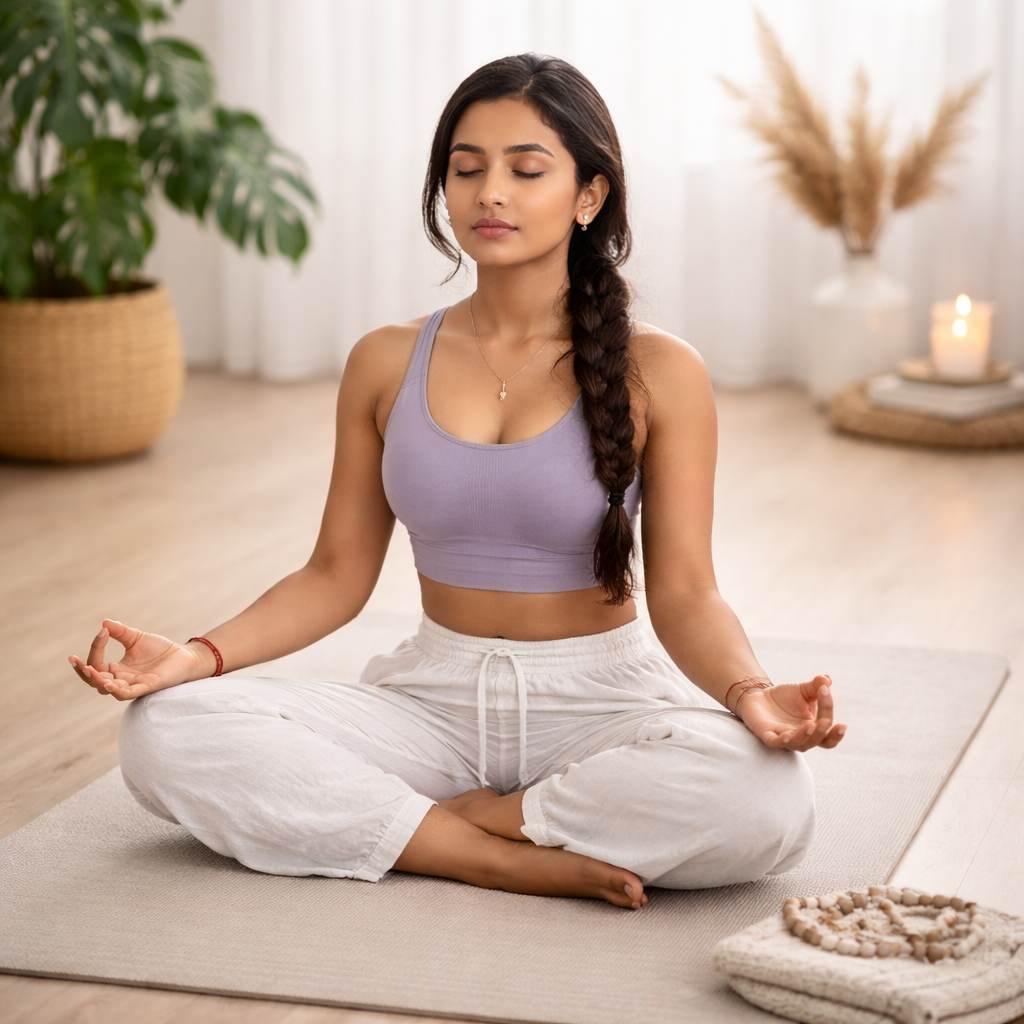
Anxiety does not always look dramatic. Sometimes it is quiet but constant. A tight chest. Racing thoughts before bed. Restlessness during the day. A feeling that something is wrong even when everything seems fine.
If you are searching for Yoga for Anxiety, you are likely not looking for intensity. You are looking for relief. For steadiness. For a way to feel safe in your own body again.
Yoga offers a natural and supportive path toward calming the nervous system through breath, grounded movement, and gentle awareness. It does not force the mind to be quiet. Instead, it helps the body remember how to settle.
When Anxiety Feels Constant and Overwhelming
Anxiety is not just in the mind. It is deeply physical. It shows up as shallow breathing, tight shoulders, digestive discomfort, jaw tension, fatigue, or difficulty sleeping.
Many people are told to relax. But when the nervous system is activated, relaxing is not a choice. It is a physiological process that needs support.
This is where yoga becomes meaningful. Not as exercise, but as regulation.
Top Yoga Poses for Anxiety Relief
Movement becomes powerful when it feels safe and supported. Below are the Top Yoga Poses for Anxiety Relief that focus on grounding rather than stimulation.
Important note
If anxiety escalates into a panic episode, stillness and breath may be more supportive than active movement. Always move within comfort.
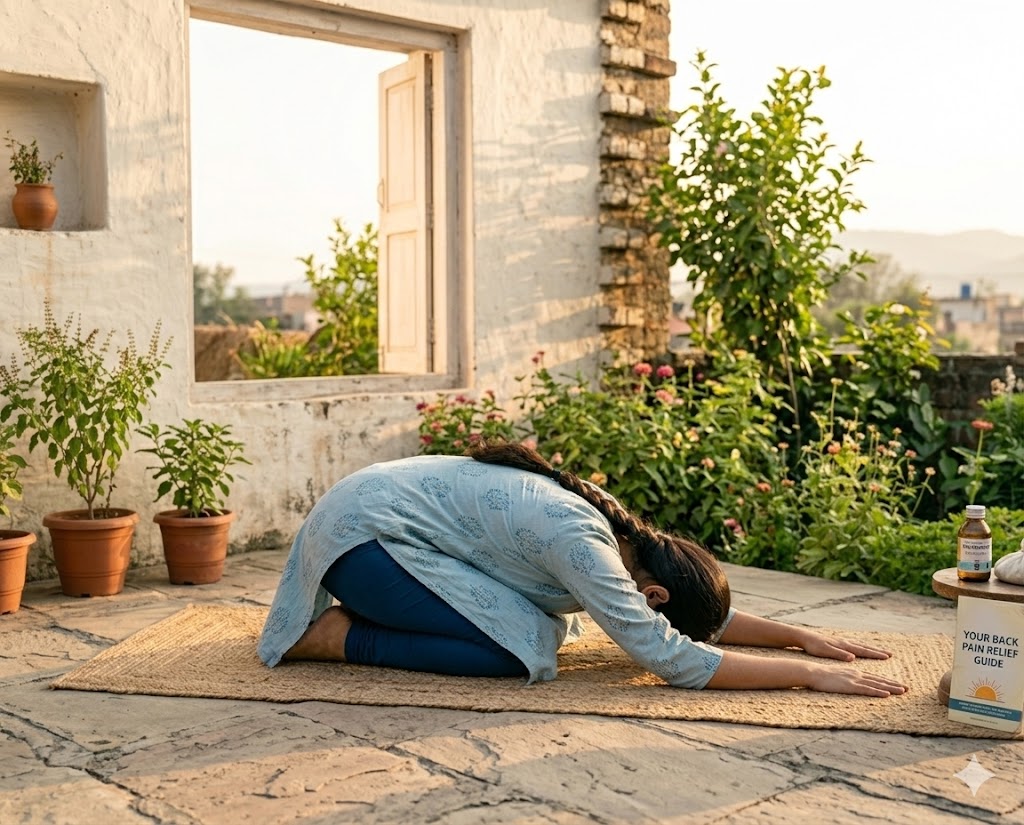
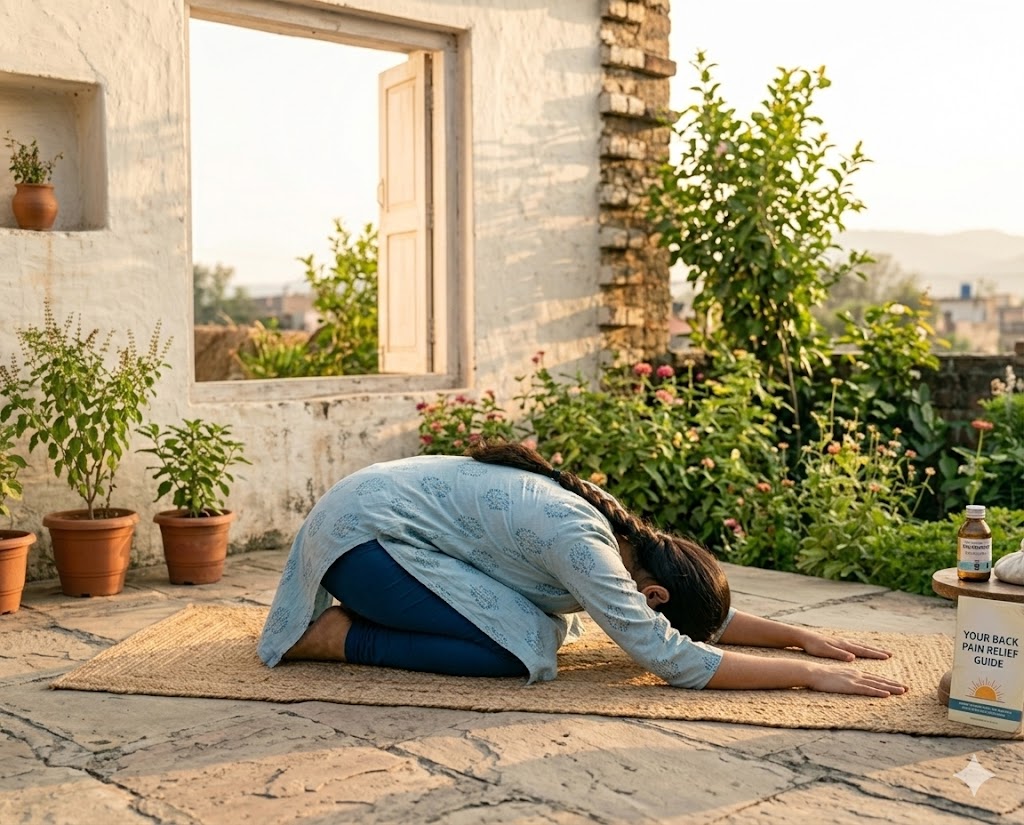
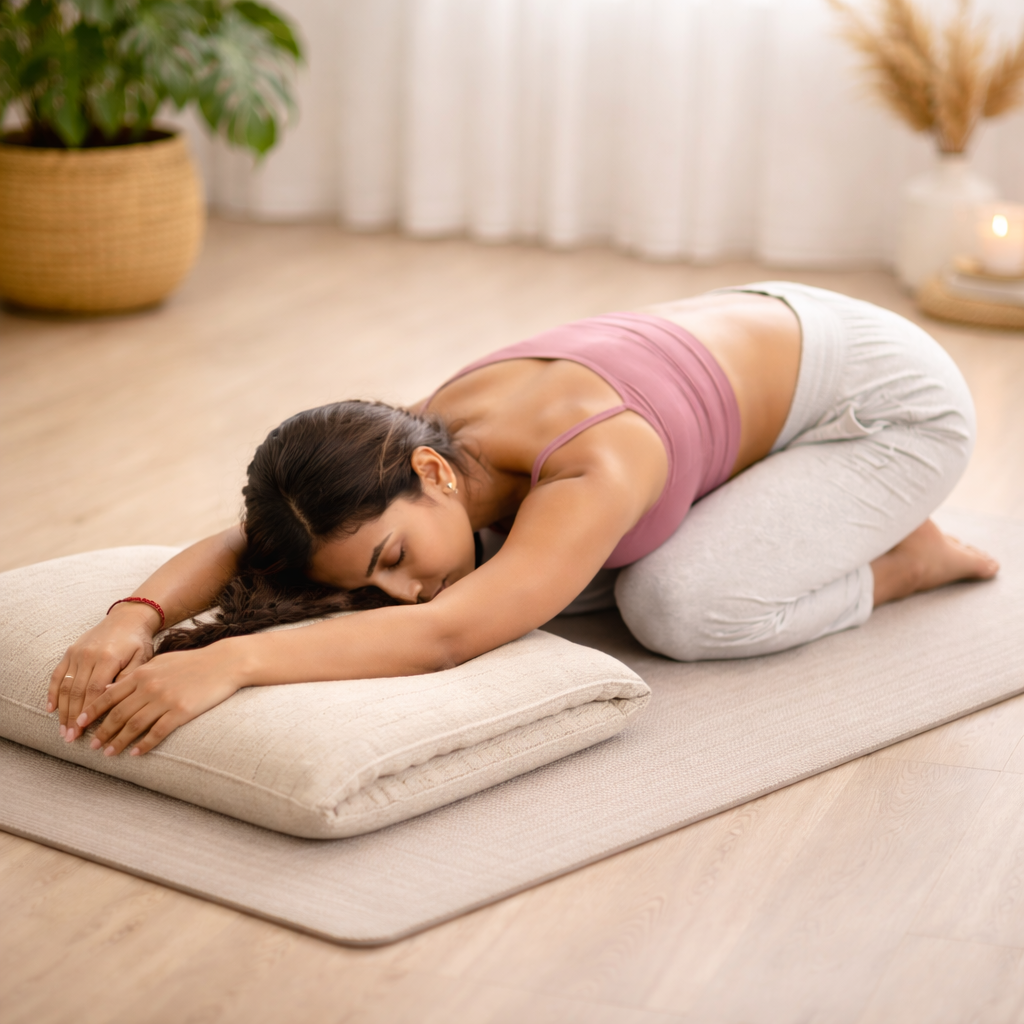
Child’s Pose
This posture creates containment and safety. Resting the forehead down naturally calms the mind and slows breath.
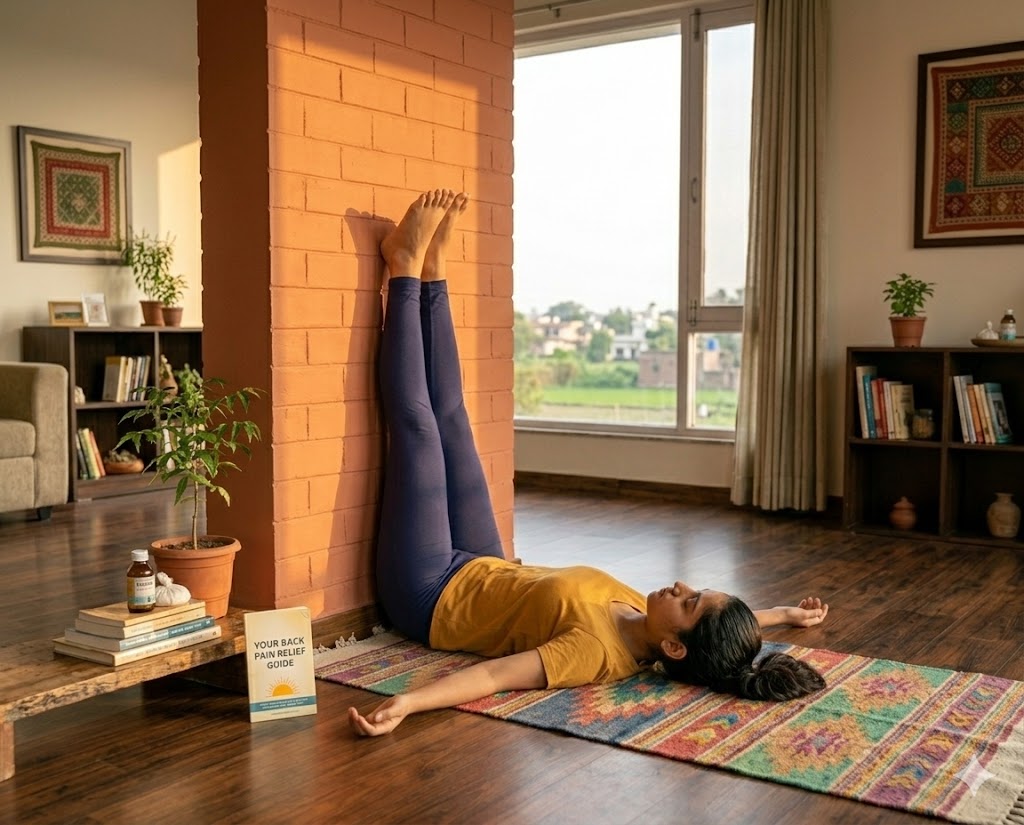
Child’s Pose
This posture creates containment and safety. Resting the forehead down naturally calms the mind and slows breath.
Child’s Pose
This posture creates containment and safety. Resting the forehead down naturally calms the mind and slows breath.
Child’s Pose
This posture creates containment and safety. Resting the forehead down naturally calms the mind and slows breath.
Child’s Pose
This posture creates containment and safety. Resting the forehead down naturally calms the mind and slows breath.
Child’s Pose
This posture creates containment and safety. Resting the forehead down naturally calms the mind and slows breath.
Child’s Pose
This posture creates containment and safety. Resting the forehead down naturally calms the mind and slows breath.
Child’s Pose
This posture creates containment and safety. Resting the forehead down naturally calms the mind and slows breath.
Child’s Pose
This posture creates containment and safety. Resting the forehead down naturally calms the mind and slows breath.
10 Minute Yoga for Anxiety When You Feel Overwhelmed
When anxiety feels intense, long sessions may feel unrealistic. A 10 minute yoga for anxiety practice can be enough.
Start with three minutes of extended exhale breathing.
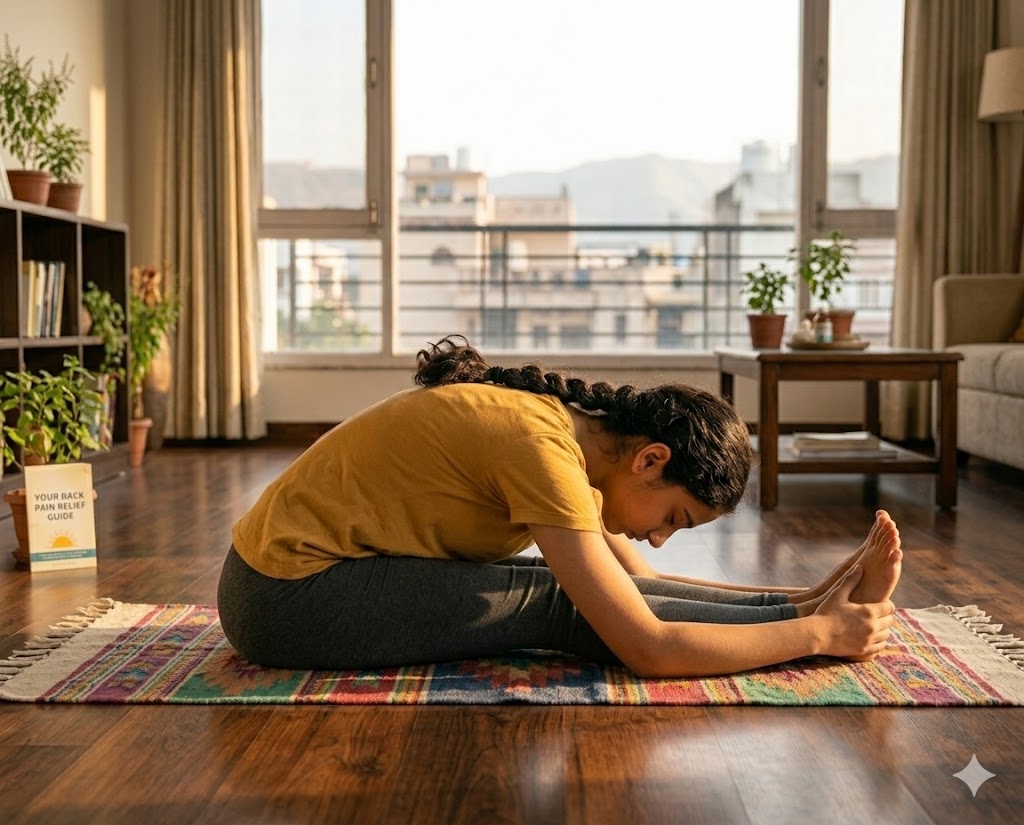
Move into gentle forward folding for three minutes.
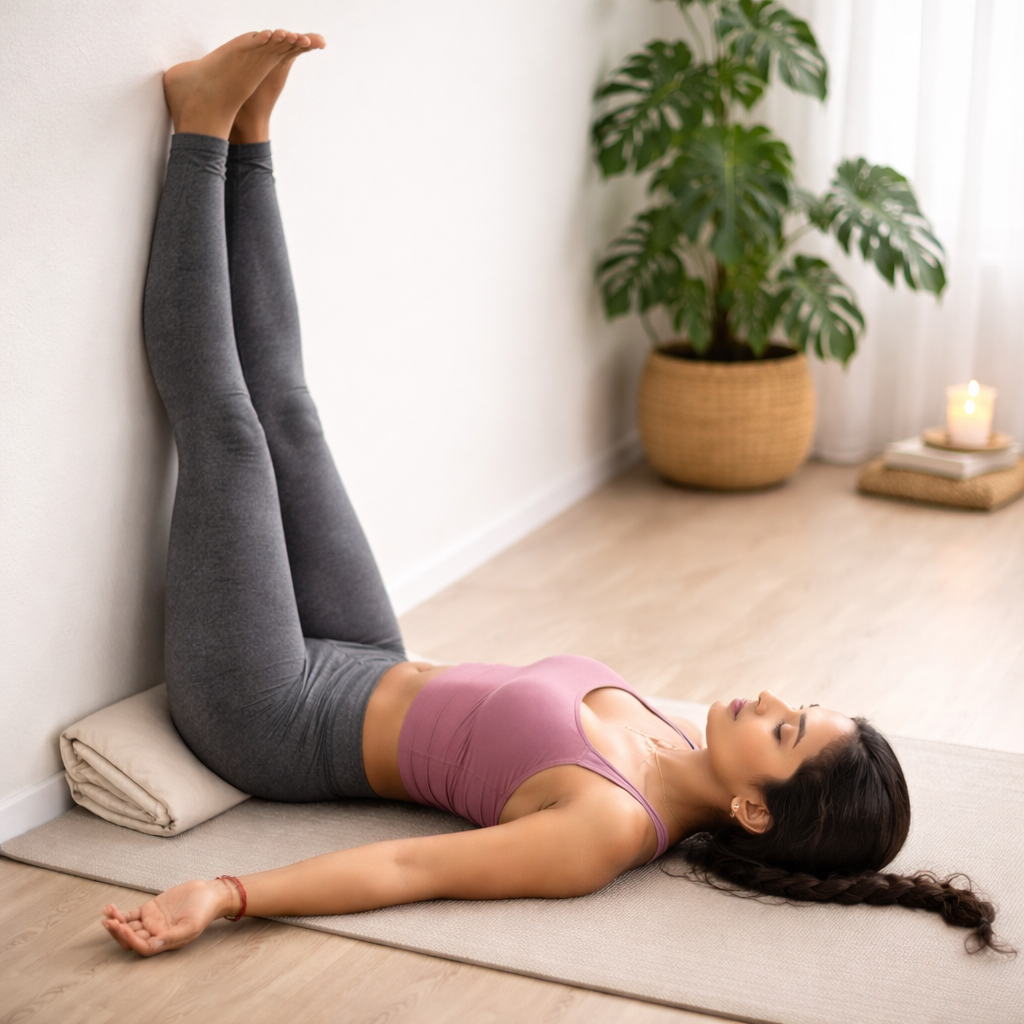
Finish with four minutes of supported rest.
Small consistent practices are often more effective than occasional long sessions.
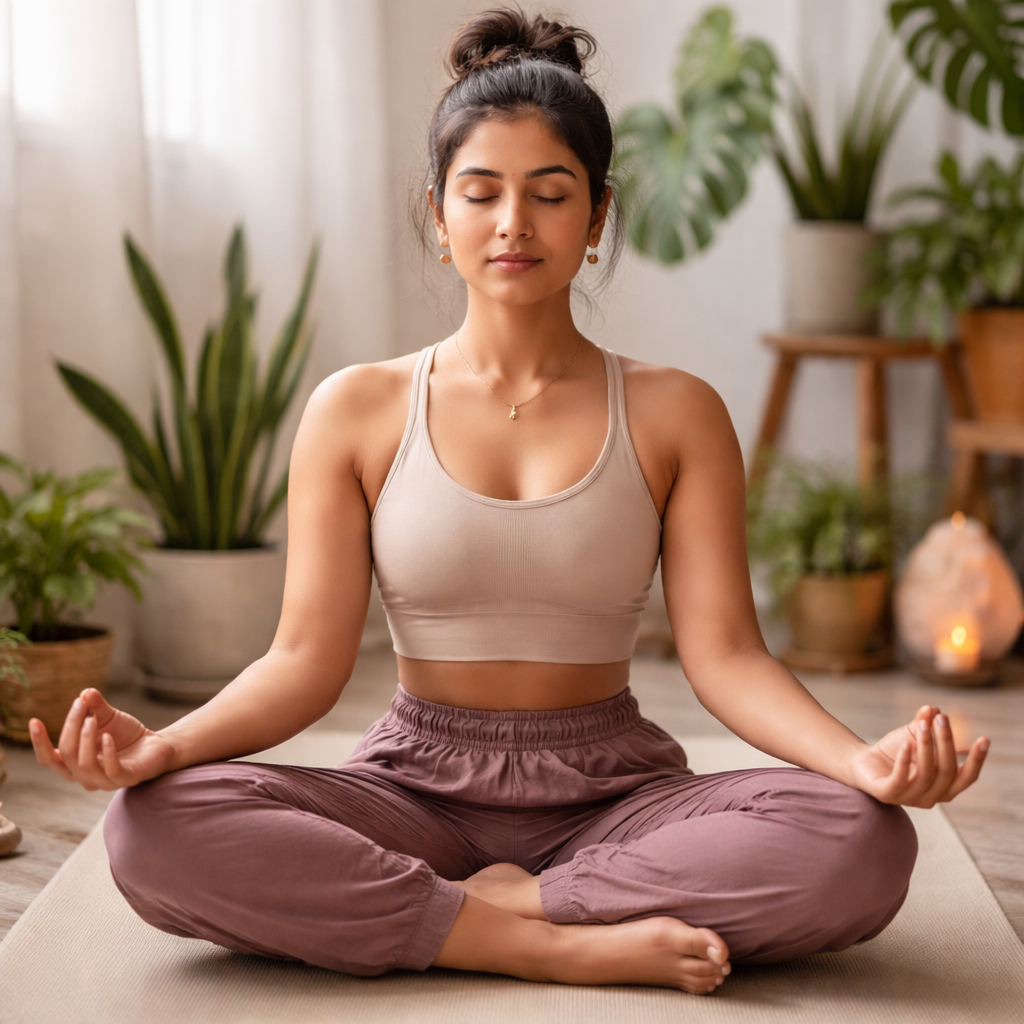
Morning Yoga for Anxiety Relief
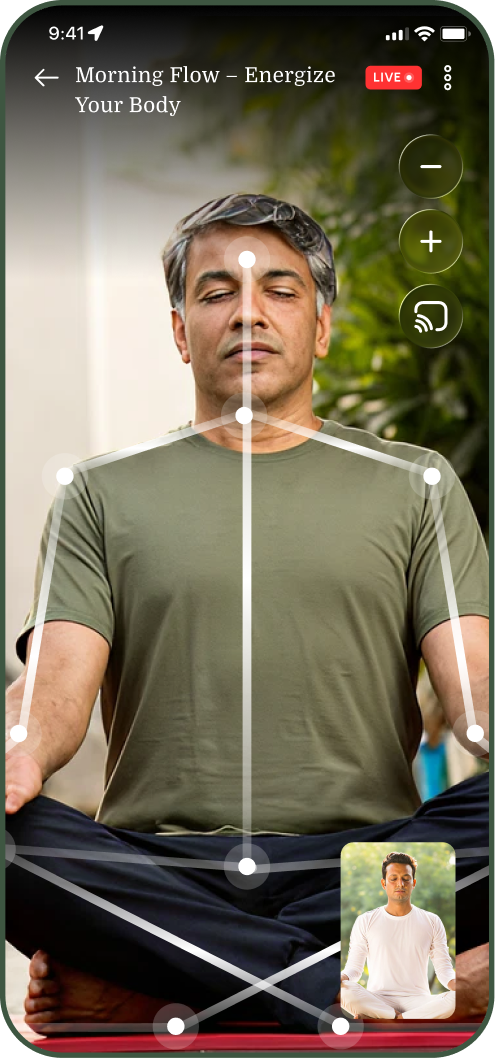
Anxiety often spikes in the morning due to the natural rise in cortisol levels. Instead of reaching for your phone immediately, consider a short Morning yoga for anxiety relief sequence.
Begin seated and take five slow breaths.
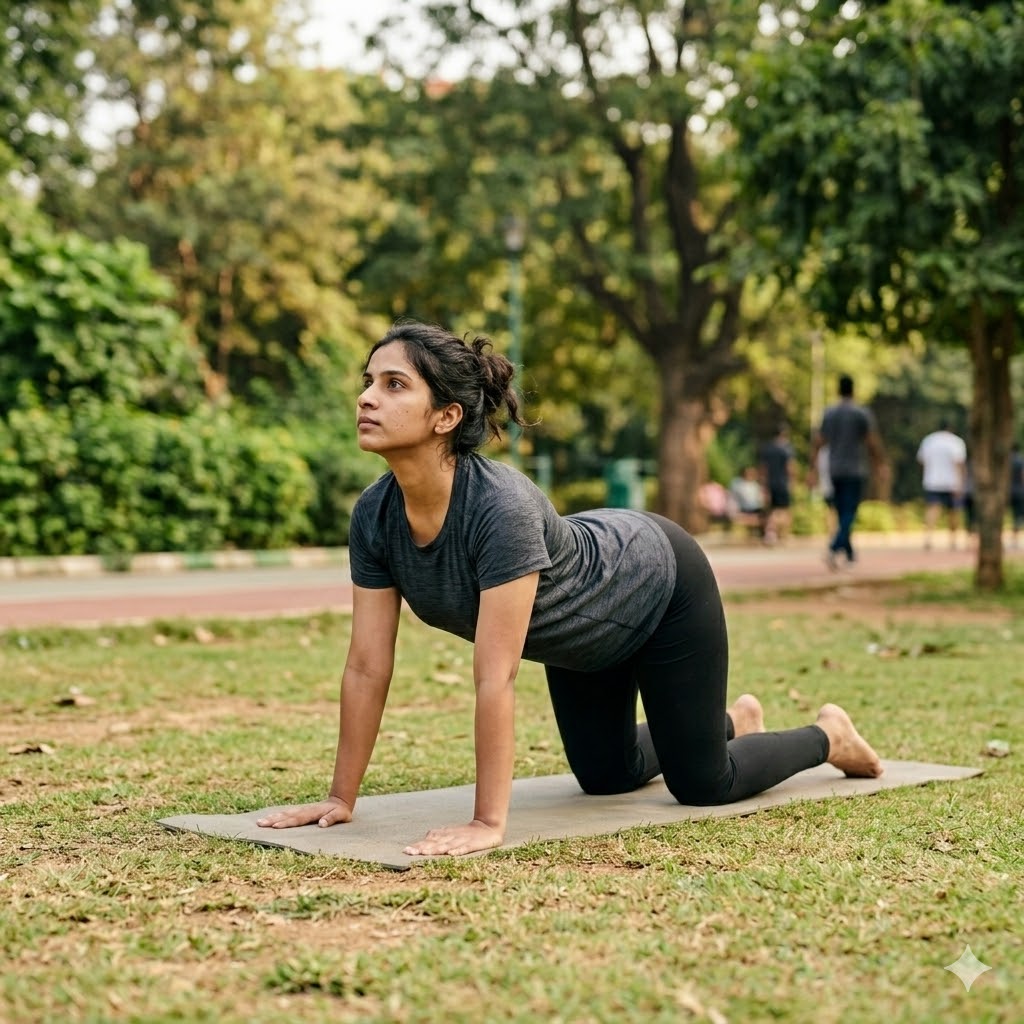
Move into gentle spinal movement.
Stand and perform slow forward folds.
Finish with one minute of stillness.
Starting the day with grounded breath sets a different tone for everything that follows.
The Emotional Layer of Anxiety
Anxiety is not only about stress. It can also be connected to suppressed emotions, high self expectations, overthinking, and a deep desire to control outcomes.
The body holds these patterns.
Yoga creates a safe environment to release tension without forcing emotional analysis. Slow movement allows feelings to surface gently. Rest allows integration.
Sometimes the hardest part is staying present with sensation. With guidance and consistency, the body learns that it is safe to soften.
When to Seek Professional Support
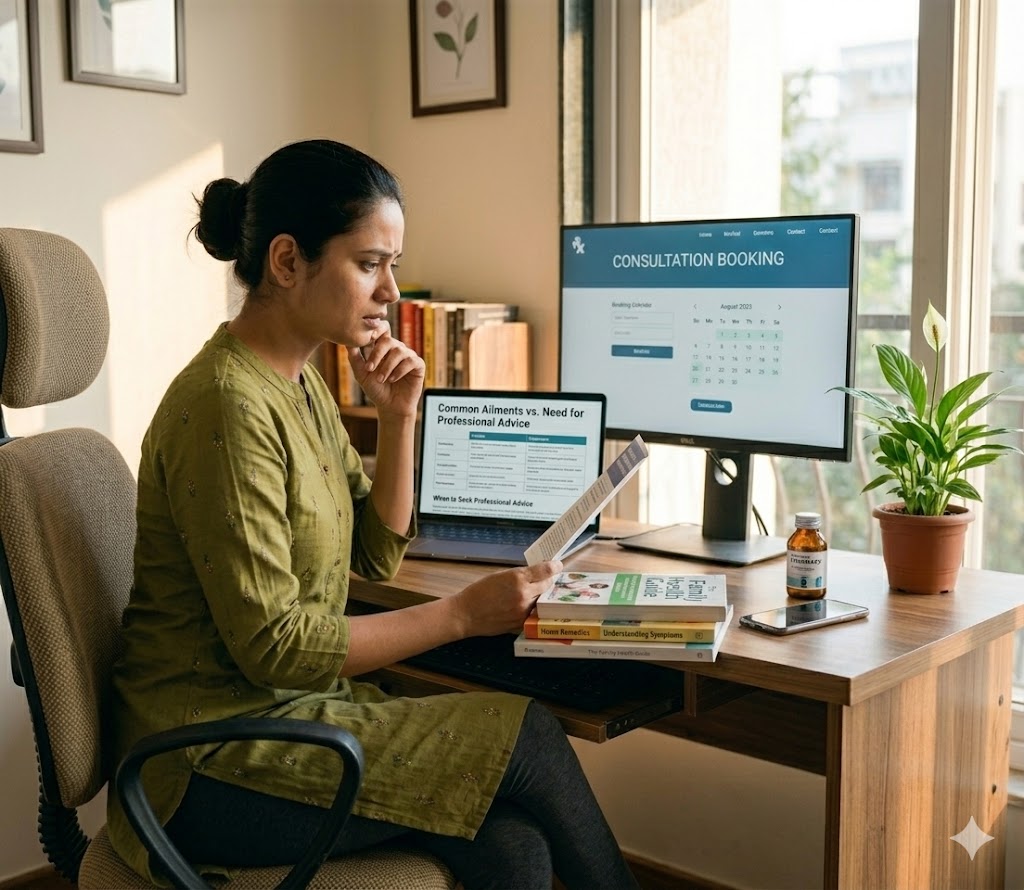
Yoga is powerful, but it is not a replacement for medical or psychological care when needed.
If anxiety includes severe panic attacks, persistent insomnia, depression, or intrusive thoughts, professional support is essential.
Yoga works beautifully alongside therapy and medical guidance. They are not opposing paths. They can complement each other.
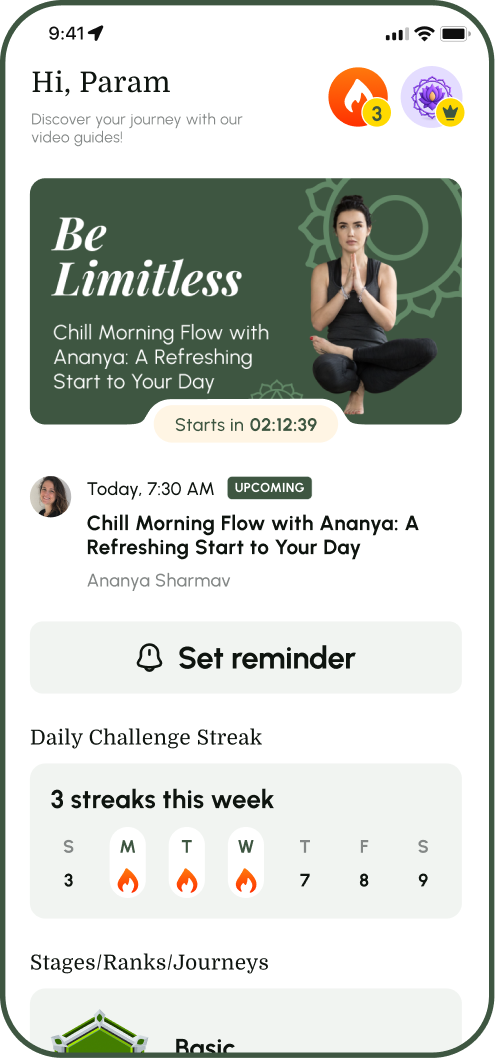
Begin Your Journey Toward Calm with Yogain Wellness
Anxiety does not mean you are broken. It means your nervous system has been carrying too much for too long.
At Yogain Wellness, our approach to Yoga for Anxiety focuses on breath led movement, nervous system regulation, and sustainable calm. We do not push intensity. We guide you back to steadiness.
Through structured sessions designed for real life, you can build a consistent practice that feels safe and supportive. Whether you need short grounding practices or longer guided sessions, we are here to support you.
You do not need to force calm. You can learn it gently.
Your body already knows how to relax. Yoga simply helps you remember.




Who Can Try Yoga for Anxiety and Emotional Balance

Students today often deal with constant pressure from studies, exams, and digital distractions. Over time, this stress can turn into persistent worry, restlessness, or difficulty concentrating. Practicing Yoga for Anxiety helps students slow down their breathing, release physical tension, and regain mental clarity. Even a short daily practice can help create balance between study demands and emotional wellbeing.

Many professionals spend long hours working at desks, handling deadlines, and staying connected to screens throughout the day. This constant mental stimulation can make anxiety feel harder to manage. A simple yoga routine for anxiety can help release accumulated stress, relax tight shoulders, and calm the nervous system after demanding workdays. Regular practice supports focus, energy, and emotional resilience.
Anxiety can affect anyone at different stages of life. Racing thoughts, shallow breathing, and physical tension often build up without us noticing. Gentle movement combined with breathing exercises for anxiety can help slow the mind and create a sense of safety within the body. Even practices like a 10 minute yoga for anxiety session or a short Morning yoga for anxiety relief routine can gradually restore calm and emotional balance.


Safety Information
If you are experiencing severe anxiety, panic attacks, recent injuries, or other medical concerns, it is important to consult a qualified healthcare professional before starting yoga for anxiety. Movements should remain gentle and controlled, and the focus should stay on slow breathing and safe body awareness rather than pushing through discomfort.
This program is intended for learning and supportive wellbeing practices. It does not replace medical advice, therapy, or professional treatment when it is required.
Frequently Asked Questions
1. Does yoga really help anxiety?
Yes, yoga can help regulate the nervous system, which plays a central role in anxiety. Slow breathing, mindful movement, and grounding postures activate the parasympathetic response, helping the body shift out of fight or flight mode. While yoga is not a replacement for medical care when needed, it can be a powerful complementary practice for long term emotional balance.
2. Which yoga is best for anxiety?
Gentle, slow paced practices are often most effective for Yoga for Anxiety. Restorative yoga, Hatha yoga, and breath focused sessions help calm the body rather than stimulate it. The key is choosing movement that feels safe and grounding rather than intense or fast.
3. How long does yoga take to reduce anxiety?
Some people feel calmer after just one session, especially when focusing on breathing techniques. However, lasting changes usually come from consistent practice over several weeks. Like any habit that retrains the nervous system, regular repetition creates deeper and more sustainable results.
4. Can yoga to calm anxiety work during a panic episode?
In moments of acute panic, stillness and breathing are usually more helpful than complex movements. Simple yoga to calm anxiety techniques such as extended exhale breathing or Child’s Pose can provide immediate grounding support. The goal is to reduce stimulation, not increase effort.
5. Are breathing exercises enough to manage anxiety?
Breathing exercises alone can be very powerful because breath directly influences the nervous system. Practices that lengthen the exhale or create gentle vibration can quickly reduce physical tension. Combining breath with mindful movement often enhances the overall effect.
6. What breathing exercises for anxiety are most effective?
The most effective breathing exercises for anxiety include extended exhale breathing, alternate nostril breathing, and humming breath. These techniques slow heart rate, calm mental chatter, and support emotional regulation. Practicing them daily, even for a few minutes, can make a noticeable difference.
7. Is yoga safe for people with chronic anxiety?
Yes, when practiced gently and mindfully, yoga is generally safe for people experiencing chronic anxiety. It is important to avoid overstimulating styles and to focus on grounding sequences. Listening to your body and progressing gradually is key.
8. What does a yoga routine for anxiety look like?
A typical yoga routine for anxiety includes slow breathing, gentle spinal movements, forward folds, and supported resting poses. The emphasis is on steady rhythm and calming transitions rather than physical intensity. Sessions can be as short as ten minutes and still be effective.
9. Can beginners practice yoga for anxiety at home?
Absolutely. Many anxiety friendly practices are simple and require minimal space. Starting with guided sessions can help build confidence and ensure proper pacing. Consistency matters more than complexity.
10. Does a 10 minute yoga for anxiety practice really help?
Yes, a 10 minute yoga for anxiety session can be surprisingly effective. Short, focused practices that include breathing and gentle movement can interrupt stress cycles and reset the nervous system. Small daily practices often create more impact than occasional long sessions.
Begin Your Journey Toward Calm and Balance
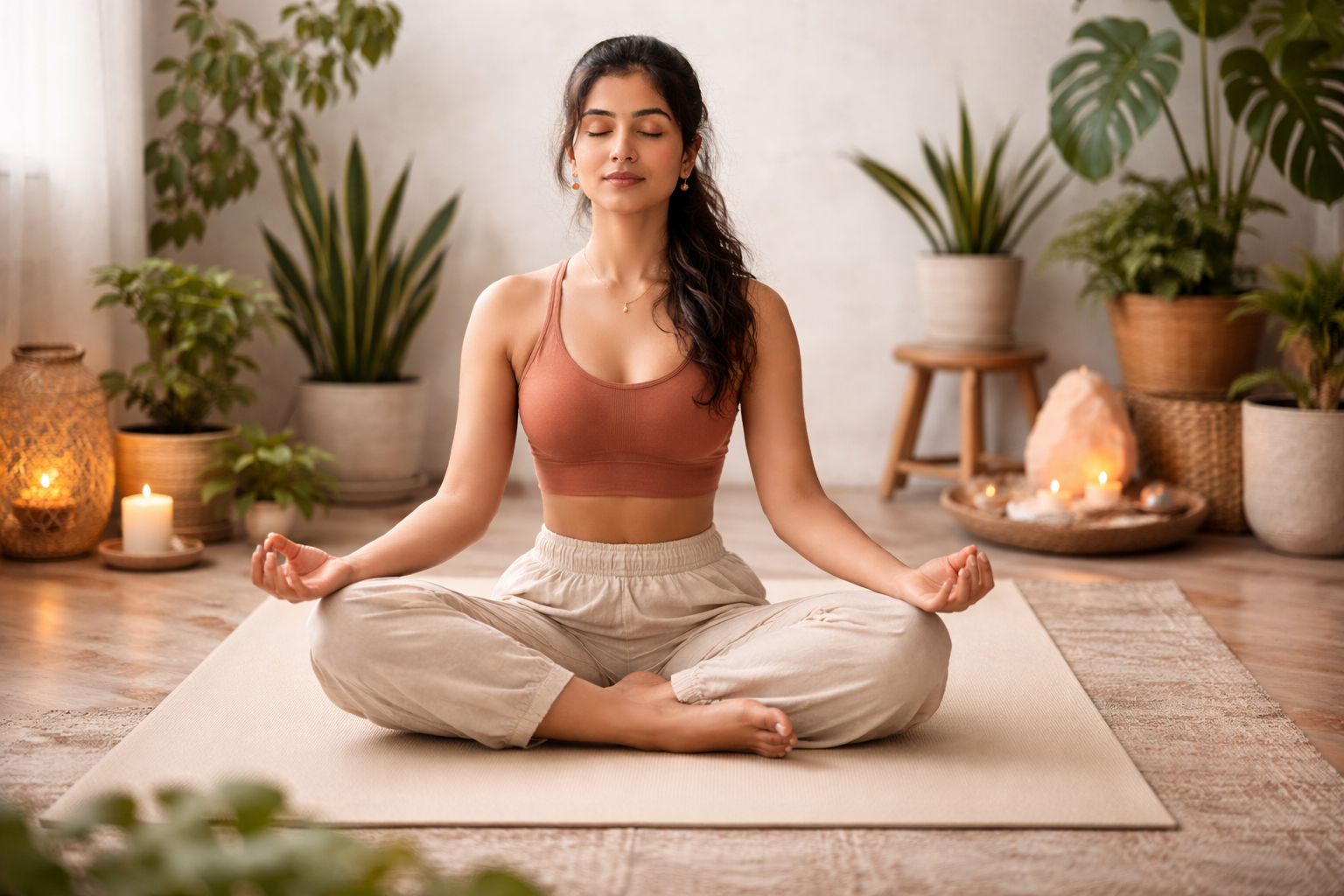
Anxiety can ease when the body learns how to slow down and breathe again. With consistent practice, yoga for anxiety can help support a calmer nervous system and create space for steadier thoughts and emotions.
Through guided movement, gentle breathwork, and mindful awareness, yoga offers a simple way to reconnect with your body and reduce daily stress.
Begin Your Anxiety Relief Journey Today.