
 Back to blogs
Types of Yoga Asanas With Their Benefits for Mind & Body
 Manisha
What Are Yoga Asanas?
Have you ever opened a yoga app or video and thought, “There are so many poses… where do I even start?” You’re not alone. With hundreds of yoga postures out there, it is easy to feel lost especially if you are new to yoga or returning after a break.
When you don’t understand what each pose is meant to do, you might miss out on its real benefits or struggle to build a balanced practice. Some poses energize you, some calm your mind, and others strengthen parts of your body you didn’t even know needed attention.
That’s why this guide exists.
Here, you’ll learn about the different types of asanas, what they’re designed for, and how they fit into a complete Yoga Practice for Beginners. We’ll walk you through each category in a simple, beginner-friendly way so you can move with clarity and confidence, whether you’re practicing at home or in a class.
Types of Yoga Asanas and What They Are Used For
Yoga is more than just stretching; each pose has a different function and works on your body, mind, and spirit. Knowing the categories helps you pick the correct poses for your goals and keeps your practice balanced.
Let’s explore the main types of yoga asanas and why you might choose them.
1. Standing Yoga Poses
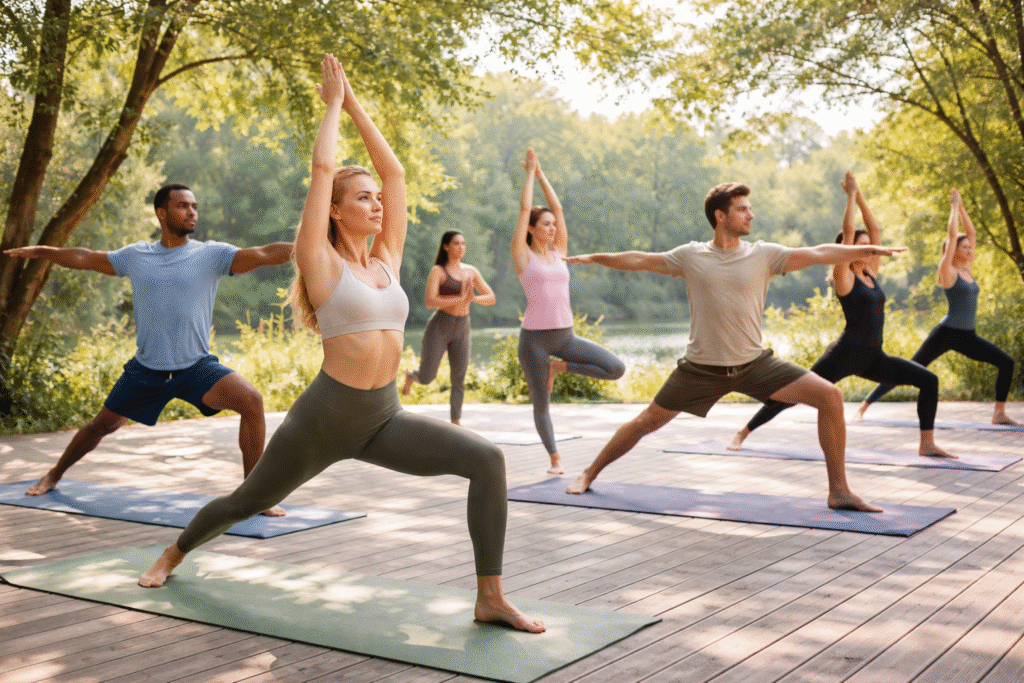
Examples: Tadasana (Mountain), Trikonasana (Triangle), Vrikshasana (Tree).
Why they matter:
Standing asanas build strength, balance, and stability. They engage multiple muscle groups and help you feel grounded in your body. These poses improve posture and create a strong base for your entire practice.
Reach for standing poses when you feel scattered, weak, or off-balance, they bring you back to center.
2. Seated Yoga Poses
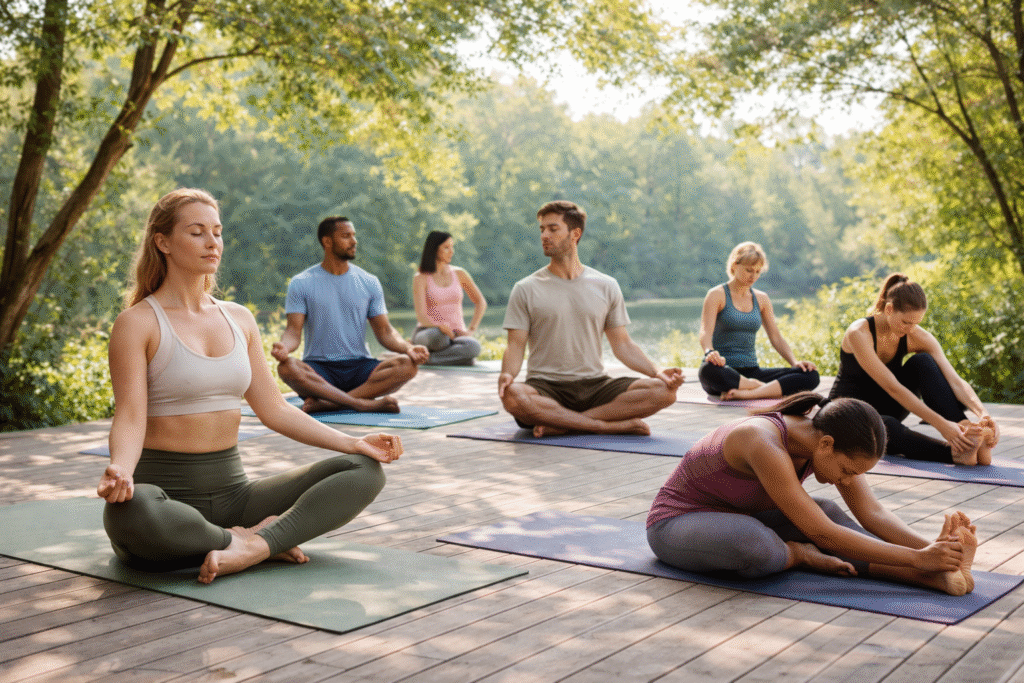
Examples: Padmasana (Lotus), Sukhasana (Easy Pose)
Why they matter:
Seated poses are ideal for meditation and breathwork. They gently open the hips and spine while encouraging stillness and awareness. These asanas are perfect when you need to slow down and reconnect with your breath.
3. Forward Bends
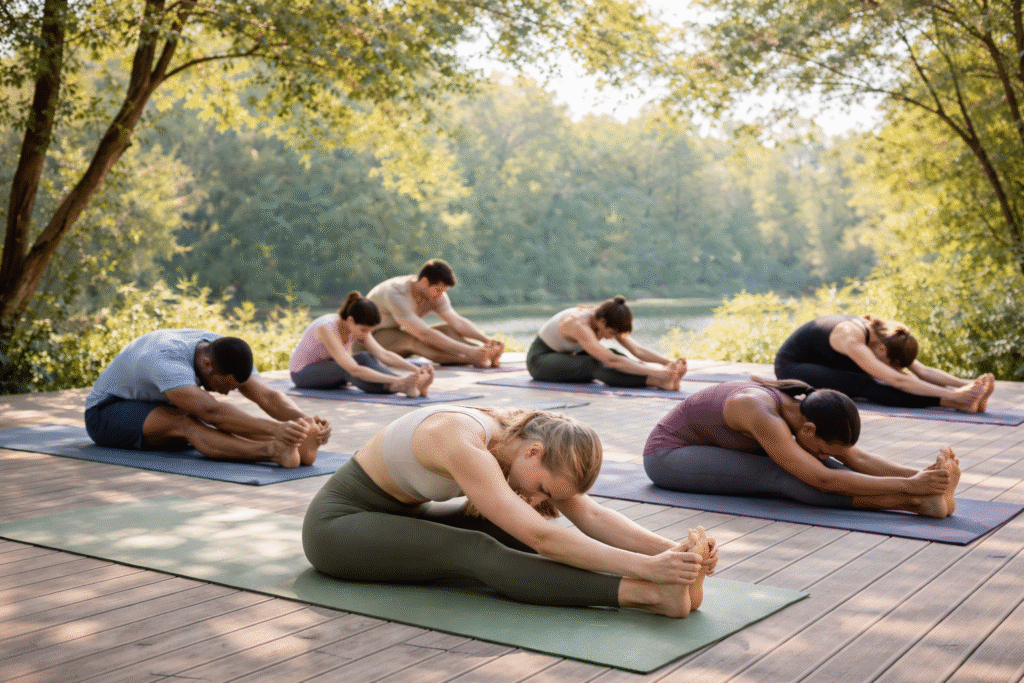
Examples: Paschimottanasana, Uttanasana, Janu Sirsasana
Why they matter:
Forward bends calm the nervous system. They stretch the hamstrings, lower back, and spine, releasing built-up tension. These poses are deeply introspective, perfect for stressful days.
Tip: Use blocks or bend your knees to stay comfortable and avoid strain.
4. Backbends
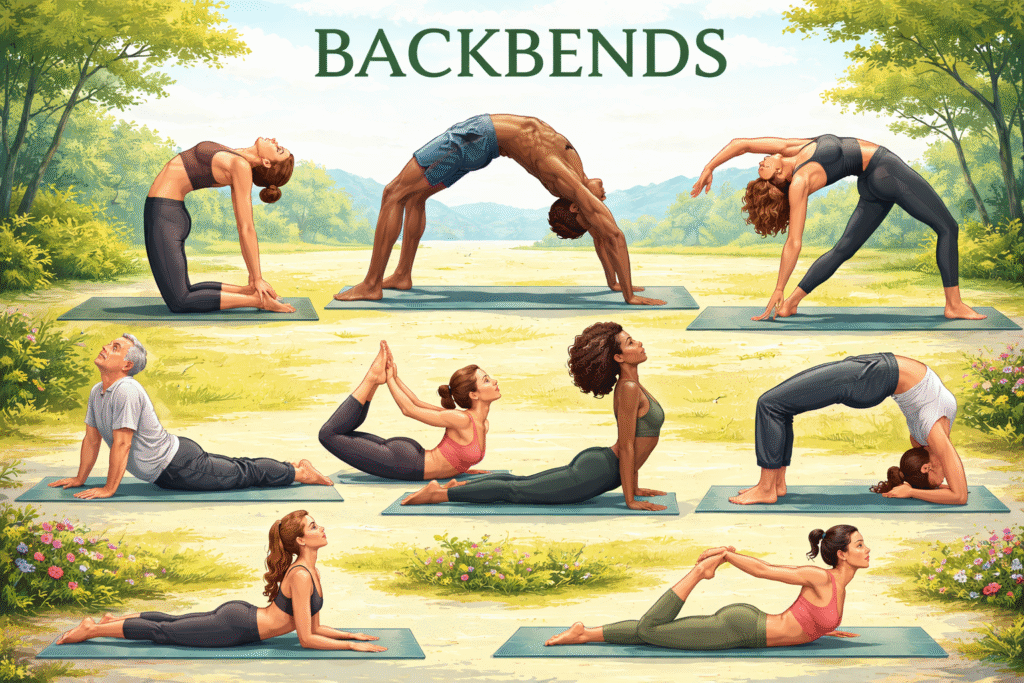
Examples: Bhujangasana (Cobra), Ustrasana (Camel), Sphinx Pose
Why they matter:
Backbends are energizing and heart-opening. They improve spinal flexibility, strengthen back muscles, and counter the effects of long hours of sitting. Choose these poses when you feel low on energy or stiff from desk work.
5. Inversions
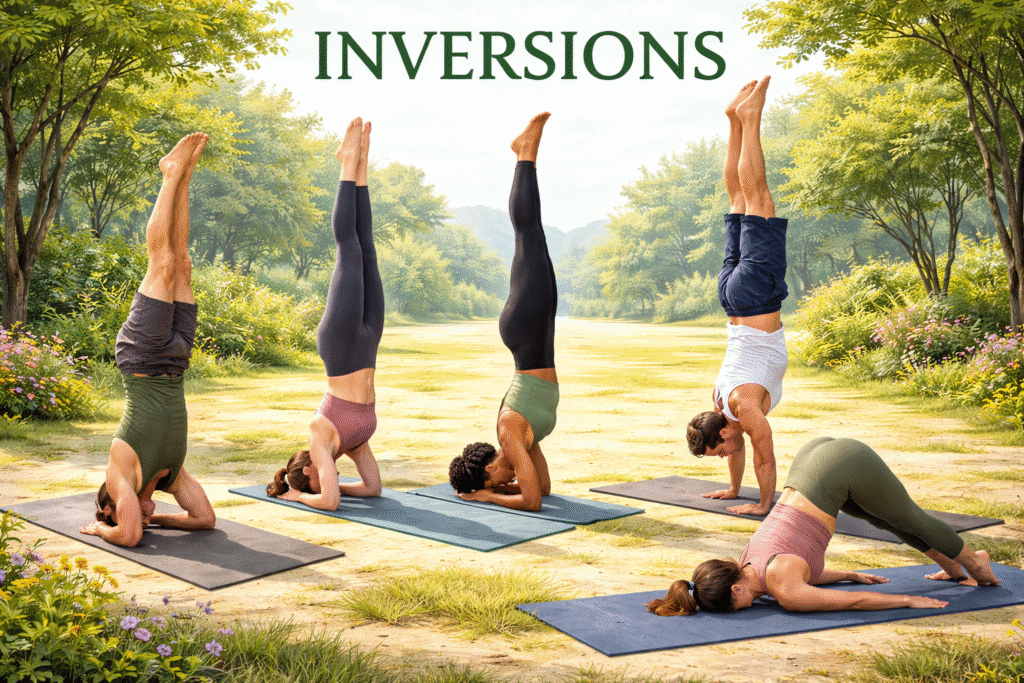
Examples: Downward Dog, Shoulder Stand, Handstand
Why they matter:
Inversions refresh both body and mind. They boost circulation, sharpen focus, and build confidence. Even gentle inversions like Downward Dog can feel uplifting and empowering.
6. Twists
Examples: Chair Twist, Ardha Matsyendrasana, Marichyasana III
Why they matter:
Twists improve spinal mobility, ease back tension, and support digestion. They gently massage internal organs and help your body feel lighter and more balanced.
Must Read: Yoga Is Not About Poses. It Is About Feeling Again
Top 10 Yoga Asanas With Their Benefits
Practicing the different types of yoga asanas regularly can transform your body, mind, and spirit. Whether you are a beginner or an experienced yogi, incorporating these types of asanas into your routine can boost flexibility, strength, and mental clarity.
Here’s a simple guide to the top 10 yoga asanas and what each can do for you:
- Tadasana (Mountain Pose): Improves posture, enhances stability, and grounds your body and mind. Great as a starting pose to align yourself for any yoga session.
- Adho Mukha Svanasana (Downward Dog): Stretches the entire body while strengthening arms, legs, and core. A full-body energizer perfect for morning routines.
- Bhujangasana (Cobra Pose): Opens the chest, strengthens the spine, and relieves tension in the back. Ideal for counteracting long hours of sitting.
- Vrikshasana (Tree Pose): Builds balance, concentration, and focus. Helps you develop steadiness both physically and mentally.
- Trikonasana (Triangle Pose): Strengthens legs and core while stretching the body. Enhances overall flexibility and posture.
- Parivritta Utkatasana (Chair Twist): Boosts core strength, tones muscles, and improves spinal mobility. Perfect for building strength and detoxifying the body.
- Sarvangasana (Shoulder Stand): Supports circulation, calms the nervous system, and improves focus. Known as the “queen of asanas” for its holistic benefits.
- Ustrasana (Camel Pose): Opens the heart, energizes the body, and improves posture. A great energizing pose for midday practice.
- Padmasana (Lotus Pose): Ideal for meditation, promoting calm, focus, and mental clarity. A must for mindfulness practice.
- Savasana (Corpse Pose): Encourages deep relaxation, reduces stress, and restores energy after your yoga session.
Ready to Start Your Yoga Journey?
Join Yogain Wellness and access live and on-demand classes for all levels. Beginner-friendly flows to advanced routines, achieve your wellness goals anytime, anywhere.
Different Types of Asanas for Multiple Goals
We all have poses we love, and ones we secretly dread. But every asana serves a purpose. Here’s how to choose based on your goal:
Restorative Asanas for Relaxation:
Example Poses:
- Balasana (Child’s Pose)
- Supta Baddha Konasana (Reclining Bound Angle Pose)
These poses are like a warm hug for your nervous system. They invite your body to slow down and your mind to soften. Restorative asanas are perfect after a long day, during emotional fatigue, or whenever life feels overwhelming.
Benefits:
- Calm the mind
- Reduce stress and anxiety
- Reset the nervous system
- Encourage deep rest and recovery
Asanas For Strength Building
Poses Examples: Virabhadrasana (Warrior Pose), Chaturanga Dandasana, Adho Mukha Svanasana (Downward-Facing Dog)
These poses challenge you in the best way. They build heat, endurance, and inner confidence. Strength-based asanas remind you that you’re capable of more than you think—both on and off the mat.
Benefits:
- Strength Asana Build muscle endurance.
- Strengthen the core and upper body
- It Improve stability and posture
- It Boost confidence and resilience
Asanas For Flexibility
These poses gently open tight areas that hold stress hips, hamstrings, and the spine. They teach you to breathe into resistance and let go, one stretch at a time.
Examples: Seated Forward Bend, Spinal Twists
- Improve overall flexibility
- Release stiffness in the back and hips
- Enhance spinal mobility
- Support healthy posture and movement
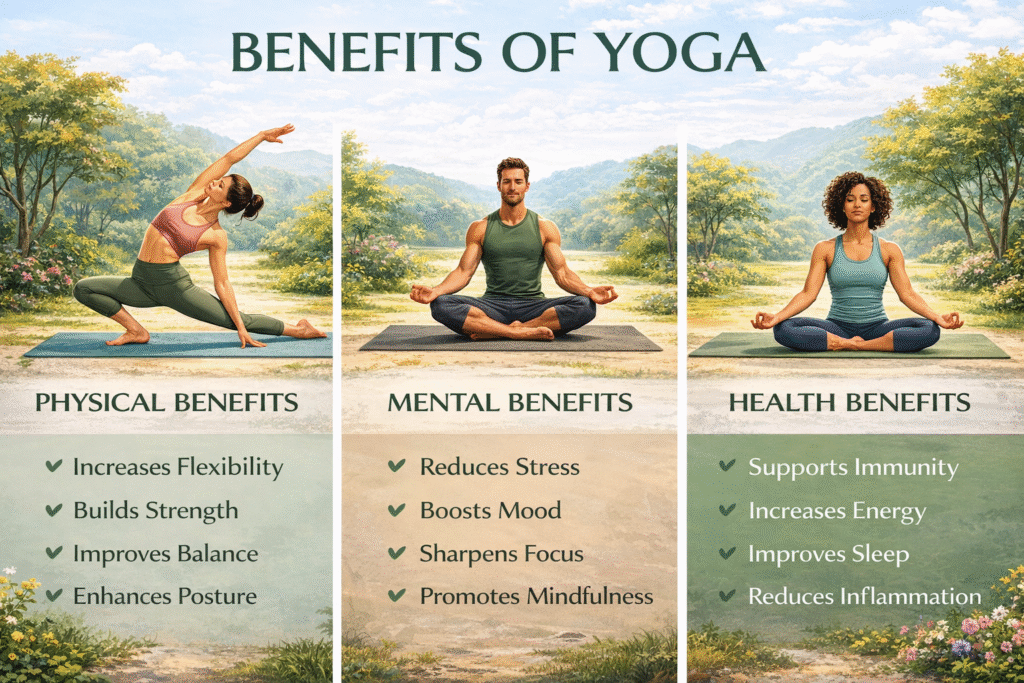
Understanding the True Benefits of Yoga Asanas
I remember a student who joined my class saying, “I don’t want to become flexible. I just want my mind to stop racing.” She could barely sit still for two minutes.
On her first day, Child’s Pose felt uncomfortable. Her back was stiff, her thoughts louder than the room. But she stayed. She breathed. The next week, she stayed a little longer. A month later, she told me something beautiful: “My body still feels tight, but my mind feels lighter.”
That is yoga.
Asanas are not just physical shapes. They are pauses in your day. They teach your body to release and your mind to slow down. With time, you begin to stand taller, breathe deeper, and respond to stress instead of carrying it.
Physical Benefits
- Increased strength and flexibility
- Better posture and balance
- Improved circulation and overall fitness
Mental & Emotional Benefits
- Reduced stress and anxiety
- Sharper focus and mental clarity
- Better mood and emotional resilience
Inner & Mindful Benefits
- Stronger mind–body connection
- Greater self-awareness
- A sense of calm, grounding, and inner peace
Every asana you practice easily or challenging adds a layer to your growth. And that’s what makes yoga powerful: it meets you exactly where you are and helps you move forward, one breath at a time.
Choose the Right Yoga Asanas for Your Goals
Starting yoga can feel confusing so many poses, so many styles, and no clear place to begin. The truth is, there’s no “perfect” sequence. The right asanas are the ones that meet your body, energy, and intention today.
Here’s a simple way to find your starting point:
Yoga Asanas For Beginners
Begin with foundational asanas that feel safe and supportive. These build body awareness and confidence without overwhelm:
- Tadasana (Mountain Pose) – improves posture and grounding
- Adho Mukha Svanasana (Downward Dog) – stretches and strengthens the whole body
- Balasana (Child’s Pose) – restores and calms
- Cat–Cow – gently warms the spine
These poses are easy to learn, effective, and form a strong base for every future practice.
Yoga Asanas For Goal-Setters
Let your intention guide your mat time.
- Want more flexibility? Add forward bends and hip openers.
- Building strength? Flow through Sun Salutations and hold standing poses.
- Need calm? Choose slow, restorative asanas.
When you know why you’re practicing, choosing the right types of yoga asanas becomes effortless.
Yoga Asanas For Curious Explorers
Yoga isn’t one-size-fits-all. Try different styles and let your body decide:
- Vinyasa or Rocket for energy and flow
- Hatha or Iyengar for structure and alignment
- Yin for deep release and stillness
Each style reveals a new side of your practice.
Beginner Tip: Start small 10 minutes, three times a week. A few rounds of Sun Salutations, Cat–Cow, Tree Pose, and Savasana are enough to build consistency without pressure.
Make Your Practice Work for You
- Clarify your goal: Strength, flexibility, stress relief, or balance your “why” shapes your asanas.
- Honor your body: Tight hamstrings or sensitive knees? Use blocks, straps, and modifications. Yoga is about working with your body, not against it.
- Experiment freely: If one style doesn’t resonate, try another. Your ideal practice evolves with you.
Final Words: Start Your Yoga Journey Here
Yoga asanas offer something for everyone: strength for the body, calm for the mind, and balance for life. Some days you may need restorative poses to unwind. Other days, a few rounds of Sun Salutations, twists, and backbends will lift your energy. When resilience is your goal, standing poses and core-focused asanas become your allies.
The beauty of yoga is that it grows with you. There’s no finish line, only progress, presence, and possibility.
Ready to explore different types of asanas and yoga styles? With YogaIn Wellness, an online AI yoga classes app, you can access guided sessions for every level and goal, whether you want an energizing flow, a deep stretch, or a quiet moment to breathe. Roll out your mat and begin today.

FAQs:
Q1: How long should I hold each asana?
Beginners can hold most poses for 3–5 breaths. Restorative poses may be held for 1–5 minutes for deeper relaxation.
Q2: Are there any age limits for practicing yoga?
Yoga is for every age. With proper guidance and modifications, anyone can practice safely.
Q3: What are the 12 types of asanas?
A: The 12 types of yoga asanas include Standing, Forward Bends, Backbends, Twists, Balances, Inversions, Seated, Supine, Prone, Core, Restorative, and Meditative Poses, each boosting flexibility, strength, and calmness.
Q4: What are the 4 types of asanas in yoga?
A: The four types of yoga asanas are Standing, Sitting, Lying, and Inverted Poses, designed to improve posture, balance, and overall wellness.
Q5: What are the 4 main yogas?
A: The four main yogas are Karma (action), Bhakti (devotion), Jnana (knowledge), and Raja (meditation), guiding you toward inner peace and spiritual growth.
Q6: What are the 7 types of yoga?
A: The seven popular yogas are Hatha, Vinyasa, Ashtanga, Kundalini, Iyengar, Bikram, and Yin Yoga, each offering unique benefits for strength, flexibility, and mindfulness.
Explore more blogs
View all blogs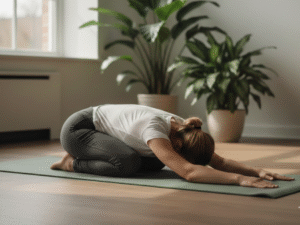
February 18, 2026
Child’s Pose (Balasana): 12 Powerful Health Benefits, How to Do It & Precautions
If you have ever taken a moment in a yoga practice to pause and rest your forehead on the mat, you have likely experienced Child’s Pose (Balasana)...

February 12, 2026
Is Upper Back Pain a Sign of Cancer? Signs, Causes, and What to Know
Experiencing upper back pain can feel unsettling, especially when questions like “is upper back pain a sign of cancer” start to surface. It’s...

January 22, 2026
Online Yoga Classes and Apps for Beginners in 2026
When I first decided to start yoga at home, I thought it would be simple. Download an app, roll out a mat, and follow along. But within a few days, I ...