
 Back to blogs
Child’s Pose (Balasana): 12 Powerful Health Benefits, How to Do It & Precautions
 jai
jai 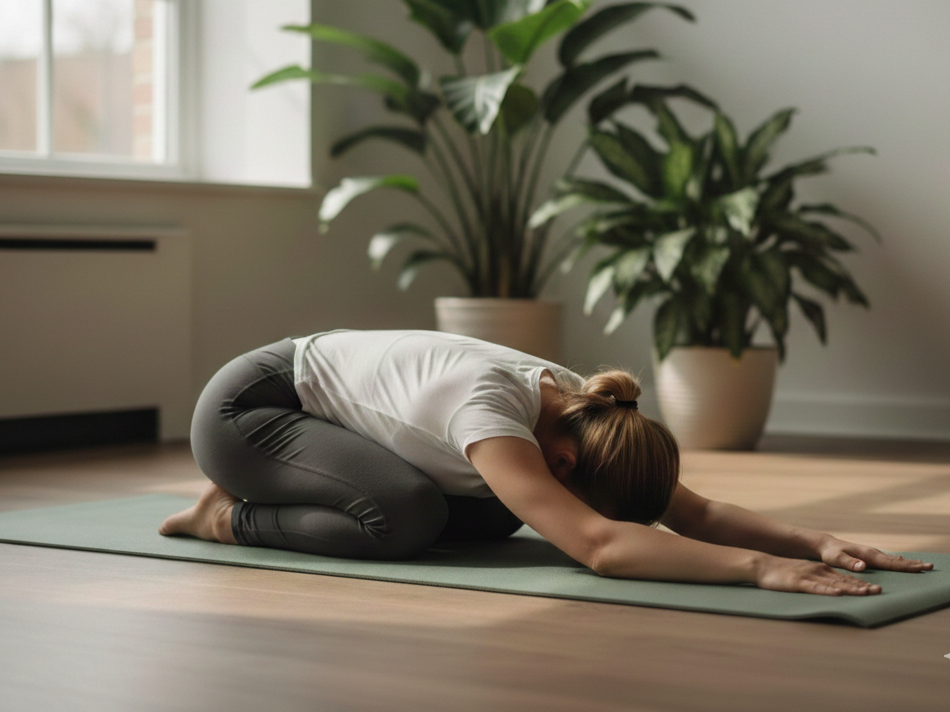
If you have ever taken a moment in a yoga practice to pause and rest your forehead on the mat, you have likely experienced Child’s Pose (Balasana). It’s one of those postures that feels simple yet offers deep and meaningful benefits both physically and mentally.
In this comprehensive guide, we’ll explore the child pose benefits, how to do it properly, and what to keep in mind before practicing. Whether you are new to yoga or part of a regular practice, understanding Balasana on multiple levels can enhance your overall wellbeing.
Key Takeaways:
| Topic | What You Should Remember |
|---|---|
| What is Balasana | The Balasana yoga pose is a gentle resting posture that promotes relaxation and grounding. |
| Main benefits | The top child pose benefits include stress relief, spinal release, hip opening, and improved breathing. |
| Nervous system support | Child’s pose yoga helps activate the calming response of the nervous system. |
| Digestive support | One of the subtle benefits of balasana is gentle stimulation of digestive organs. |
| Ease of practice | Learning how to do Balasana is simple and suitable for beginners. |
| Emotional grounding | This pose encourages emotional safety and mindfulness. |
| Who can practice | Most people can practice the Balasana yoga pose with small modifications. |
| When to avoid | Those with severe knee injuries or recent spinal surgery should consult a professional first. |
| Role in yoga routines | Balasana serves as a reset posture in many yoga sessions. |
| Long term value | Practicing child’s pose yoga regularly supports overall mental and physical balance. |
What Is Child’s Pose (Balasana)?
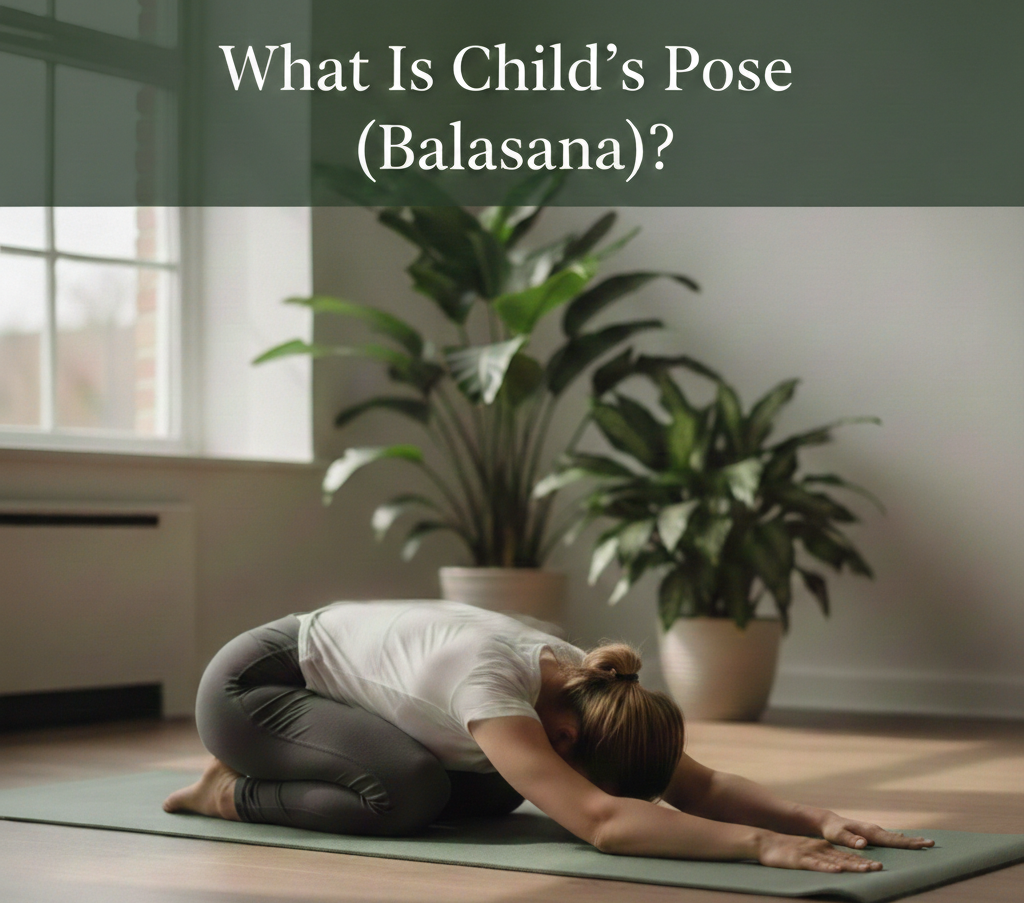
The Balasana yoga pose is a foundational resting posture in yoga. It is commonly used during flows or at the beginning and end of practice to pause, breathe, and reset.
The word Balasana comes from the Sanskrit “bala” meaning child and “asana” meaning pose. It represents a return to ease and surrender, a moment of softness during a yoga session or a stressful day.
This pose may look simple, but it provides powerful support for your physical body, nervous system, digestion, emotional state, and overall alignment.
How to Do Balasana: Step by Step
Here is a clear and easy guide to experience how to do Balasana correctly:
- Begin in a kneeling position on your mat or floor
- Bring your big toes together and sit back on your heels
- Slowly separate your knees about hip width apart
- Exhale and fold forward, bringing your forehead gently to the mat
- Stretch your arms forward or let them rest alongside your legs
- Breathe slowly and deeply, allowing your torso to relax into your thighs
- Stay in this posture for 30 seconds to a few minutes depending on comfort
Tips for comfort:
• If your knees feel tight, place a rolled blanket or towel between your calves and thighs
• If your forehead does not reach the floor, use a block or folded blanket beneath it
• Keep your breath soft and slow throughout
Balasana can be adapted easily making it suitable for most bodies and experience levels.
12 Powerful Child Pose Benefits
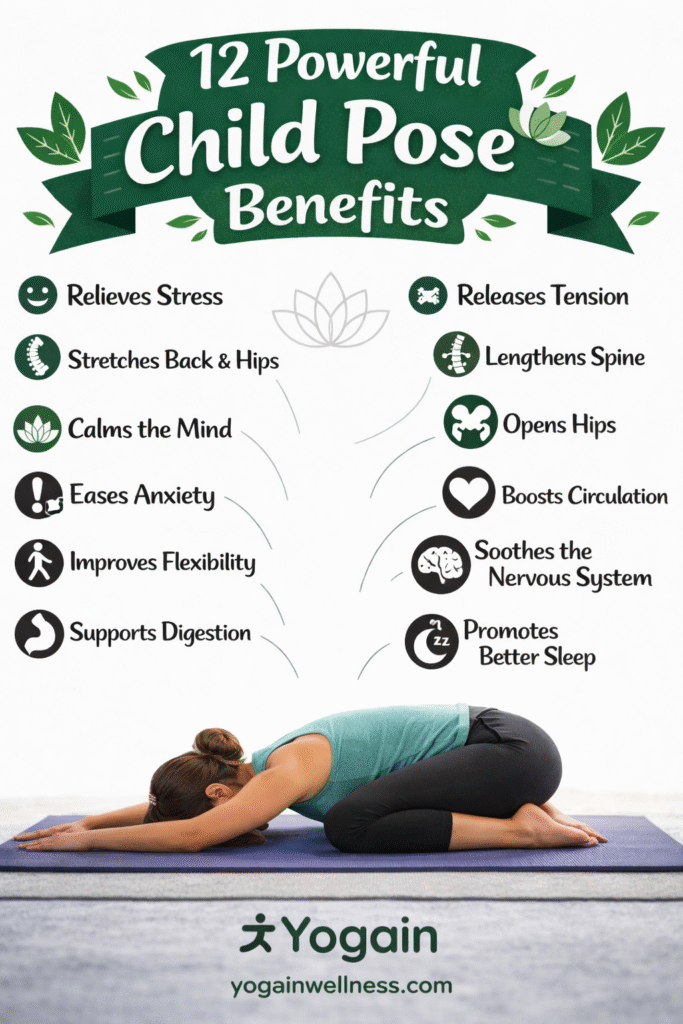
The child pose benefits are extensive. This humble posture supports the body in multiple ways beyond just relaxation.
1. Relieves Stress and Anxiety
One of the most immediate benefits of this pose is soothing the nervous system. When you rest your forehead down and breathe deeply, the body shifts toward calm and away from stress responses. This makes Balasana effective for Yoga for stress relief.
2. Gently Stretches the Lower Back
Child’s Pose provides a mild, sustained stretch for the lower back muscles helping ease tension that builds from sitting or standing for long periods.
3. Opens the Hips and Thighs
The wide knee variation helps release tightness in the hips and inner thighs which is especially helpful after long workouts or prolonged sitting.
4. Lengthens the Spine Naturally
As you rest into the pose, your torso drapes over your thighs allowing spinal decompression without strain.
5. Improves Digestive Function
The mild compression around the abdomen can gently stimulate digestive organs and encourage better gut motility.
6. Encourages Slower Breathing
Finding stillness in Balasana encourages slow and mindful breathing. This can calm the mind and improve oxygen flow throughout the body.
7. Supports Emotional Release
The slightly protective posture of Balasana can create a sense of safety and containment which supports emotional grounding.
8. Helps Ease Fatigue
Taking a moment in Child’s Pose can restore energy and counter physical exhaustion without requiring intense movement.
9. Reduces Neck and Shoulder Tension
By letting your shoulders relax and your head rest down, you allow the neck and shoulder muscles to soften.
10. Prepares the Body for Meditation
Balasana can serve as a transitional pose before meditation or pranayama, helping settle the mind.
12. Supports Lower Limb Circulation
The position allows blood to flow toward the lower extremities in a gentle way which can be refreshing.
13. Enhances Body Awareness
Because this posture invites stillness, it helps you tune into your breath, sensations, and alignment.
Below is a visual summary of benefits:
| Body System | Benefit |
|---|---|
| Nervous System | Stress relief and calming |
| Musculoskeletal | Hip and back release |
| Respiratory | Deepened, slower breath |
| Digestive | Gentle abdominal stimulation |
| Emotional | Grounding and comfort |
Modifications and Variations
Balasana is accessible, but minor adjustments make it even more supportive:
Wider Knee Variation
Separate the knees wider while keeping big toes together. This provides more room for the torso and can be easier on the hips.
Forehead on a Block or Prop
If your forehead does not reach the mat easily, place a yoga block or folded blanket beneath it for comfort.
Arms Forward vs Arms Back
- Arms forwardhelps lengthen the spine
• Arms back by your sides increases relaxation
Supported Balasana for Deep Rest
Use bolsters under your torso or blankets to support your body fully allowing deeper relaxation.
These modifications are especially useful for beginners or those practicing online yoga classes for beginners at home.
Precautions and Who Should Be Careful
Like any yoga pose, Balasana must be practiced with awareness.
Precautions:
• Avoid this pose during severe knee or ankle injuries
• If you have recent spinal surgery consult a professional first
• Pregnant practitioners may choose a wider knee variation
• If the posture causes discomfort in joints or pain, ease out gently
If you experience dizziness or discomfort, simply pause, sit back on your heels and return to neutral.
Yoga is a personal practice. Listen to your body and adjust as needed.
Why Balasana Is Important in a Balanced Practice?
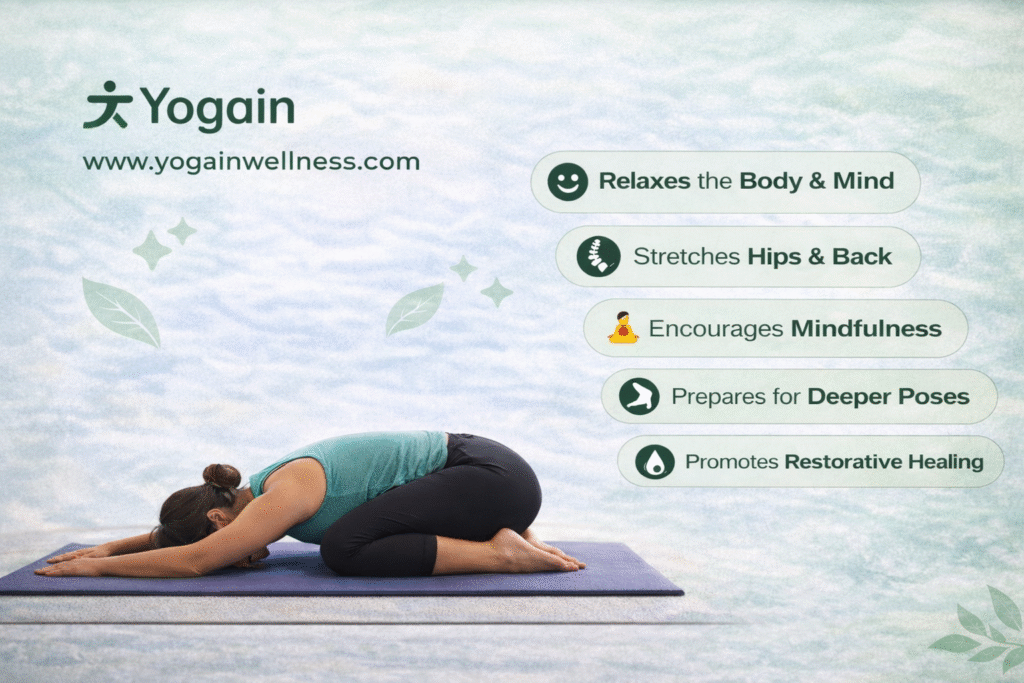
The Balasana yoga pose is often called the “reset posture.” In many yoga sequences, whenever a flow feels challenging or the mind feels scattered, teachers guide students back into Child’s Pose.
This is not just tradition. It acknowledges that the body needs moments of ease and rest to integrate what has already been practiced.
Whether you are practicing Classical Hatha, Vinyasa, or taking part in Yoga for stress relief, Balasana reminds you to find steadiness and softness in every moment.
How Balasana Fits Into Your Overall Wellness?
People often think yoga is just about strength or flexibility. Balasana reminds us that yoga is also about acceptance, stillness, and awareness. It invites you to stop, breathe, and settle into your body without expectations.
Including this pose regularly in your routine can support:
- Mental clarity
• Emotional regulation
• Physical relaxation
• A sense of safety in your body
This makes it one of the most adaptable and supportive poses for everyday life.
Balasana and Mindful Breathing
One of the most powerful aspects of the Child’s Pose (Balasana) is how it naturally encourages mindful breath patterns.
When your forehead is grounded and your torso softens, the breath often becomes slow and deeper without effort. This shifts the nervous system toward calm and away from stress responses.
This breathing connection enhances the emotional benefits of the pose and also helps you practice mind body awareness which supports long term wellbeing.
Conclusion: Utilizing the Power of Balasana
Child’s Pose (Balasana) is more than just a resting posture. It is a gentle doorway into relaxation, nervous system balance, emotional grounding, and physical ease.
From stress relief to improved breathing and spinal comfort, the child pose benefits reach far beyond what meets the eye. When you practice with awareness and intention, this simple yoga posture becomes a powerful ally in your wellness journey.
If you are exploring gentle movement, stress management, or beginning your journey into mindful yoga practice, consider integrating Balasana into your routine. For structured guidance and support, explore online yoga classes for beginners that include Balasana and other foundational poses.
At Yogain Wellness, we believe yoga should feel supportive and accessible to everyone. Whether you are new or returning to your mat, our guided sessions help you move, breathe, and relax with confidence.
Your yoga journey does not have to be difficult. Sometimes the most powerful transformations begin with simply resting into Child’s Pose (Balasana).
Give Yourself 10 Minutes of Calm Today.
Practice guided Child’s Pose with AI posture support and gently calm your nervous system — anytime, anywhere


✅ 10-day free trial • ✅ Beginner-friendly • ✅ Real-time AI feedback
Frequently Asked Questions
1. Whatarethe main child pose benefits?
The primary child pose benefits include stress reduction, gentle stretching of the lower back, improved breathing, hip opening, and nervous system calming.
2. Is theBalasanayoga pose suitable for beginners?
Yes, the Balasana yoga pose is ideal for beginners. It is simple, gentle, and easy to modify depending on comfort levels.
3. How long should I stay inChild’sPose?
You can stay in child’s pose yoga for 30 seconds to several minutes. The longer you remain with steady breathing, the deeper the relaxation effect.
4. How to do Balasana correctly?
If you are learning How to do Balasana, start by kneeling, sitting back on your heels, folding forward, and resting your forehead on the mat. Keep your breath slow and relaxed.
5. Can Child’s Pose help with stress?
Yes. One of the most powerful benefits of balasana is stress relief. The posture supports nervous system regulation and encourages calm breathing.
6. Is Balasana good for lower back pain?
The Balasana yoga pose can gently stretch and relax the lower back. However, if pain is severe or persistent, consult a healthcare professional.
7. Can I practice Child’s Pose daily?
Yes. Practicing child’s pose yoga daily is safe for most individuals and can improve flexibility, relaxation, and body awareness over time.
8. Are there any precautions forBalasana?
Avoid this pose if you have serious knee injuries or recent surgery. Modify the posture as needed and always move with awareness.
9. Does Child’s Pose improve digestion?
Yes. One of the lesser known child pose benefits is gentle abdominal compression, which may support digestive health.
10. Is Balasana part of online yoga classes for beginners?
Yes. Most online yoga classes for beginners include the Balasana yoga pose as it is foundational and restorative.
Explore more blogs
View all blogs
February 12, 2026
Is Upper Back Pain a Sign of Cancer? Signs, Causes, and What to Know
Experiencing upper back pain can feel unsettling, especially when questions like “is upper back pain a sign of cancer” start to surface. It’s...
January 22, 2026
Online Yoga Classes and Apps for Beginners in 2026
When I first decided to start yoga at home, I thought it would be simple. Download an app, roll out a mat, and follow along. But within a few days, I ...
January 14, 2026
Types of Yoga Asanas With Their Benefits for Mind & Body
What Are Yoga Asanas? Have you ever opened a yoga app or video and thought, “There are so many poses… where do I even start?” You’re not alon...