
Support PCOS Naturally with Yoga


Granted By StartinUP


Over 1000 people have practiced with us.

Many experience improved balance, better energy levels, and a calmer relationship with their body over time.
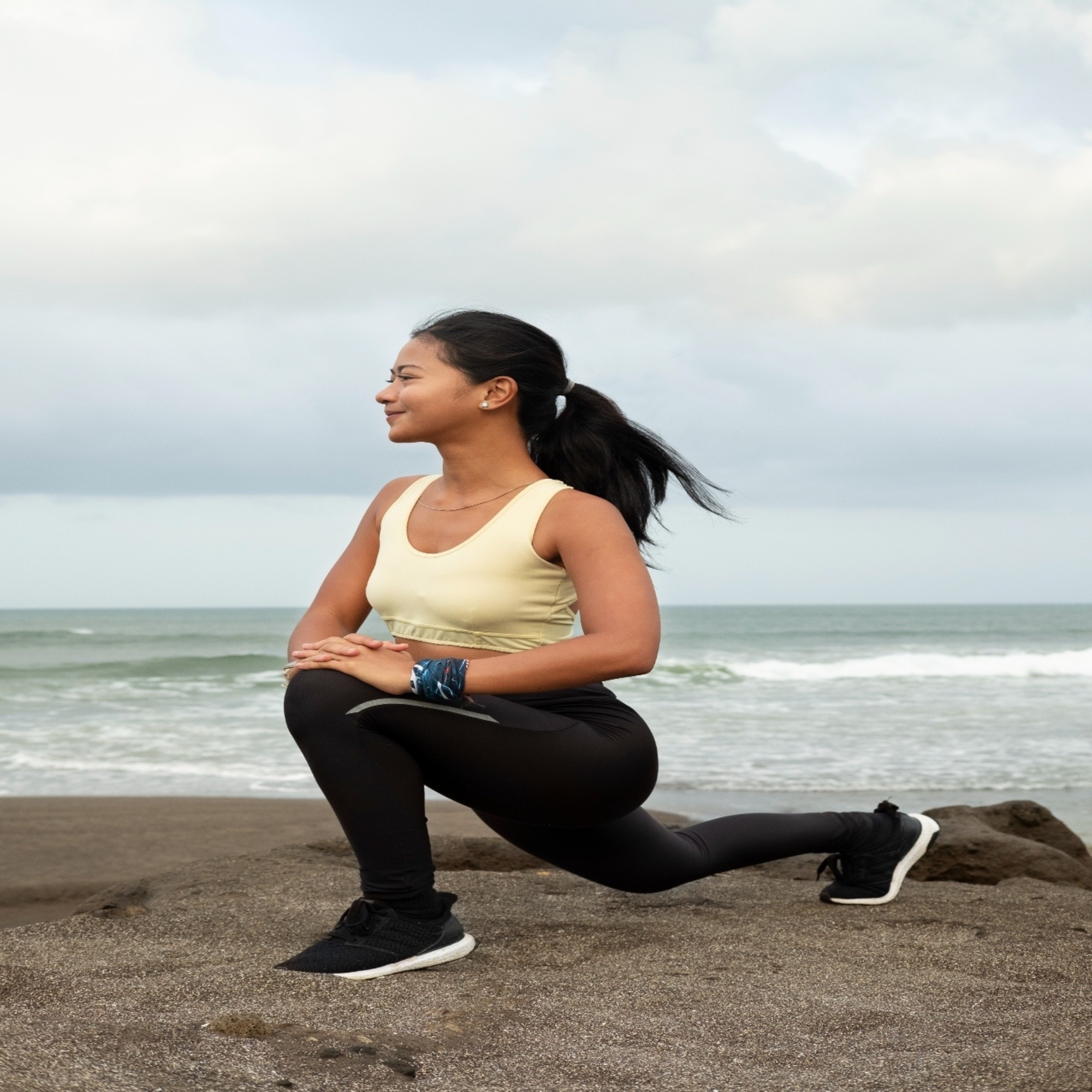
PCOS affects hormone balance, weight, energy levels, and emotional wellbeing. Managing it often requires patience and lifestyle support alongside medical care. Yoga offers a gentle and calming way to support the body naturally.
Practicing yoga for PCOS focuses on reducing stress, improving circulation, and supporting hormonal balance. This helps the body respond better to daily routines without adding physical strain.
With regular practice, yoga asanas for PCOS can help improve body awareness, encourage consistency, and support overall wellbeing in a sustainable way.
Why Do PCOS Symptoms Persist?
PCOS symptoms often continue because they are closely linked to hormonal imbalance, stress, and lifestyle habits. Even with treatment, symptoms may remain if these factors are not addressed together.
Stress plays a major role in worsening PCOS symptoms. When the body stays under constant stress, hormone regulation becomes more difficult. This is where yoga for PCOS becomes especially helpful.
Another challenge is irregular routines. Inconsistent sleep, movement, and eating habits can make symptom management harder. Practicing best yoga for PCOD encourages steady habits that support long-term balance.
Weight changes, fatigue, and mood swings are also common concerns. Yoga supports the body gently, making it easier to stay consistent without pressure.

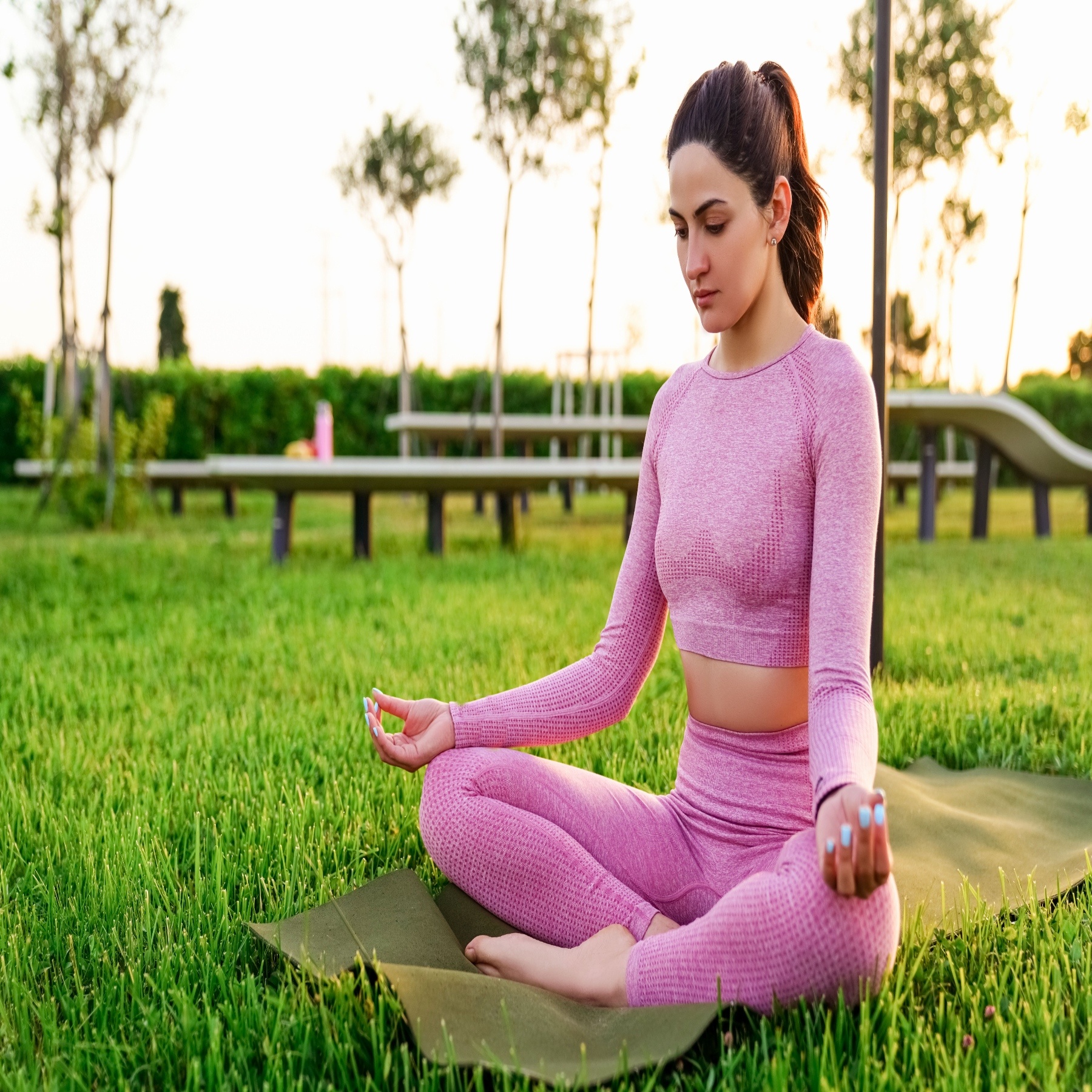
How Yoga Supports PCOS Management
Yoga helps calm the nervous system, which plays an important role in hormonal balance. A relaxed body is better able to regulate internal functions naturally.
Certain movements support circulation and gentle muscle engagement, helping the body feel more active without exhaustion. This makes yoga poses for PCOS suitable for regular practice.
Yoga also encourages mindfulness and consistency. Over time, this helps support routines that improve overall wellbeing, including yoga for weight loss in PCOS when practiced steadily.
Creating Balance Through Gentle Movement
PCOS management benefits from movement that supports the body rather than stressing it. Yoga focuses on slow, controlled movements that help maintain energy levels.
This balanced approach makes yoga easier to practice regularly, even on low-energy days. It allows yoga for PCOS to feel supportive instead of overwhelming.
When movement feels manageable, consistency improves. This allows yoga asanas for PCOS to support gradual and lasting progress over time.
Yoga Poses That Support PCOS Balance
Yoga for PCOS focuses on calming the nervous system, improving circulation in the pelvic region, and supporting hormonal balance. The poses below are gentle, grounding, and suitable for regular practice, especially during hormonal fluctuations.
Important: PCOS symptoms can vary day to day. Avoid forcing poses, especially during periods of low energy or discomfort. Focus on slow breathing, comfort, and consistency rather than intensity.
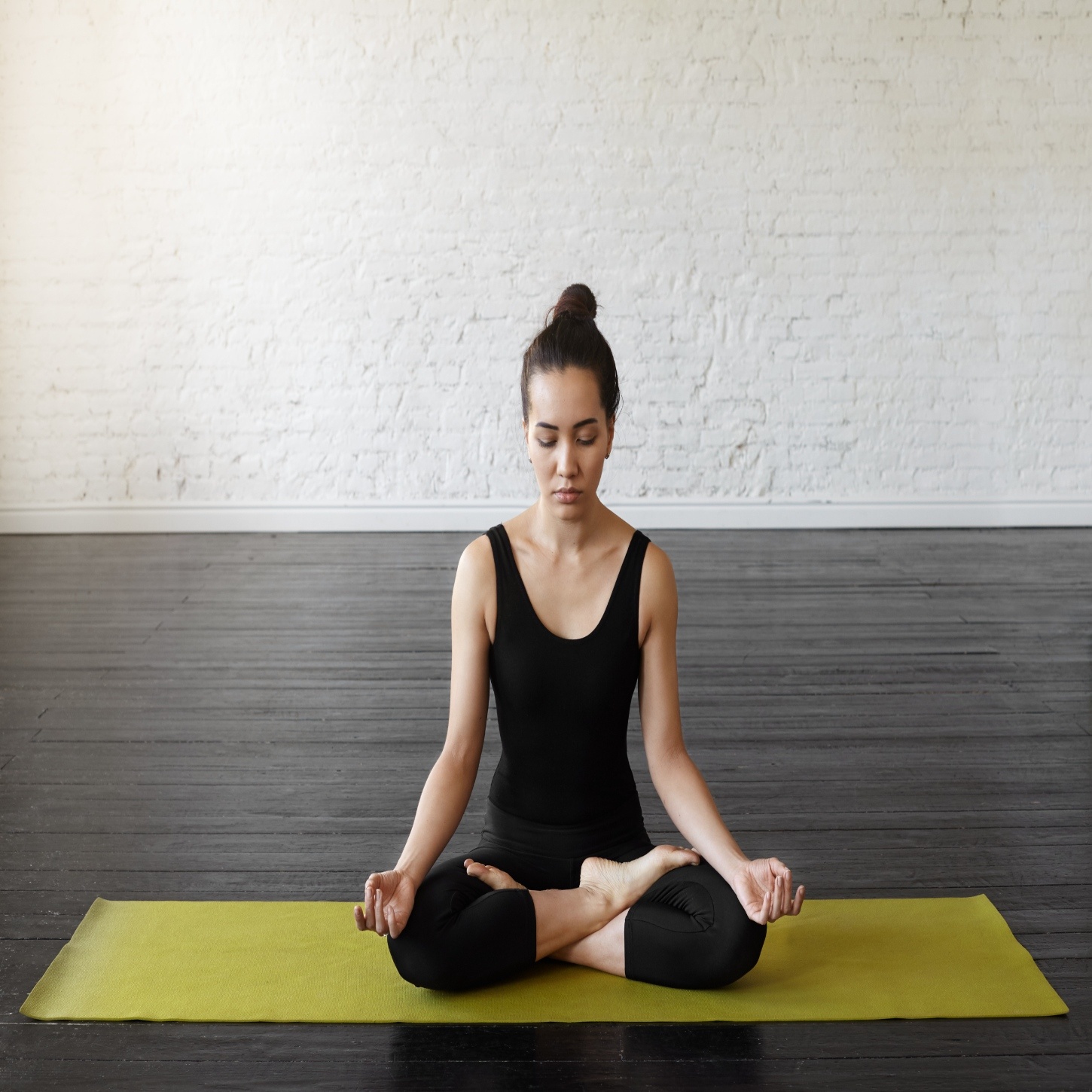
1. Baddha Konasana (Butterfly Pose)
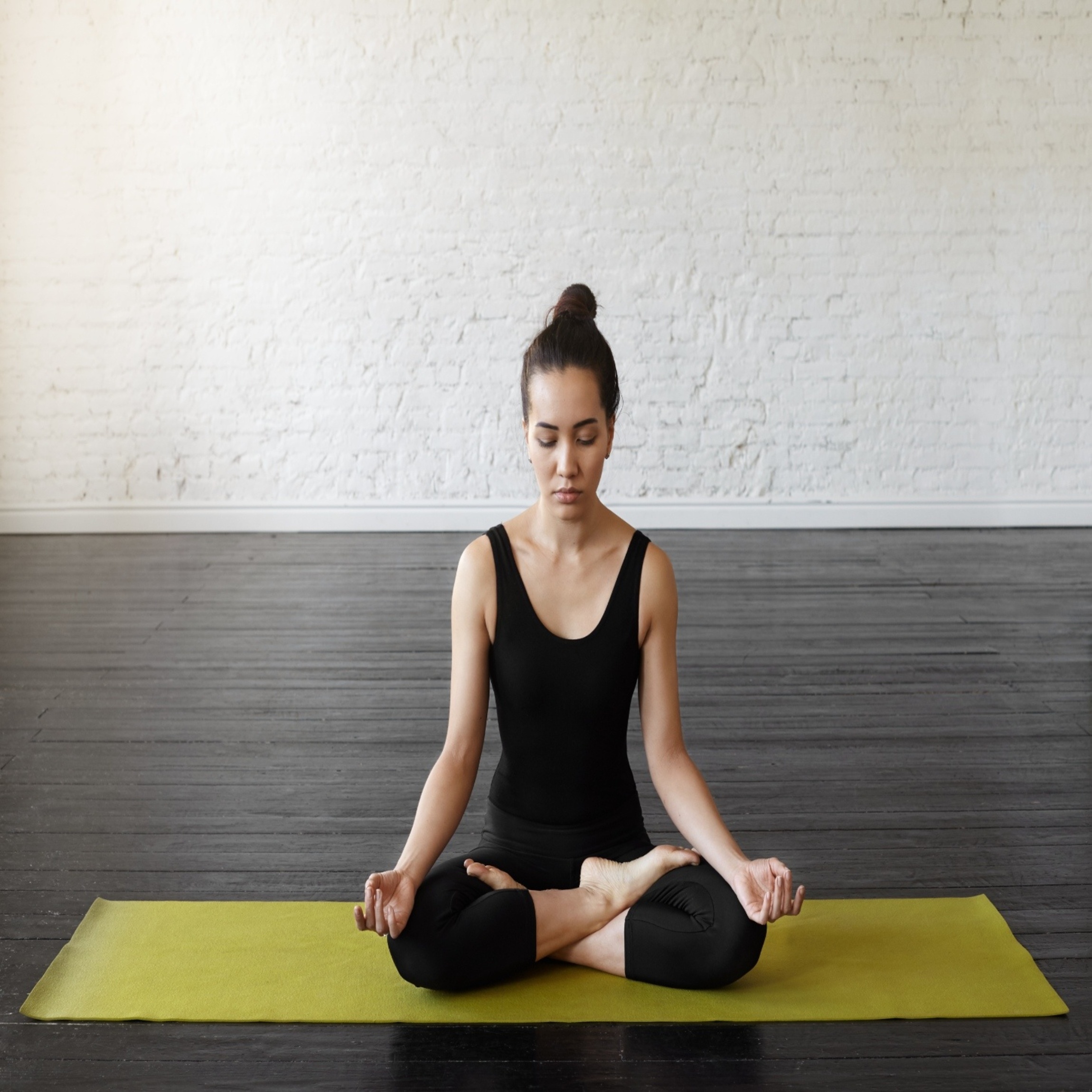
This pose gently opens the hips and pelvic area, improving circulation to the reproductive organs. It is often used in yoga for PCOS routines to support hormonal balance and ease pelvic tension.
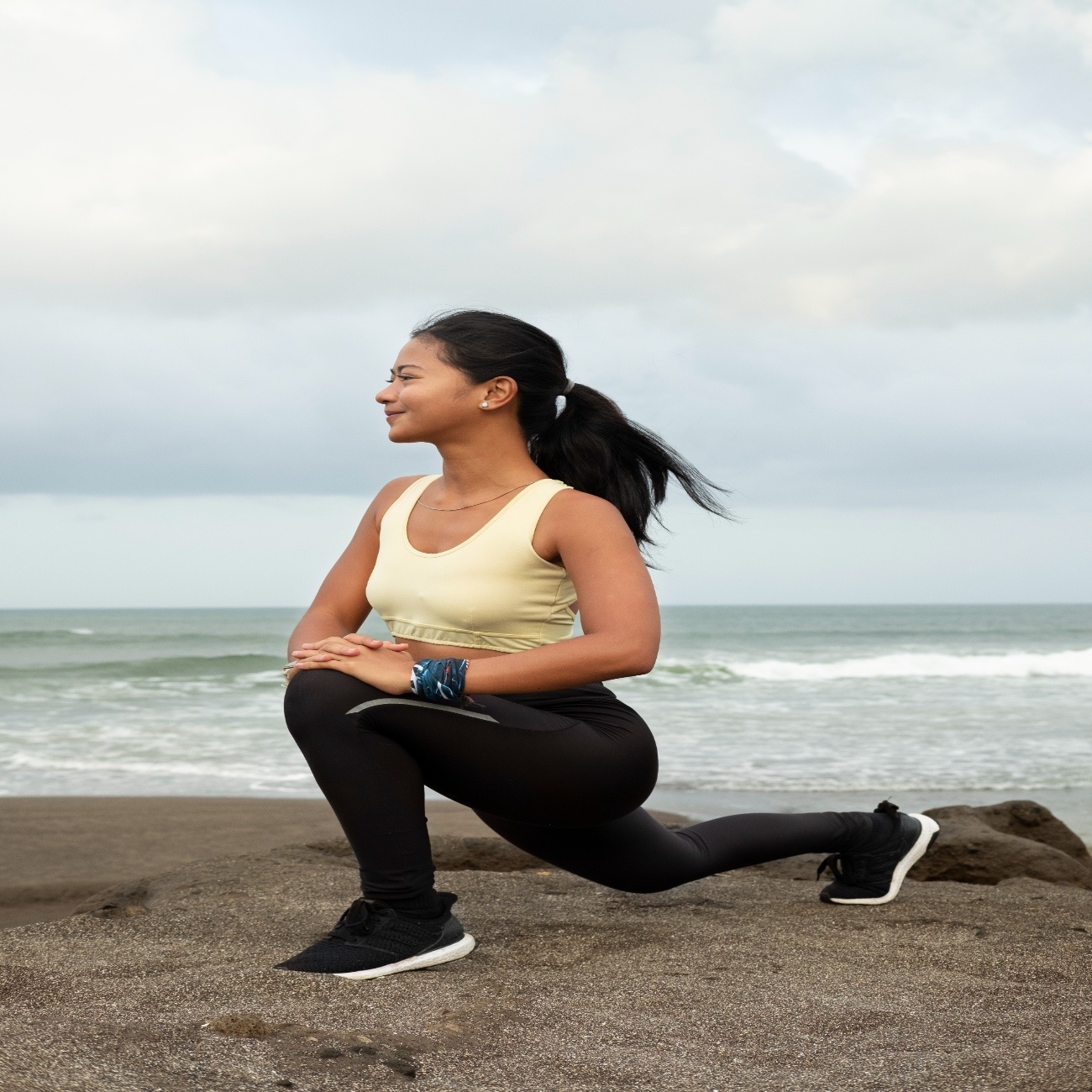
2. Malasana (Yogic Squat)
Malasana helps stimulate digestion and improve blood flow in the lower body. It can support metabolism and is useful for women practicing yoga for weight loss in PCOS when done comfortably.
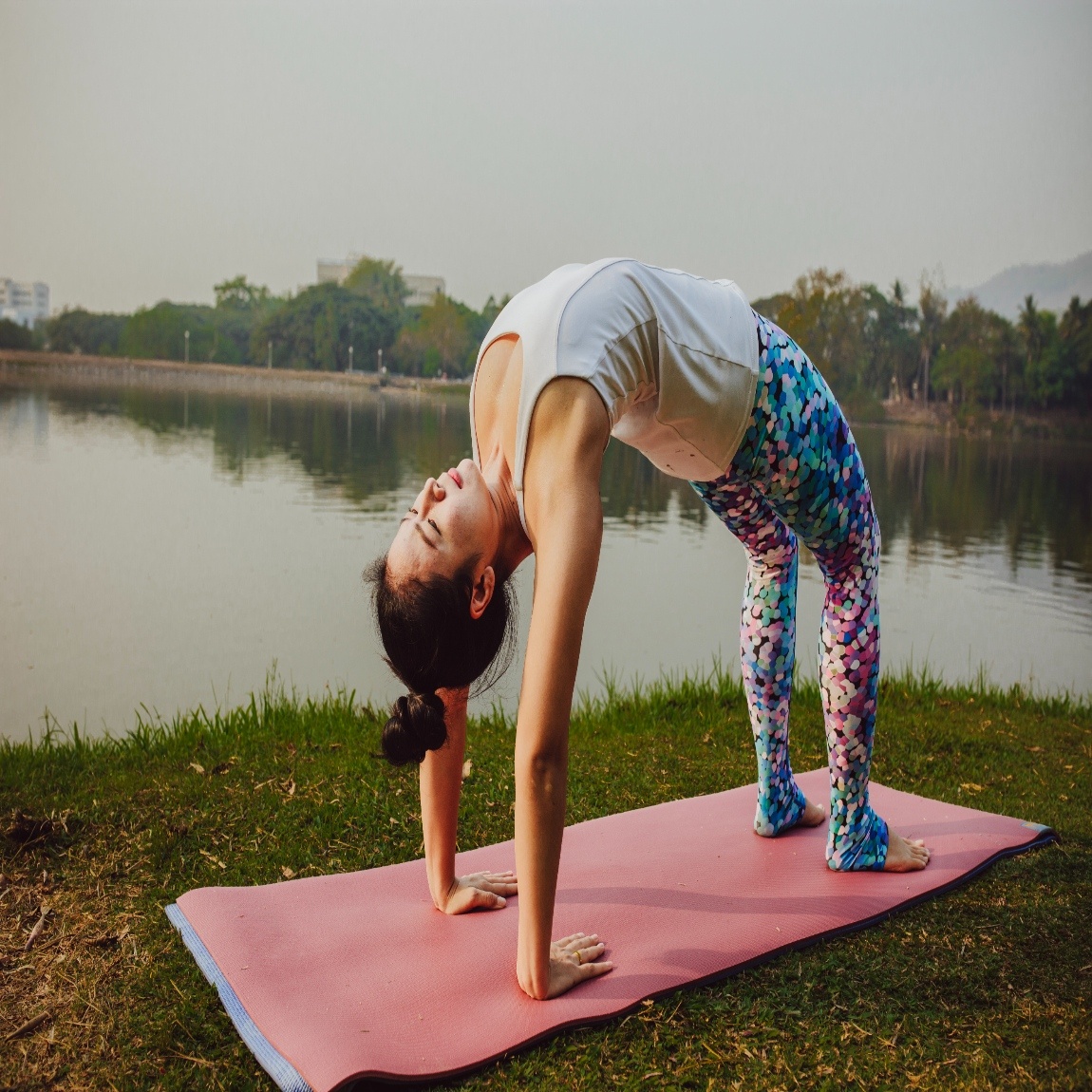
3. Setu Bandhasana (Bridge Pose)
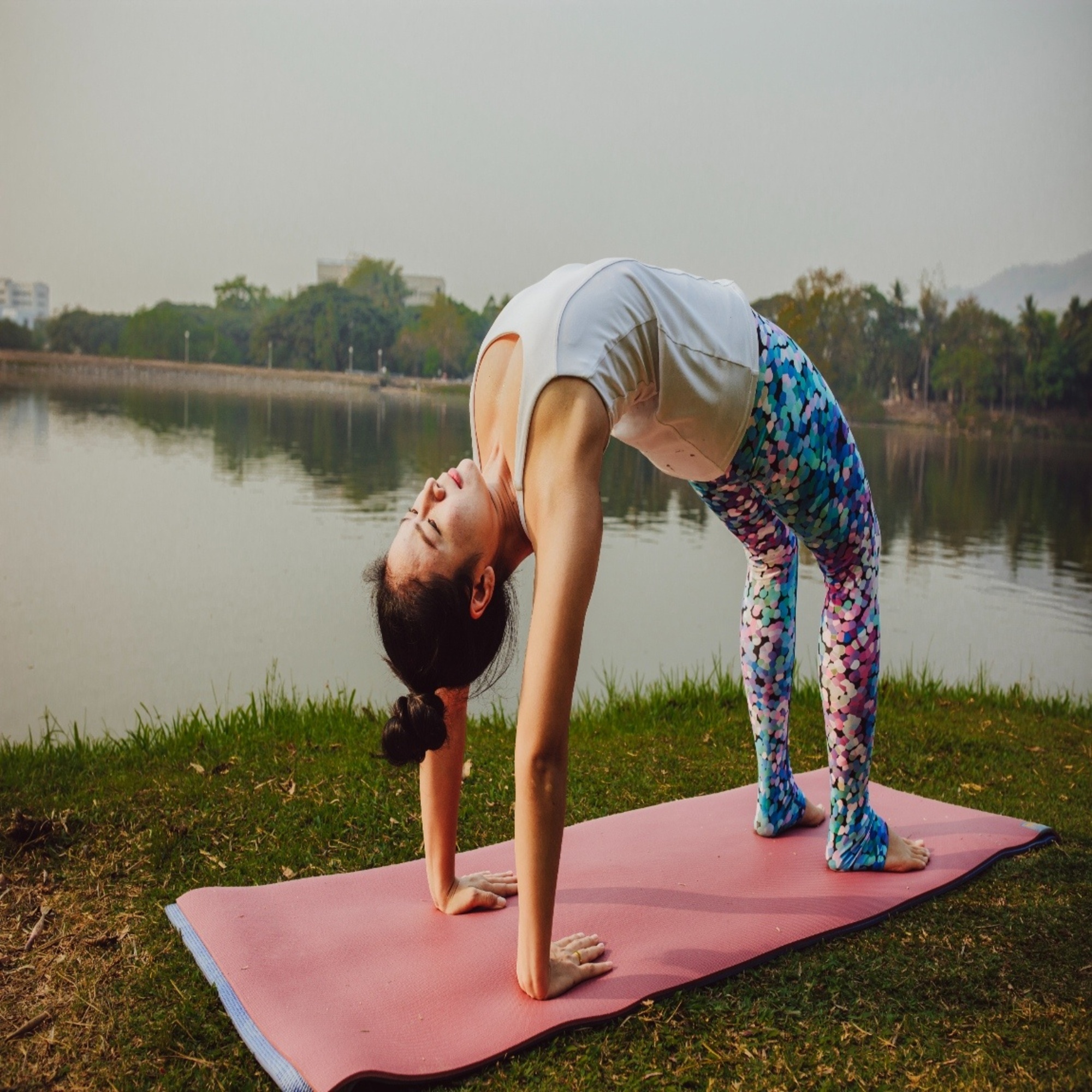
This pose gently stimulates the pelvic region and supports thyroid and reproductive balance. It is commonly included in yoga poses for PCOS for its calming yet activating effect.
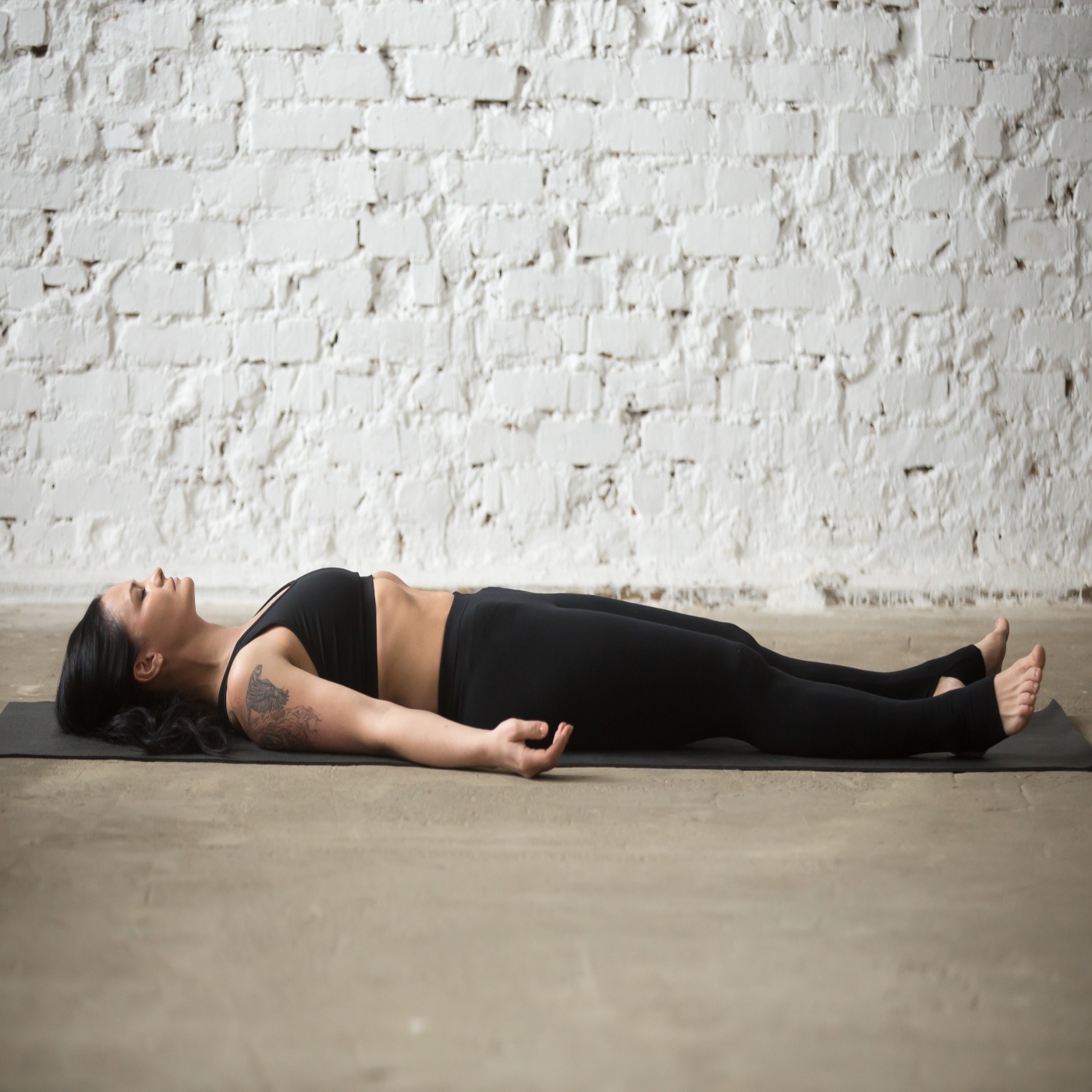
4. Supta Baddha Konasana (Reclined Butterfly Pose)
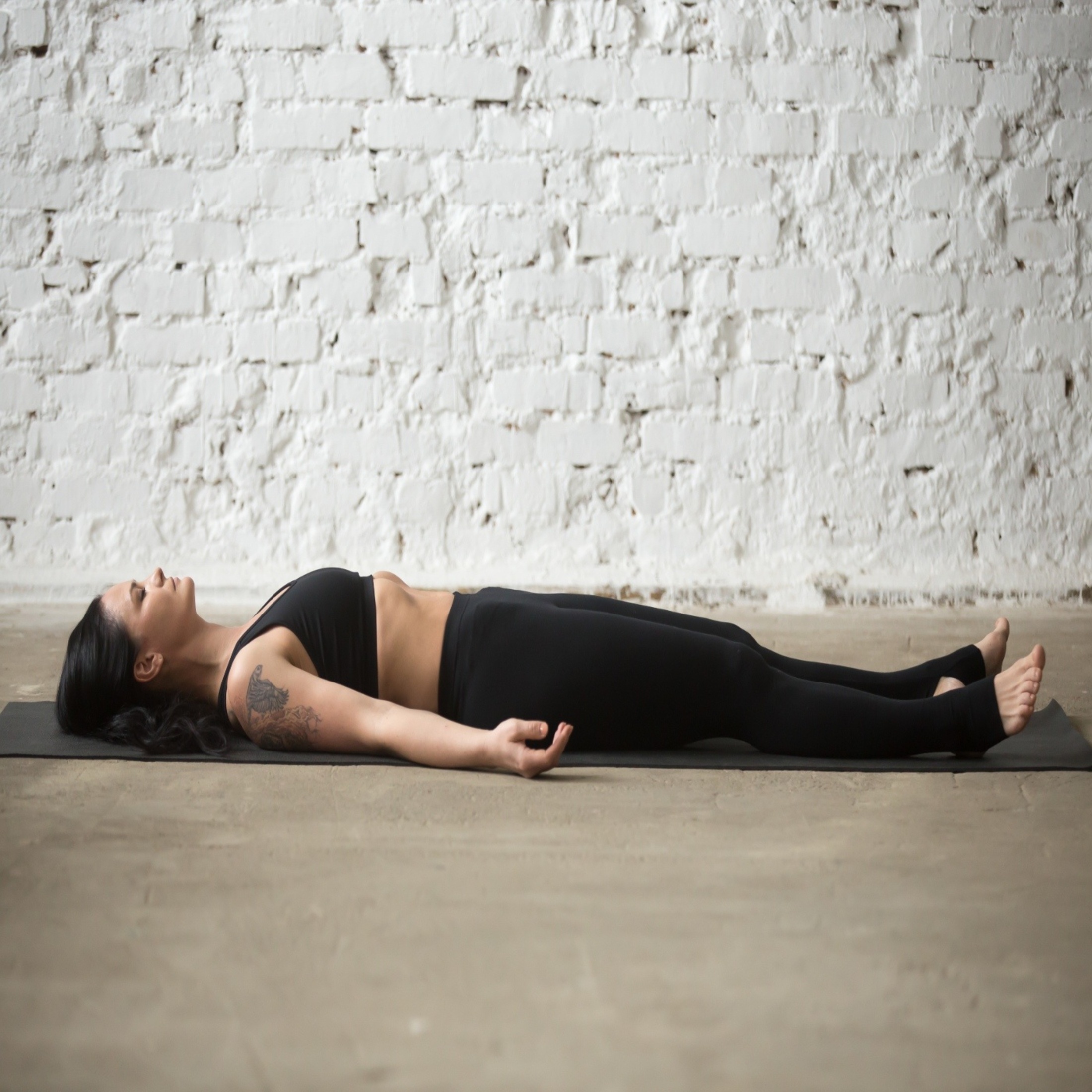
A deeply restorative pose that helps reduce stress and cortisol levels. Lowering stress is essential for managing PCOS symptoms linked to hormone imbalance.
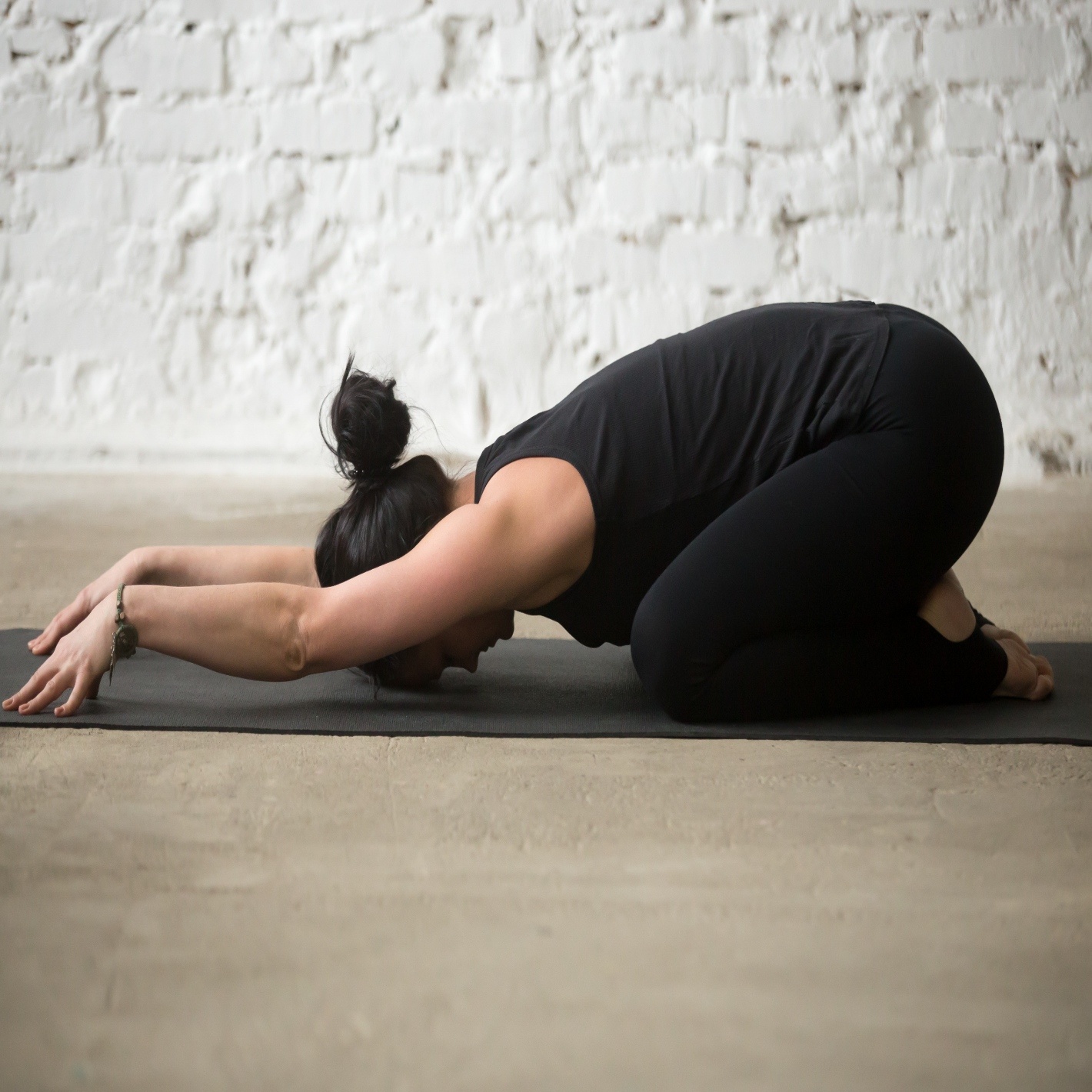
5. Balasana (Child’s Pose)
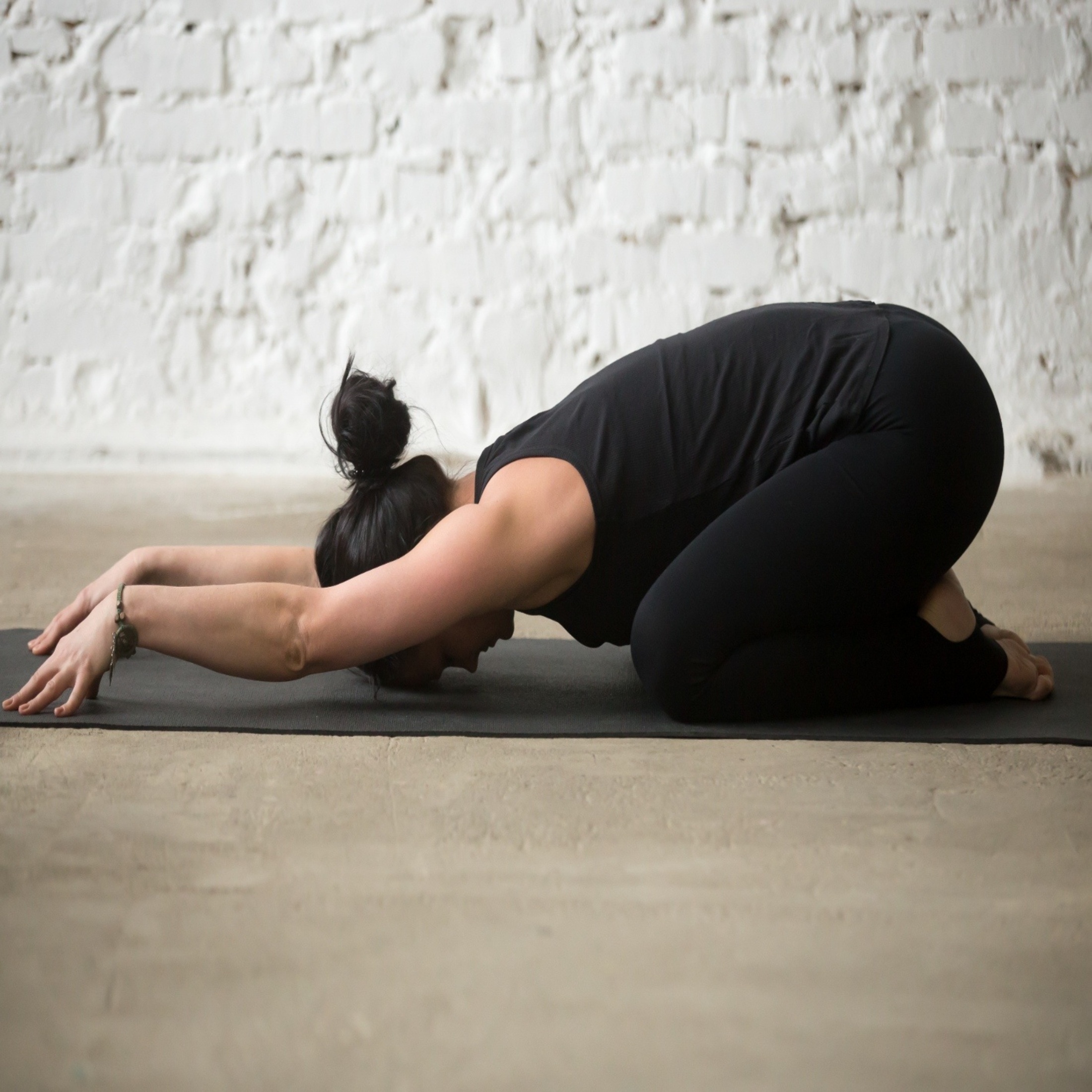
This pose calms the nervous system and supports emotional regulation. It is especially helpful during fatigue, mood swings, or hormonal discomfort.
1. Baddha Konasana (Butterfly Pose)
This pose gently opens the hips and pelvic area, improving circulation to the reproductive organs. It is often used in yoga for PCOS routines to support hormonal balance and ease pelvic tension.
2. Malasana (Yogic Squat)
Malasana helps stimulate digestion and improve blood flow in the lower body. It can support metabolism and is useful for women practicing yoga for weight loss in PCOS when done comfortably.
3. Setu Bandhasana (Bridge Pose)
This pose gently stimulates the pelvic region and supports thyroid and reproductive balance. It is commonly included in yoga poses for PCOS for its calming yet activating effect.
4. Supta Baddha Konasana (Reclined Butterfly Pose)
A deeply restorative pose that helps reduce stress and cortisol levels. Lowering stress is essential for managing PCOS symptoms linked to hormone imbalance.
5. Balasana (Child’s Pose)
This pose calms the nervous system and supports emotional regulation. It is especially helpful during fatigue, mood swings, or hormonal discomfort.
1. Baddha Konasana (Butterfly Pose)
This pose gently opens the hips and pelvic area, improving circulation to the reproductive organs. It is often used in yoga for PCOS routines to support hormonal balance and ease pelvic tension.
2. Malasana (Yogic Squat)
Malasana helps stimulate digestion and improve blood flow in the lower body. It can support metabolism and is useful for women practicing yoga for weight loss in PCOS when done comfortably.
3. Setu Bandhasana (Bridge Pose)
This pose gently stimulates the pelvic region and supports thyroid and reproductive balance. It is commonly included in yoga poses for PCOS for its calming yet activating effect.
4. Supta Baddha Konasana (Reclined Butterfly Pose)
A deeply restorative pose that helps reduce stress and cortisol levels. Lowering stress is essential for managing PCOS symptoms linked to hormone imbalance.
5. Balasana (Child’s Pose)
This pose calms the nervous system and supports emotional regulation. It is especially helpful during fatigue, mood swings, or hormonal discomfort.
1. Baddha Konasana (Butterfly Pose)
This pose gently opens the hips and pelvic area, improving circulation to the reproductive organs. It is often used in yoga for PCOS routines to support hormonal balance and ease pelvic tension.
2. Malasana (Yogic Squat)
Malasana helps stimulate digestion and improve blood flow in the lower body. It can support metabolism and is useful for women practicing yoga for weight loss in PCOS when done comfortably.
3. Setu Bandhasana (Bridge Pose)
This pose gently stimulates the pelvic region and supports thyroid and reproductive balance. It is commonly included in yoga poses for PCOS for its calming yet activating effect.
4. Supta Baddha Konasana (Reclined Butterfly Pose)
A deeply restorative pose that helps reduce stress and cortisol levels. Lowering stress is essential for managing PCOS symptoms linked to hormone imbalance.
5. Balasana (Child’s Pose)
This pose calms the nervous system and supports emotional regulation. It is especially helpful during fatigue, mood swings, or hormonal discomfort.
1. Baddha Konasana (Butterfly Pose)
This pose gently opens the hips and pelvic area, improving circulation to the reproductive organs. It is often used in yoga for PCOS routines to support hormonal balance and ease pelvic tension.
2. Malasana (Yogic Squat)
Malasana helps stimulate digestion and improve blood flow in the lower body. It can support metabolism and is useful for women practicing yoga for weight loss in PCOS when done comfortably.
3. Setu Bandhasana (Bridge Pose)
This pose gently stimulates the pelvic region and supports thyroid and reproductive balance. It is commonly included in yoga poses for PCOS for its calming yet activating effect.
4. Supta Baddha Konasana (Reclined Butterfly Pose)
A deeply restorative pose that helps reduce stress and cortisol levels. Lowering stress is essential for managing PCOS symptoms linked to hormone imbalance.
5. Balasana (Child’s Pose)
This pose calms the nervous system and supports emotional regulation. It is especially helpful during fatigue, mood swings, or hormonal discomfort.
1. Baddha Konasana (Butterfly Pose)
This pose gently opens the hips and pelvic area, improving circulation to the reproductive organs. It is often used in yoga for PCOS routines to support hormonal balance and ease pelvic tension.
2. Malasana (Yogic Squat)
Malasana helps stimulate digestion and improve blood flow in the lower body. It can support metabolism and is useful for women practicing yoga for weight loss in PCOS when done comfortably.
3. Setu Bandhasana (Bridge Pose)
This pose gently stimulates the pelvic region and supports thyroid and reproductive balance. It is commonly included in yoga poses for PCOS for its calming yet activating effect.
4. Supta Baddha Konasana (Reclined Butterfly Pose)
A deeply restorative pose that helps reduce stress and cortisol levels. Lowering stress is essential for managing PCOS symptoms linked to hormone imbalance.
5. Balasana (Child’s Pose)
This pose calms the nervous system and supports emotional regulation. It is especially helpful during fatigue, mood swings, or hormonal discomfort.
1. Baddha Konasana (Butterfly Pose)
This pose gently opens the hips and pelvic area, improving circulation to the reproductive organs. It is often used in yoga for PCOS routines to support hormonal balance and ease pelvic tension.
2. Malasana (Yogic Squat)
Malasana helps stimulate digestion and improve blood flow in the lower body. It can support metabolism and is useful for women practicing yoga for weight loss in PCOS when done comfortably.
3. Setu Bandhasana (Bridge Pose)
This pose gently stimulates the pelvic region and supports thyroid and reproductive balance. It is commonly included in yoga poses for PCOS for its calming yet activating effect.
4. Supta Baddha Konasana (Reclined Butterfly Pose)
A deeply restorative pose that helps reduce stress and cortisol levels. Lowering stress is essential for managing PCOS symptoms linked to hormone imbalance.
5. Balasana (Child’s Pose)
This pose calms the nervous system and supports emotional regulation. It is especially helpful during fatigue, mood swings, or hormonal discomfort.
1. Baddha Konasana (Butterfly Pose)
This pose gently opens the hips and pelvic area, improving circulation to the reproductive organs. It is often used in yoga for PCOS routines to support hormonal balance and ease pelvic tension.
2. Malasana (Yogic Squat)
Malasana helps stimulate digestion and improve blood flow in the lower body. It can support metabolism and is useful for women practicing yoga for weight loss in PCOS when done comfortably.
3. Setu Bandhasana (Bridge Pose)
This pose gently stimulates the pelvic region and supports thyroid and reproductive balance. It is commonly included in yoga poses for PCOS for its calming yet activating effect.
4. Supta Baddha Konasana (Reclined Butterfly Pose)
A deeply restorative pose that helps reduce stress and cortisol levels. Lowering stress is essential for managing PCOS symptoms linked to hormone imbalance.
5. Balasana (Child’s Pose)
This pose calms the nervous system and supports emotional regulation. It is especially helpful during fatigue, mood swings, or hormonal discomfort.
1. Baddha Konasana (Butterfly Pose)
This pose gently opens the hips and pelvic area, improving circulation to the reproductive organs. It is often used in yoga for PCOS routines to support hormonal balance and ease pelvic tension.
2. Malasana (Yogic Squat)
Malasana helps stimulate digestion and improve blood flow in the lower body. It can support metabolism and is useful for women practicing yoga for weight loss in PCOS when done comfortably.
3. Setu Bandhasana (Bridge Pose)
This pose gently stimulates the pelvic region and supports thyroid and reproductive balance. It is commonly included in yoga poses for PCOS for its calming yet activating effect.
4. Supta Baddha Konasana (Reclined Butterfly Pose)
A deeply restorative pose that helps reduce stress and cortisol levels. Lowering stress is essential for managing PCOS symptoms linked to hormone imbalance.
5. Balasana (Child’s Pose)
This pose calms the nervous system and supports emotional regulation. It is especially helpful during fatigue, mood swings, or hormonal discomfort.
1. Baddha Konasana (Butterfly Pose)
This pose gently opens the hips and pelvic area, improving circulation to the reproductive organs. It is often used in yoga for PCOS routines to support hormonal balance and ease pelvic tension.
2. Malasana (Yogic Squat)
Malasana helps stimulate digestion and improve blood flow in the lower body. It can support metabolism and is useful for women practicing yoga for weight loss in PCOS when done comfortably.
3. Setu Bandhasana (Bridge Pose)
This pose gently stimulates the pelvic region and supports thyroid and reproductive balance. It is commonly included in yoga poses for PCOS for its calming yet activating effect.
Creating Balance Through Gentle Movement
PCOS management benefits from movement that supports the body rather than stressing it. Yoga focuses on slow, controlled movements that help maintain energy levels.
This balanced approach makes yoga easier to practice regularly, even on low-energy days. It allows yoga for PCOS to feel supportive instead of overwhelming.
When movement feels manageable, consistency improves. This allows yoga asanas for PCOS to support gradual and lasting progress over time.
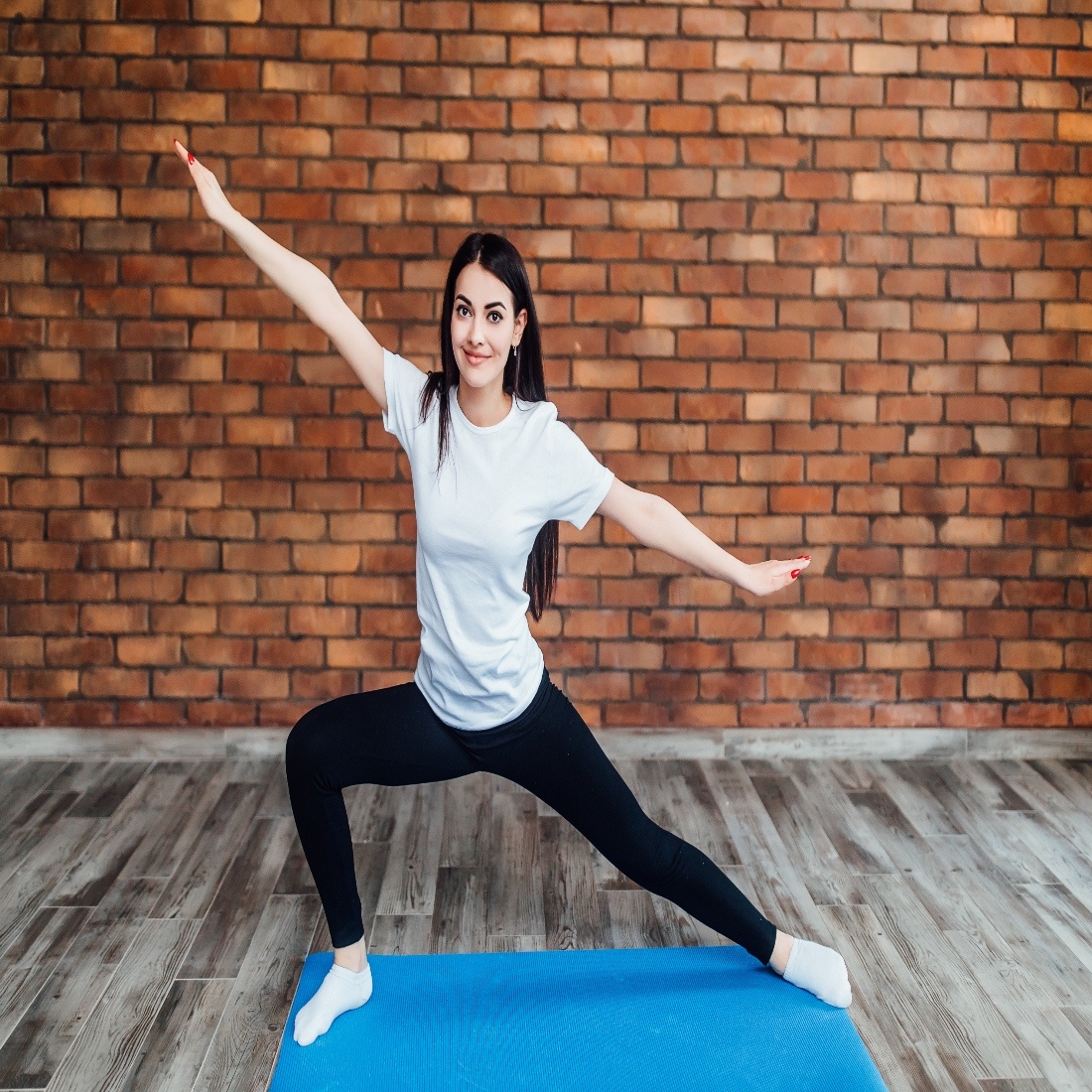
Hormonal Balance Through Natural Movement
Hormonal imbalance is at the core of PCOS. Yoga helps regulate this by calming the nervous system and reducing stress-related hormone disruption.
Slow, controlled movement supports circulation without overstimulation. This makes yoga asanas for PCOS effective for long-term balance rather than short-term fixes.
When the body feels safe and supported, hormonal signals become more stable. This allows yoga for PCOS to work gently over time.
Improving Body Awareness and Cycle Sensitivity
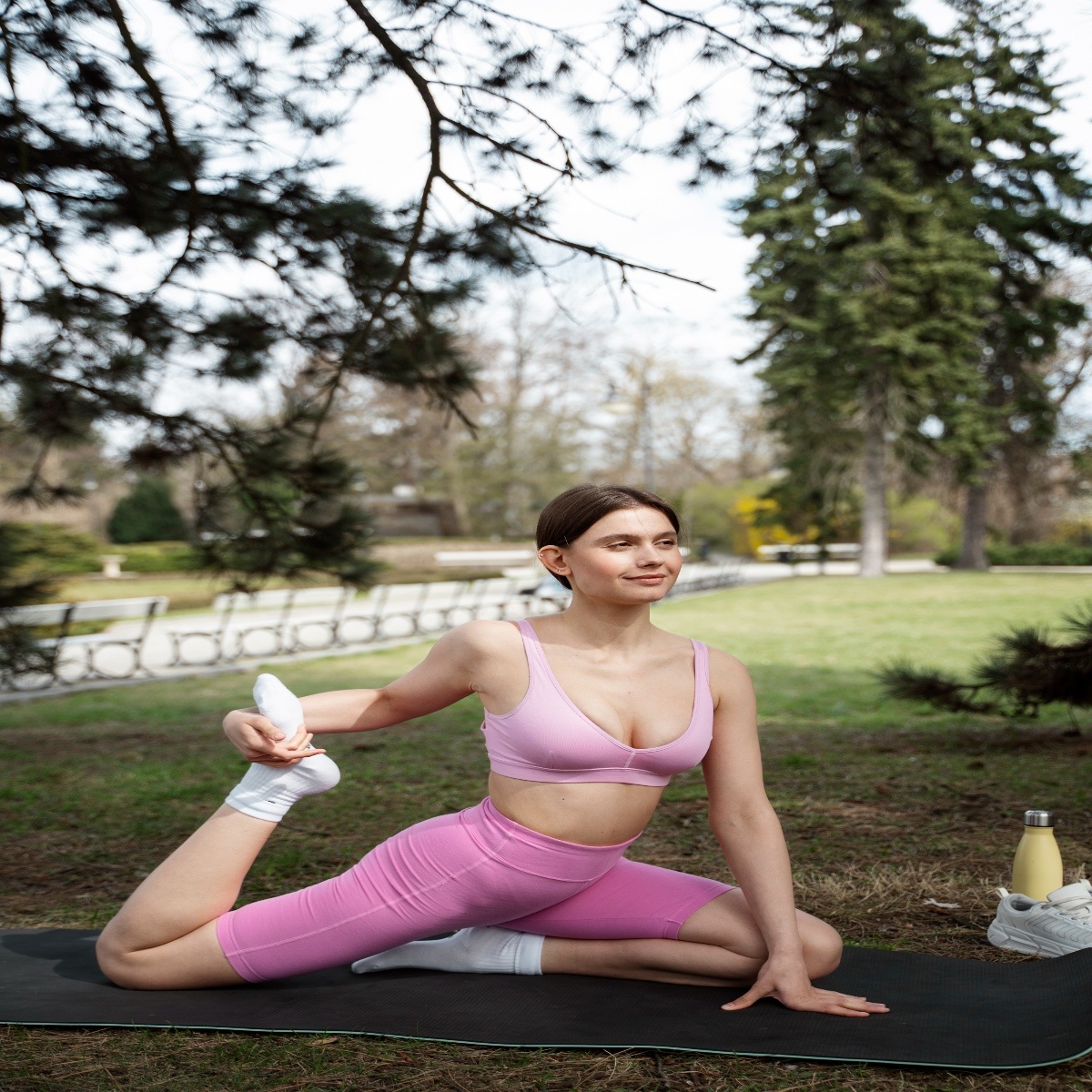
Many women with PCOS feel disconnected from their body due to unpredictable symptoms. Yoga helps rebuild this connection through mindful movement and breath.
As awareness improves, it becomes easier to notice patterns related to energy, mood, and discomfort. This makes best yoga for PCOD practices more intuitive and supportive.
Listening to the body instead of pushing through fatigue allows yoga poses for PCOS to adapt to changing hormonal needs.
Building Core Stability Without Stressing Hormones
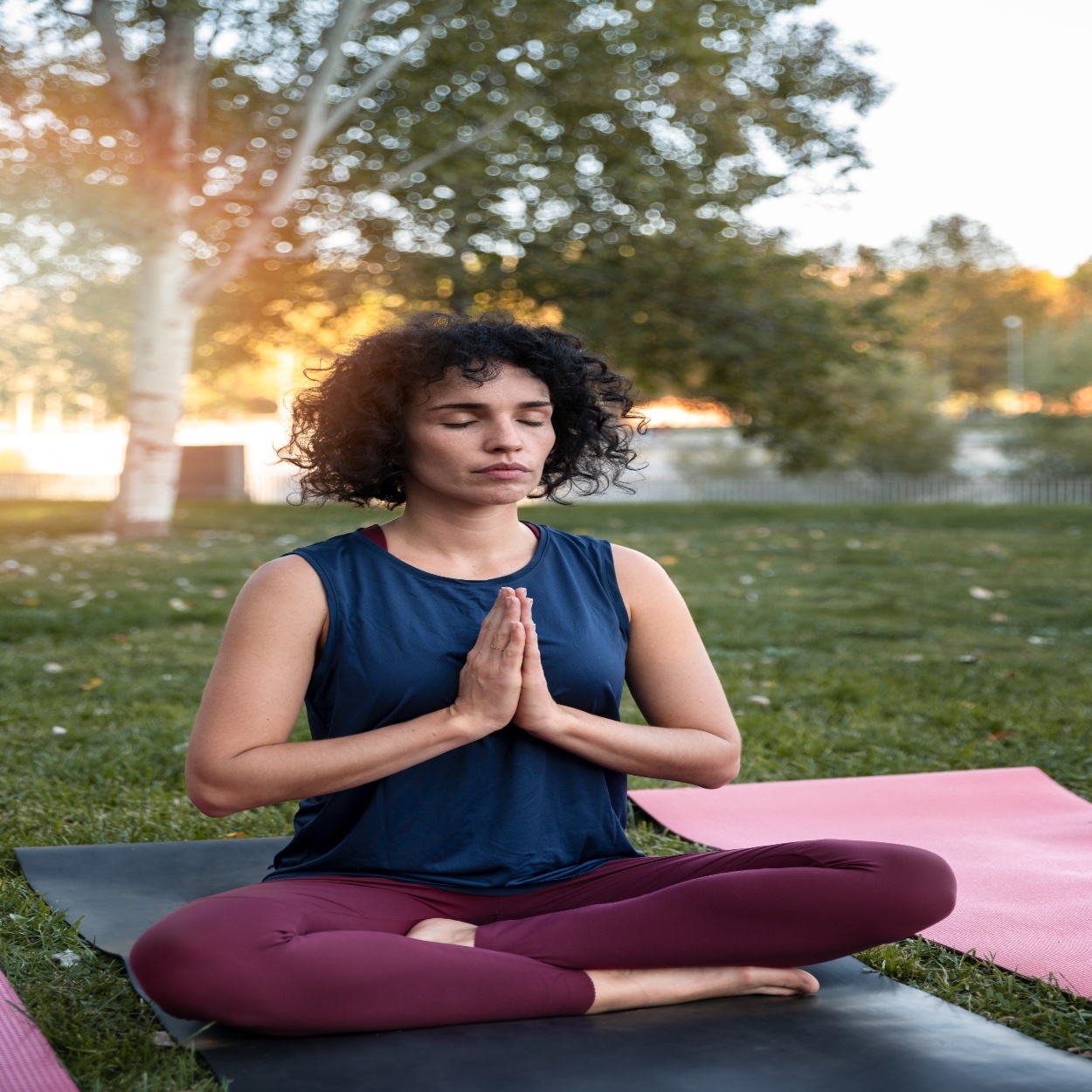
Core engagement supports metabolism and posture, but intense workouts can increase stress hormones in PCOS. Yoga strengthens the core gently without triggering cortisol spikes.
Controlled holds and slow transitions activate muscles while maintaining calm breathing. This supports yoga for weight loss in PCOS without exhausting the body.
A stable core also supports pelvic health and balance, making yoga asanas for PCOS safer and more sustainable.
For Pelvic Health and Circulation
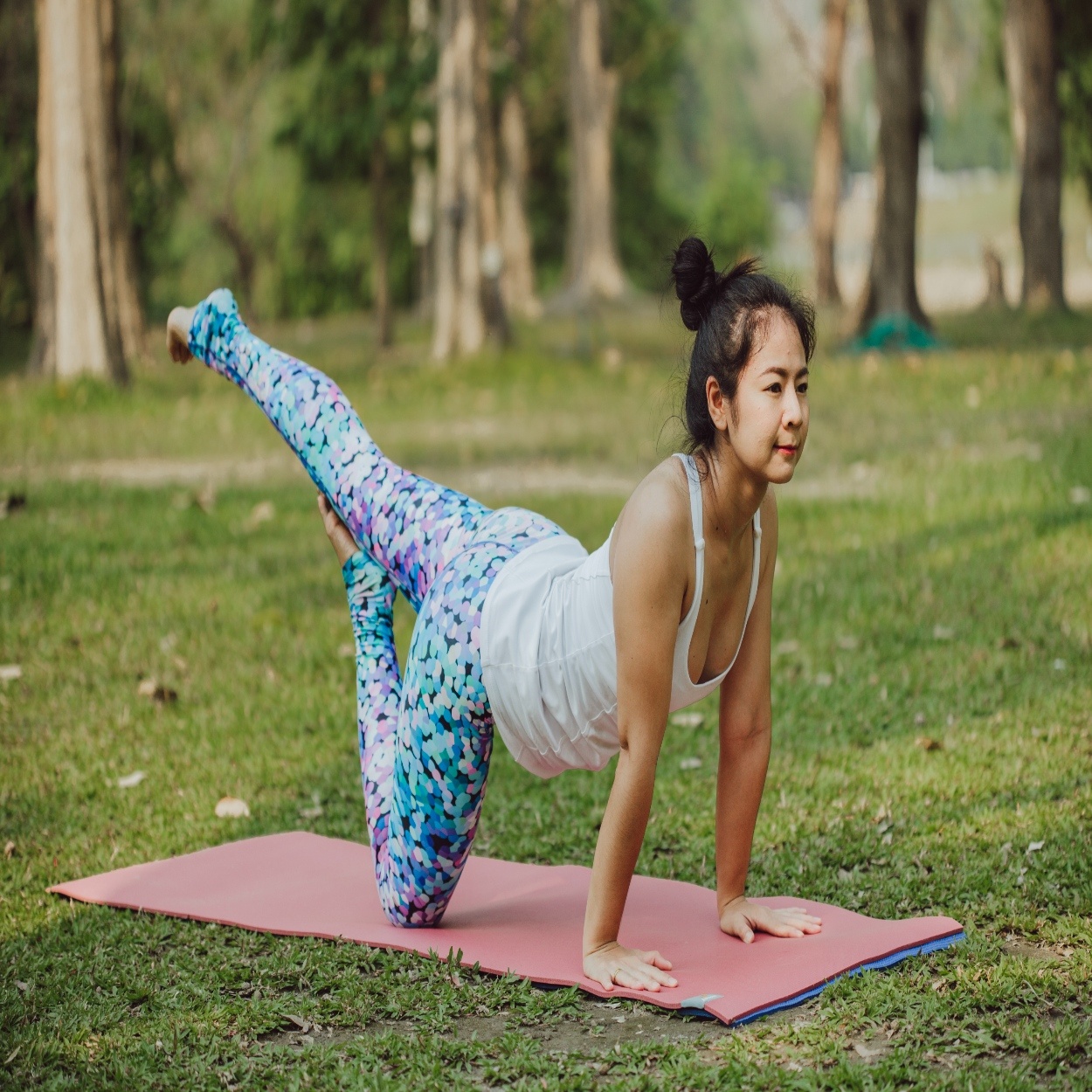
PCOS often affects the pelvic region through hormonal imbalance and reduced circulation. Yoga helps by gently opening and activating this area without strain.
Improved blood flow supports ovarian and reproductive health naturally. This is why pelvic-focused movement is important in yoga for PCOS routines.
When the pelvic region feels relaxed and supported, discomfort reduces and consistency improves. This allows yoga poses for PCOS to support long-term wellbeing.
Daily Habits That Support PCOS Balance
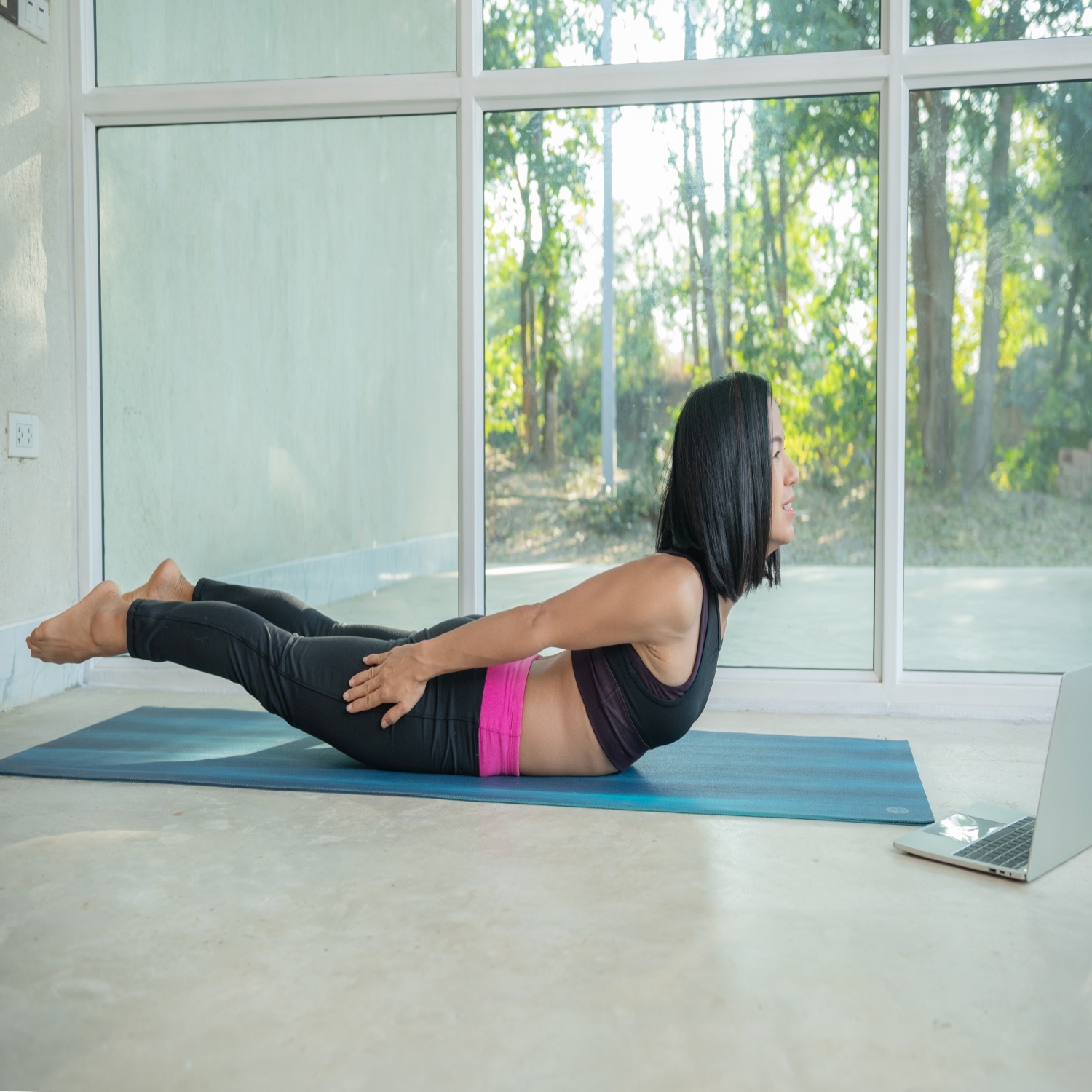
Yoga works best for PCOS when supported by gentle, consistent lifestyle habits. Irregular sleep, high stress, and skipped meals can worsen hormonal imbalance.
PCOS is closely linked to insulin resistance and cortisol levels. Yoga helps regulate stress, making daily routines easier to maintain and more effective for yoga for PCOS support.
Mindful eating, regular hydration, and steady movement help the body feel safe and balanced. This allows hormones to respond more steadily over time.
When lifestyle habits become calmer and more predictable, yoga asanas for PCOS tend to show better long-term results without forcing change.
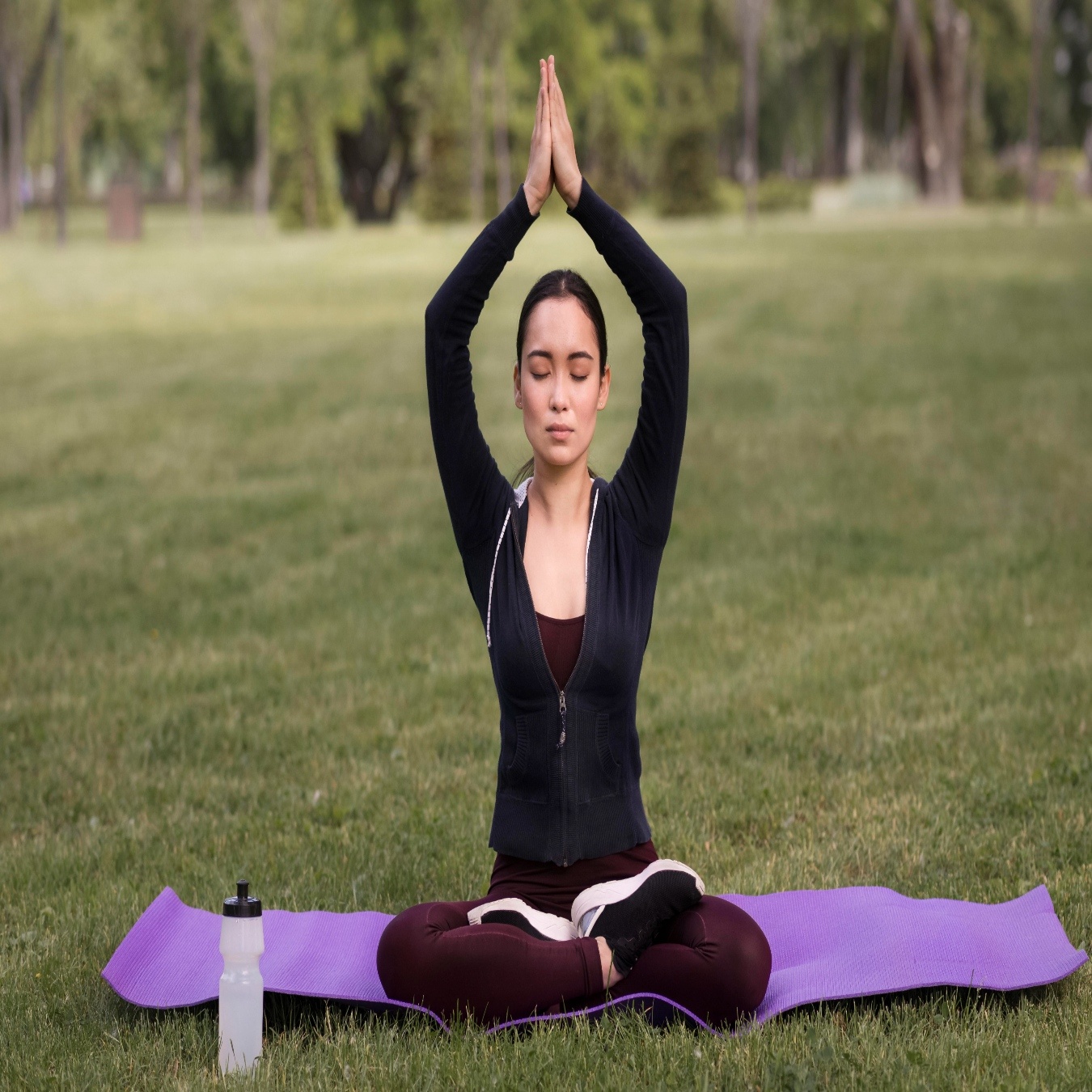
Yoga Support for PCOS with Yogain Wellness App
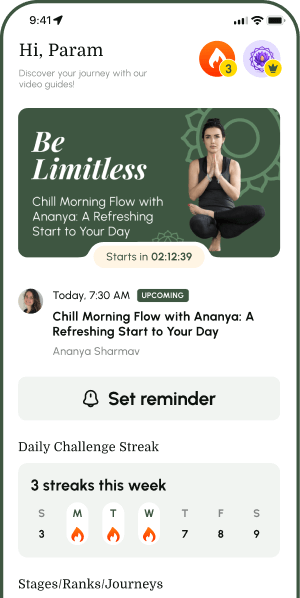
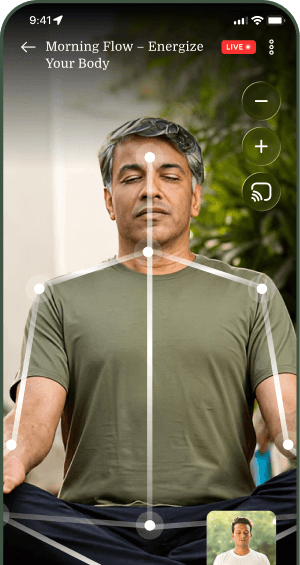
Managing PCOS alone can feel confusing, especially when symptoms fluctuate. Guided yoga helps remove guesswork and provides structure when motivation is low.
The Yogain Wellness app offers routines designed to support hormonal balance, stress reduction, and gentle movement. These sessions are suitable for women practicing yoga for PCOS at different energy levels.
Clear instructions and paced guidance help prevent overexertion, which is important for hormone health. This makes yoga poses for PCOS easier to follow safely.
With guided support, consistency becomes more achievable. Over time, this helps create a routine that supports balance rather than burnout.




Who May Benefit from Yoga for PCOS
Yoga for PCOS is suitable for women experiencing irregular cycles, weight fluctuations, fatigue, or stress related to hormonal imbalance. It offers support without intense physical strain.
It is especially helpful for those who find high-intensity workouts worsen symptoms. Gentle movement helps regulate stress, making best yoga for PCOD a more sustainable option.
Women focusing on metabolism and body balance may also benefit. Yoga for weight loss in PCOS works best when the body feels supported rather than pressured.
Anyone looking for a calm, body-aware approach to managing PCOS alongside medical care can benefit from this practice.



Safety Information
If you are dealing with severe pain, recent injuries, disc issues, or other medical concerns, it is important to speak with a healthcare professional before starting yoga. Movements should stay gentle and controlled, pain should not be pushed through.
This program is meant for learning and general support only. It does not replace medical treatment or professional care when that is required.
Frequently Asked Questions
1. Can yoga really help manage PCOS symptoms?
Yes, yoga can support PCOS management by reducing stress and supporting hormonal balance. Regular practice of yoga for PCOS helps calm the nervous system, which plays a key role in hormone regulation.
2. Is yoga helpful for weight management in PCOS?
Yes, gentle and consistent practice can support metabolism without overstressing the body. Yoga for weight loss in PCOS works best when combined with stress reduction and steady routines.
3. Which yoga poses are best for PCOS?
Poses that focus on relaxation, pelvic circulation, and gentle core engagement are often recommended. These are commonly included in yoga poses for PCOS routines designed for hormonal balance.
4. Can beginners with PCOS practice yoga safely?
Absolutely. Yoga is suitable for beginners and can be adapted to different energy levels. Starting slowly helps yoga for PCOS feel supportive rather than overwhelming.
5. How often should I practice yoga for PCOS?
Practicing three to five times a week is usually enough. Consistency matters more than intensity when following yoga asanas for PCOS routines.